
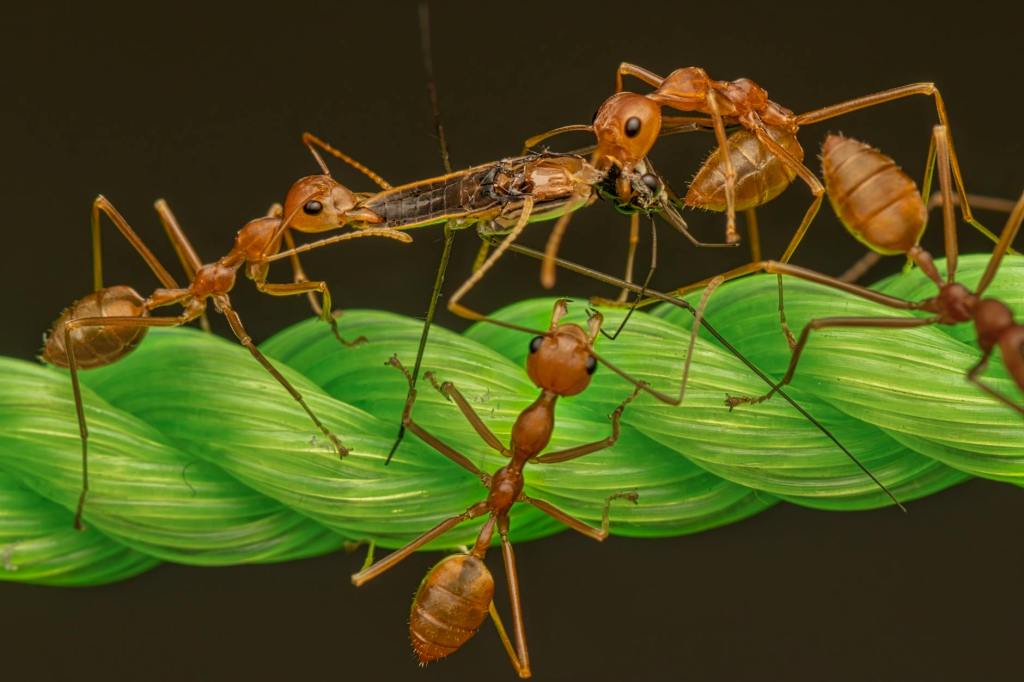
Are you finding yourself in the midst of an unexpected invasion of flying ants within the comfort of your home?
If so, fear not; you’re certainly not alone.
Discovering flying ants indoors is a common occurrence, particularly during warmer seasons.
In this comprehensive guide, we’ll delve into the fascinating world of flying ants, explore the reasons behind their incursions into your living space, discuss the potential problems they may cause, and equip you with a range of practical strategies to bid them farewell.
Understanding Flying Ants:

Flying ants, often confused with termites due to their similar appearance, are reproductive members of ant colonies.
Unlike worker ants, these winged insects emerge from their nests during specific times of the year, typically in warmer weather, to embark on their nuptial flights.
The purpose of these flights is for the winged ants, known as alates, to mate and establish new colonies.
Witnessing swarms of flying ants can be disconcerting, but it’s important to recognize that it’s a natural part of their life cycle.
Why Do They Enter Your House?
The presence of flying ants within your home may prompt you to wonder: why here? Several factors may contribute to their decision to invade your living space:
- Scouting for Nesting Sites: Flying ants are on a quest to find suitable locations to establish new colonies. Your home, with its shelter and potential food sources, might appear to be an attractive prospect to these industrious insects.
- Attracted by Light: Artificial light sources emanating from within your home can act as beacons for flying ants, particularly during their mating flights. Your well-lit living areas may inadvertently attract these winged visitors, as they mistake them for prime spots to initiate new colonies.
- Seeking Food Sources: If your home provides easy access to food crumbs or spills, flying ants won’t hesitate to pay a visit. They’re constantly on the lookout for sustenance to fuel their journey and sustain themselves.
The Problems They Cause:
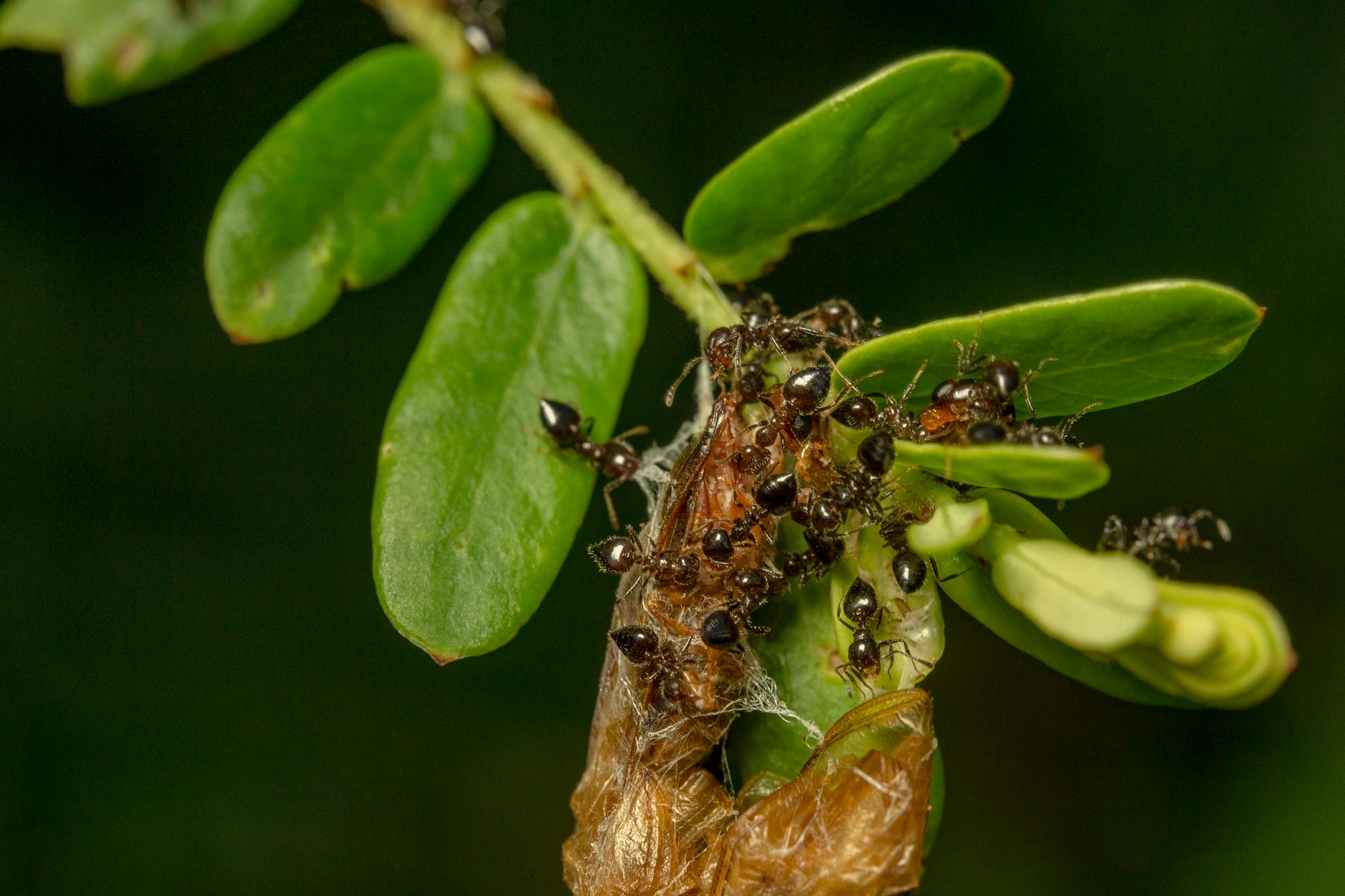
While flying ants may seem innocuous at first glance, their presence within your home can give rise to several issues:
- Nuisance: The sight of swarming flying ants can be unsettling and disruptive, causing distress to household members.
- Food Contamination: Ants are not renowned for their cleanliness, and their presence in your kitchen or pantry can lead to food contamination, posing potential health risks.
- Structural Damage: Although flying ants themselves may not cause structural damage to your home, if they establish new colonies indoors, it could lead to long-term problems. Certain species, such as carpenter ants, are capable of burrowing into wood, potentially compromising the integrity of wooden structures over time.
What Can You Do?
Now that we’ve explored why flying ants enter your home and the problems they may cause, let’s discuss proactive measures you can take to address the situation effectively:
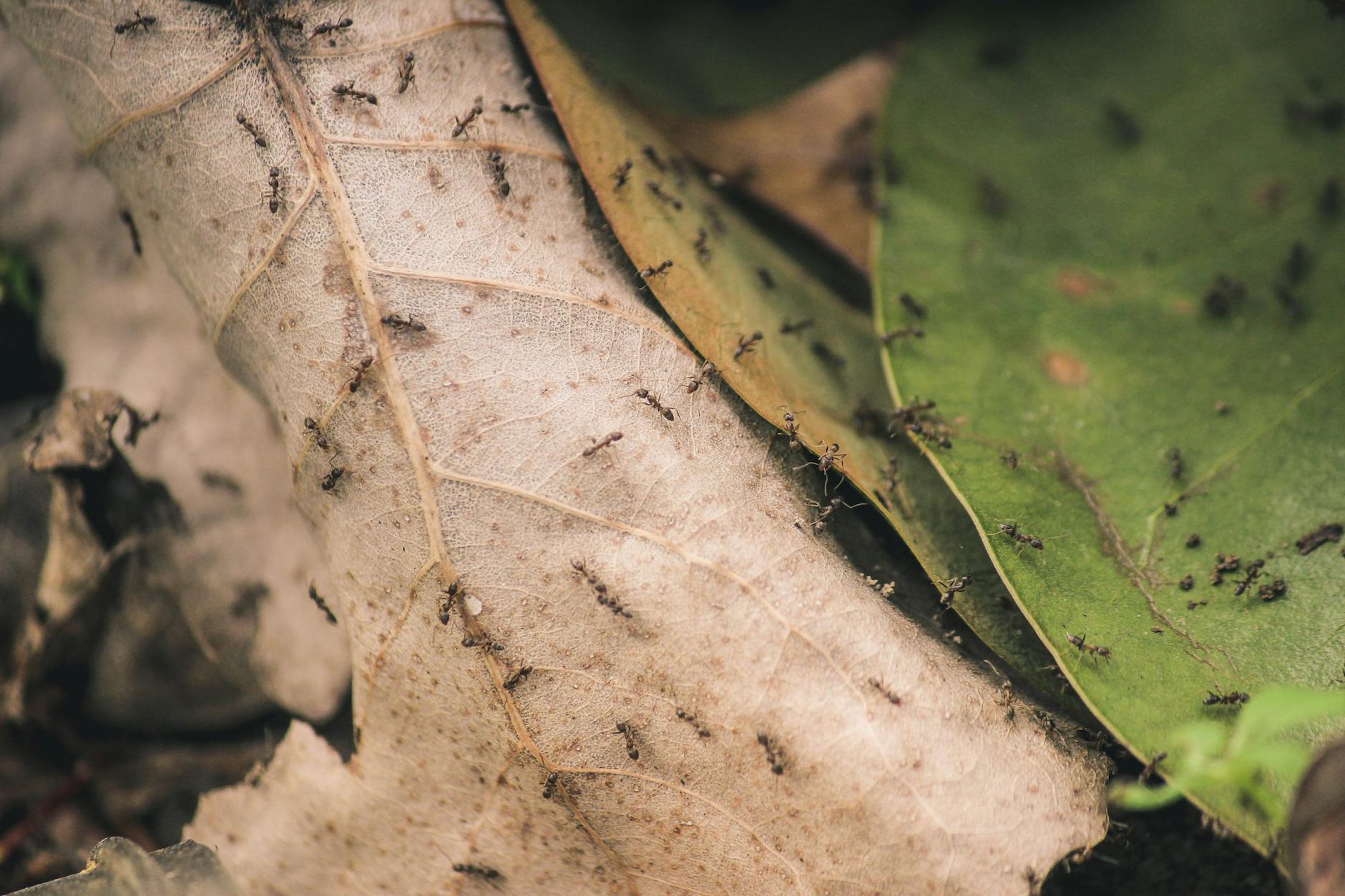
- Seal Entry Points: Conduct a thorough inspection of your home to identify any cracks, crevices, or gaps through which ants might be gaining entry. Seal these entry points using caulk, weatherstripping, or other appropriate sealants to prevent further intrusion.
- Maintain Cleanliness: Adopt a regimen of regular cleaning and tidying, particularly in areas prone to ant activity such as the kitchen. Sweep, mop, and wipe down surfaces to eliminate food crumbs, spills, and other potential attractants.
- Eliminate Food Sources: Store food items in airtight containers to prevent access by ants. Promptly clean up any spills or crumbs, and avoid leaving pet food out overnight, as it can also attract unwanted visitors.
- Reduce Moisture: Flying ants, like many pests, are attracted to moisture. Take steps to address any sources of excess moisture in your home, such as fixing leaky pipes, ensuring proper drainage, and using a dehumidifier if necessary.
- Natural Remedies: If you prefer to avoid chemical pesticides, there are several natural remedies you can try to deter flying ants. Diatomaceous earth, vinegar, and essential oils such as peppermint or lemon are all known to be effective deterrents.
- Seek Professional Assistance: If your efforts to control flying ants prove ineffective, don’t hesitate to seek assistance from pest control professionals. They can conduct a thorough assessment of the situation and provide targeted solutions to address the problem effectively.
In conclusion, while the presence of flying ants within your home may initially be disconcerting, it’s a challenge that can be managed with the right approach.
By understanding the reasons behind their incursions, recognizing the potential problems they may cause, and implementing proactive prevention and control measures, you can reclaim your living space and enjoy a pest-free environment once more.
So, arm yourself with knowledge, roll up your sleeves, and embark on the journey to bid those winged intruders a fond farewell!
 Green Garden Journal
Leave a comment