
Are you eager to make a positive impact on the environment while also enhancing the health of your garden?
Composting might just be the solution you’ve been searching for! Whether you’re a seasoned gardener or completely new to the world of composting, fear not!
But how do I start composting? Starting a compost pile is simpler than you might think.
In this comprehensive beginner’s guide, we’ll walk you through the straightforward steps to embark on your composting journey.
What is Composting?
Composting is essentially nature’s way of recycling organic materials into invaluable soil nutrients.
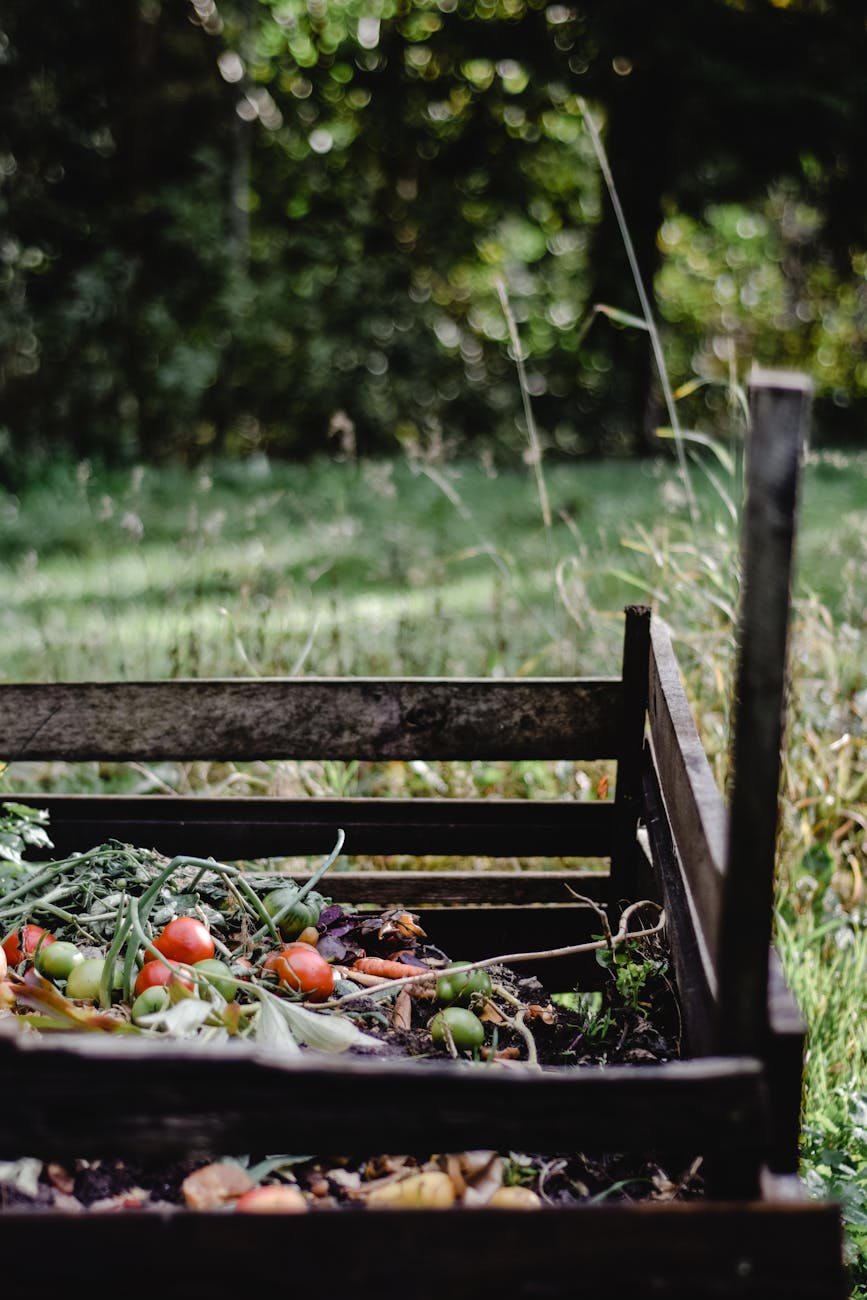
By breaking down kitchen scraps, yard waste, and other biodegradable materials, composting creates a nutrient-rich fertilizer that can substantially enrich soil, foster plant growth, and minimize the necessity for chemical fertilizers.
Step 1: Choose a Composting Method
Before delving into composting, it’s crucial to determine which method aligns best with your preferences and available resources. Here are several options to consider:
- Backyard Compost Bin: This is the most traditional method, where you simply create a pile of organic waste in a designated area of your yard.
- Tumbling Composter: Opt for a rotating bin that simplifies turning your compost and accelerates the decomposition process.
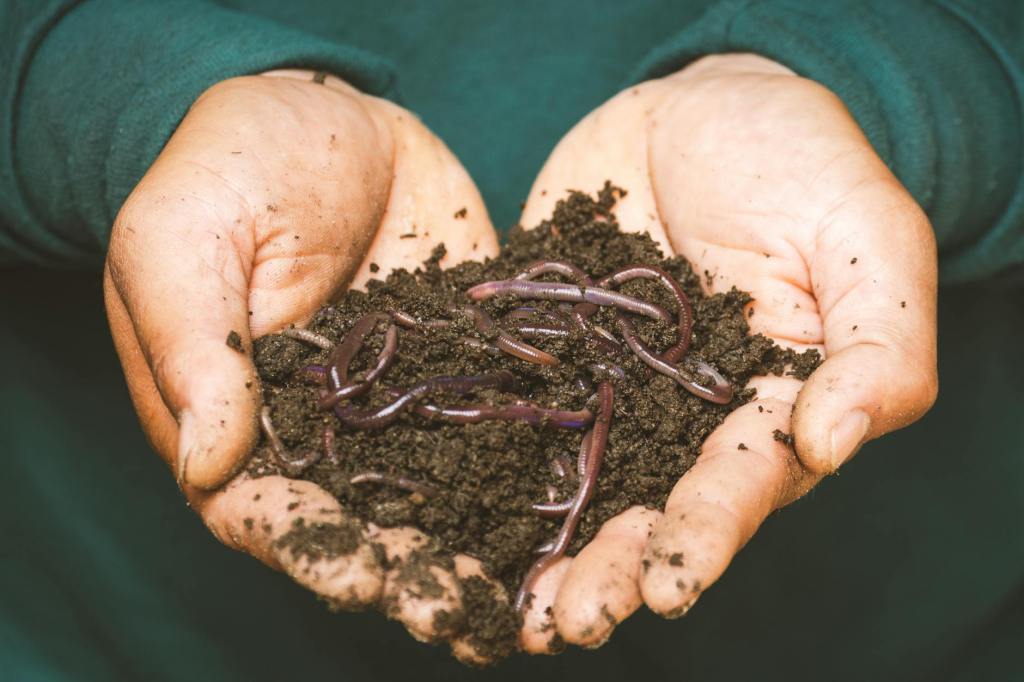
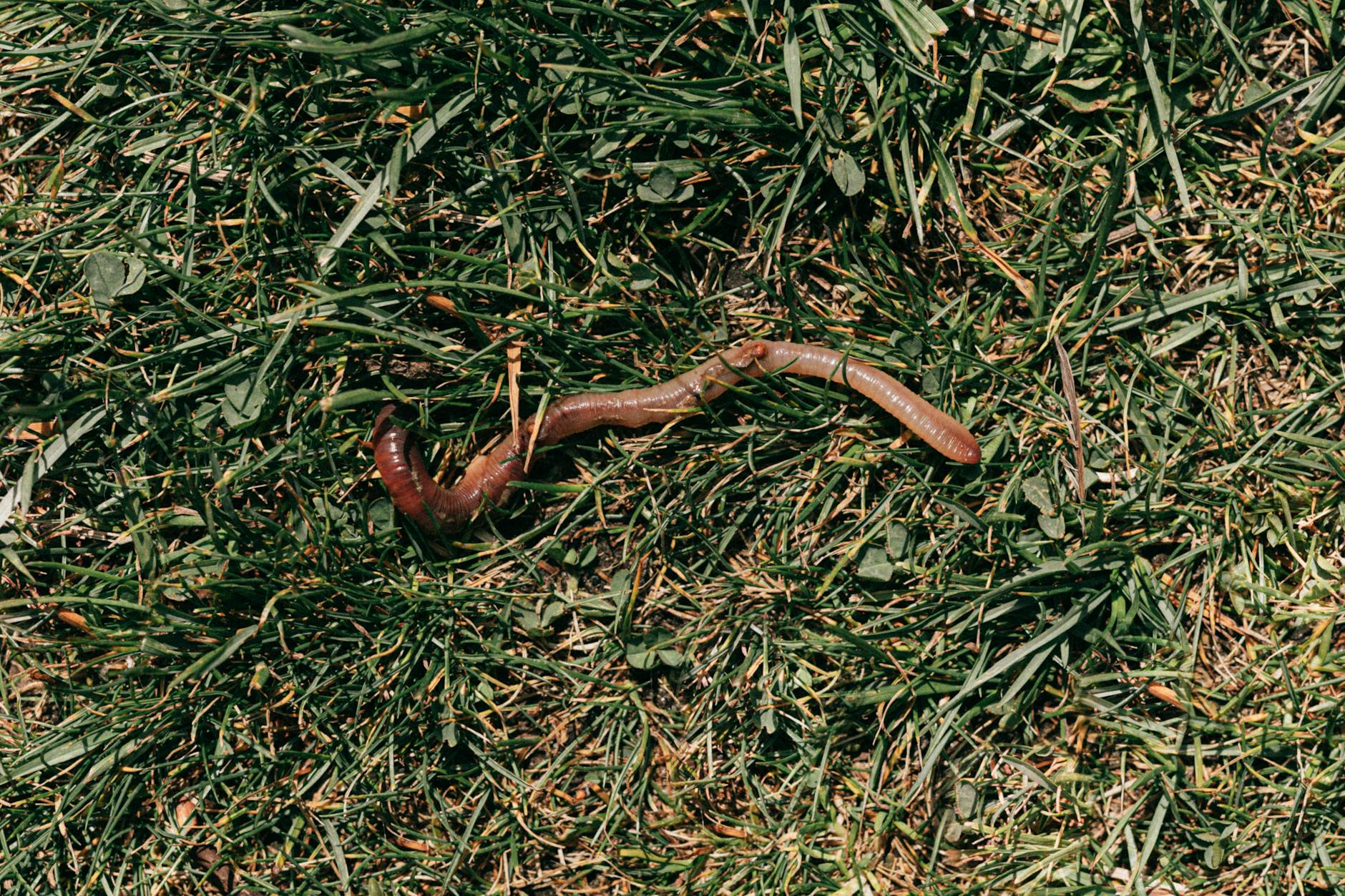
- Worm Bin (Vermicomposting): Utilize worms to break down food scraps either indoors or in a compact outdoor bin.
Select the method that suits your space, lifestyle, and gardening aspirations.
Step 2: Gather Your Materials
To commence composting, assemble a blend of “green” and “brown” materials:
- Green Materials: This category encompasses fruit and vegetable scraps, coffee grounds, grass clippings, and other nitrogen-rich components.
- Brown Materials: Dry leaves, straw, shredded paper, and cardboard are all examples of carbon-rich materials essential for the composting process.
Strive for a roughly equal mix of green and brown materials to maintain a harmonious balance in your compost pile.
Step 3: Build Your Compost Pile
Now that you’ve acquired your materials, it’s time to construct your compost pile. Here’s a simple guide:
- Choose a Location: Identify a convenient spot in your yard that’s easily accessible yet shielded from direct sunlight. Adequate drainage is essential to prevent your compost from becoming waterlogged.
- Layer Materials: Commence by laying down a foundation of brown materials, followed by a layer of green materials. Continue alternating layers until your pile reaches a height of approximately three feet.
- Water and Turn: Moisture plays a pivotal role in the composting process, so ensure your pile remains consistently damp but not overly saturated. Additionally, periodically turning your compost helps aerate the pile and expedite decomposition.
Step 4: Maintain Your Compost Pile
Once your compost pile is established, maintenance becomes relatively straightforward. Here are a few maintenance tips:
- Regular Material Addition: Continuously incorporate green and brown materials into your compost pile as they become available. This sustains the decomposition process and ensures a steady supply of finished compost.
- Monitor Moisture and Temperature: Regularly assess your compost pile to ascertain it maintains optimal moisture and warmth levels. If it’s excessively dry, add water; if overly wet, introduce more brown materials to absorb excess moisture.
- Patience is Key: Composting is a gradual process, so exercise patience and allow your pile ample time to work its magic. Depending on various factors such as temperature and moisture levels, you can anticipate obtaining finished compost within several months to a year.
Step 5: Harvest Your Compost
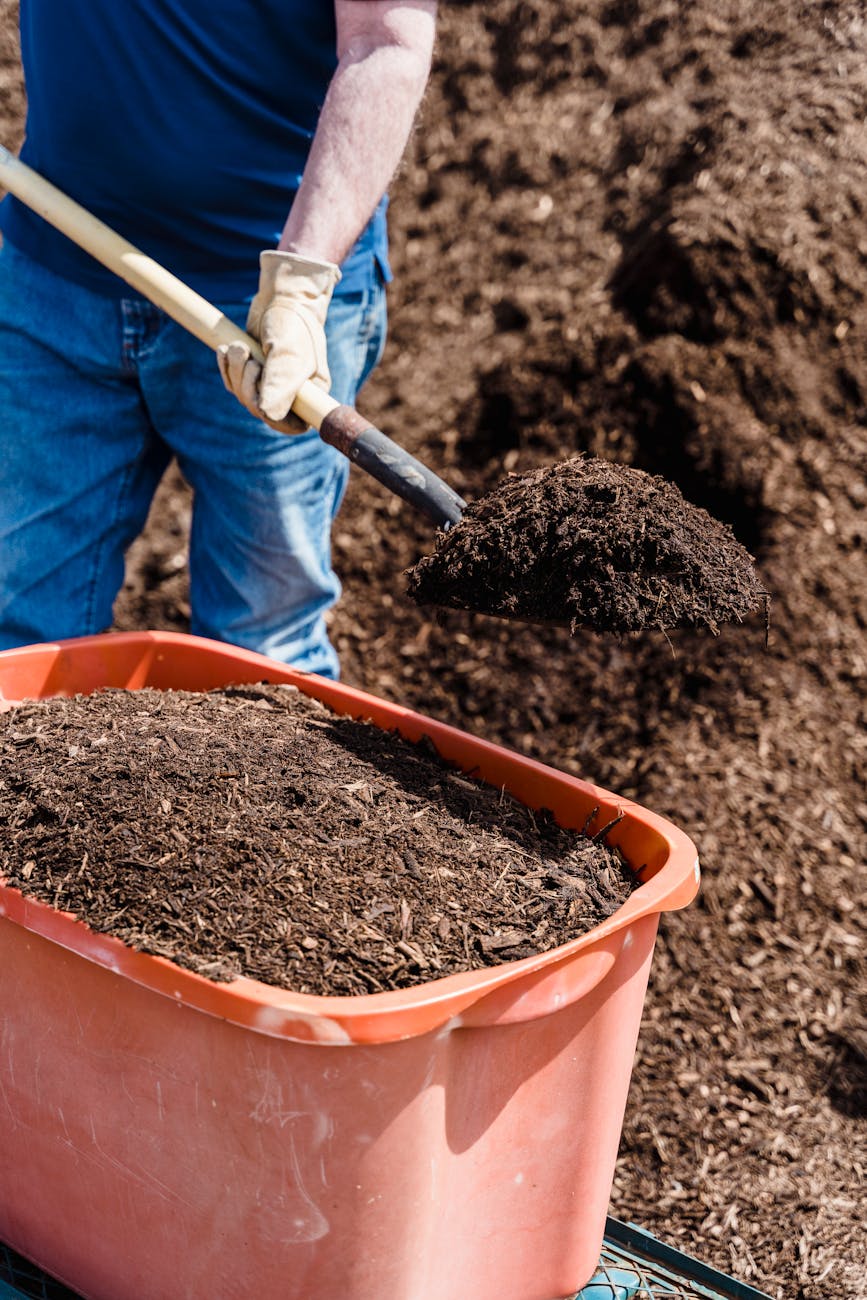
Once your compost has undergone complete decomposition, transforming into dark, crumbly soil, it’s primed for utilization in your garden.
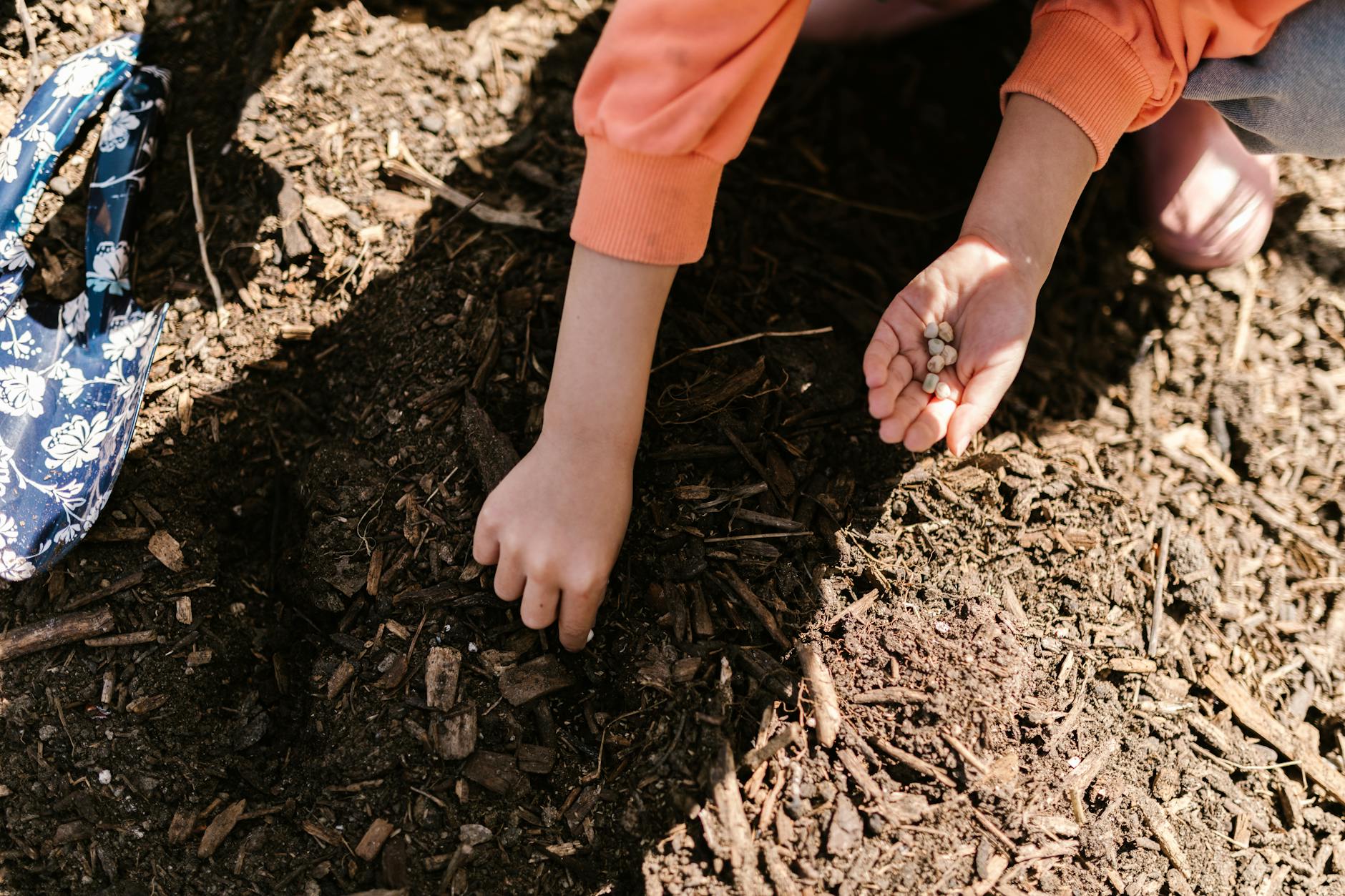
Simply scoop it out of the bin or pile and distribute it around your plants as a natural fertilizer. Your plants will undoubtedly thrive with this nutrient-rich boost!
Conclusion
Embarking on a composting journey is not only gratifying but also environmentally responsible.
By diverting organic waste from landfills and transforming it into invaluable soil nutrients, you’re contributing to a healthier planet and a more vibrant garden ecosystem.
With just a modest investment of time and effort, you can convert your kitchen scraps into soil gold, enriching your garden and reducing your ecological footprint simultaneously.
So why delay any longer? Start composting today and relish the benefits for years to come!
 Green Garden Journal
Leave a comment