

Have you ever wondered when is the best time to plant runner beans?
Whether you’re a seasoned gardener or just starting out, understanding the ideal planting window can make all the difference in the success of your bean harvest.
In this guide, we’ll delve into the ins and outs of planting runner beans, so you can cultivate a bountiful crop in your own backyard.
Runner beans, known scientifically as Phaseolus coccineus, are a popular choice for home gardeners due to their delicious taste and nutritional value.
Packed with vitamins, minerals, and fiber, these legumes are not only tasty but also a healthy addition to any diet. But to enjoy a plentiful harvest of runner beans, timing is key.
So, when should you plant your runner beans?
The answer depends on various factors including your local climate, soil conditions, and frost dates.
Generally, runner beans thrive in warm weather, so it’s essential to wait until all danger of frost has passed before planting them outdoors.
For most regions, this means waiting until late spring or early summer to ensure the soil is sufficiently warm for optimal germination and growth.
If you’re eager to get a head start on the growing season, you can start your runner beans indoors several weeks before the last frost date.
Simply plant the seeds in biodegradable pots filled with nutrient-rich potting soil and place them in a sunny windowsill or under a grow light.
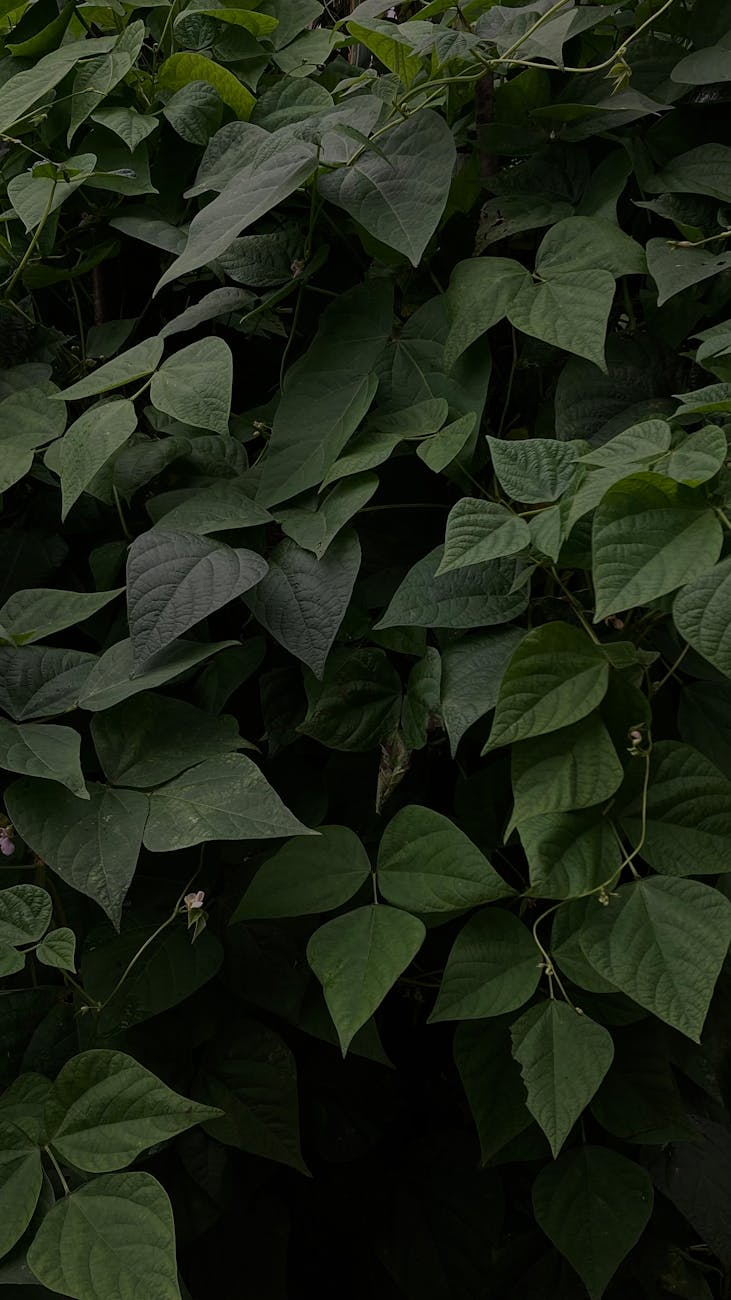
Once the seedlings have developed a few sets of true leaves and the weather has warmed up, you can transplant them outdoors into your garden or containers.
When choosing a location for your runner beans, opt for a spot that receives full sun and has well-draining soil.
These legumes thrive in warm, sunny conditions and require adequate moisture to produce a healthy crop.
Additionally, consider providing support for your runner beans to climb, such as trellises, stakes, or bean poles.
This not only helps maximize space in your garden but also promotes better air circulation and reduces the risk of disease.
As your runner beans grow, be sure to keep the soil consistently moist but not waterlogged.
Water deeply at the base of the plants, rather than overhead, to prevent foliage diseases and encourage strong root development.
Mulching around the base of the plants can also help conserve moisture and suppress weeds, giving your runner beans the best possible chance to thrive.
In terms of timing, it’s important to keep in mind that runner beans have a relatively long growing season, typically taking around 60 to 90 days from planting to harvest.
However, this can vary depending on the specific variety you’re growing and environmental conditions.
Keep an eye on your plants as they grow and be prepared to provide additional support or protection if needed.
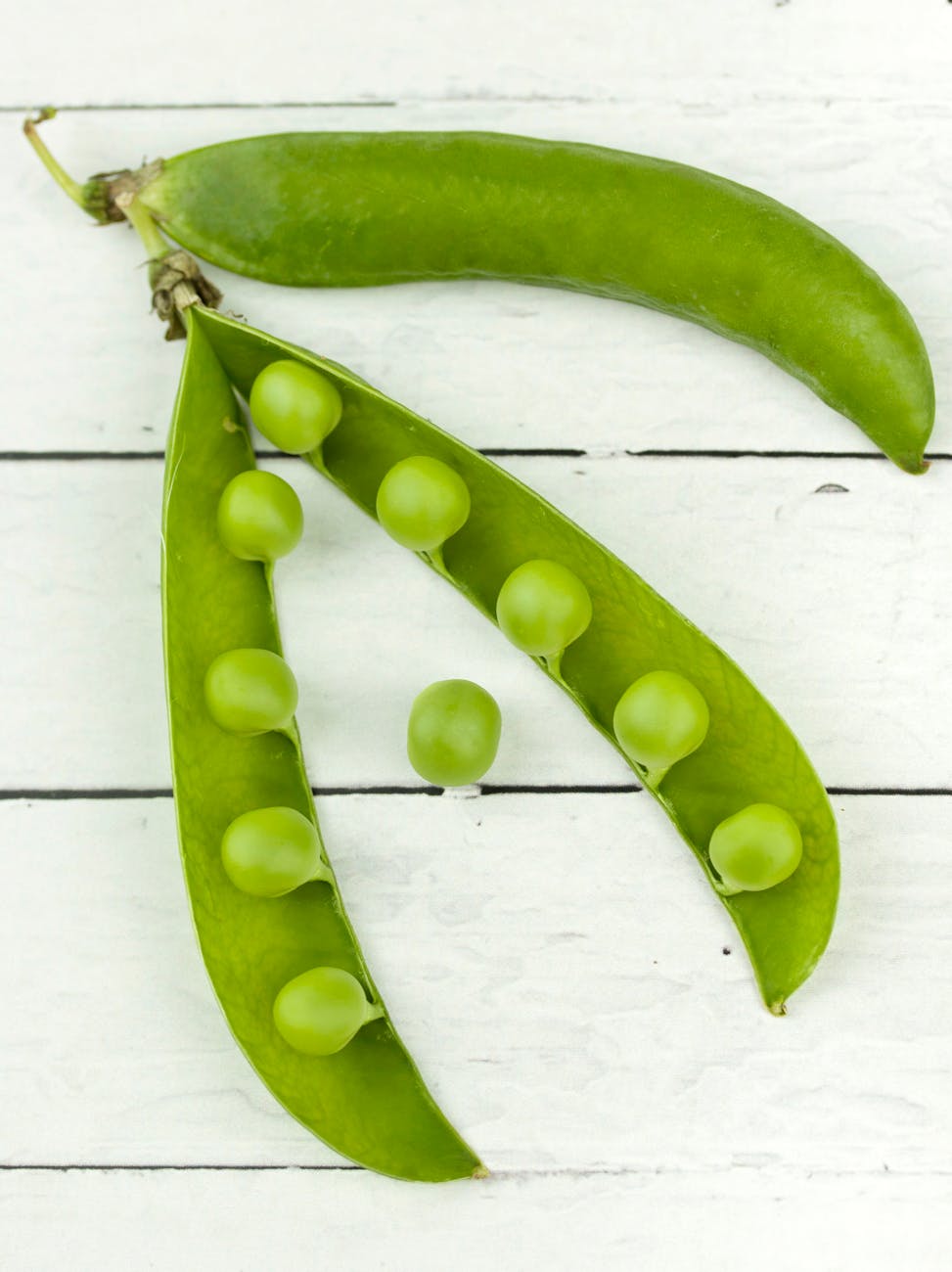
When it comes time to harvest your runner beans, look for pods that are firm, plump, and bright green in colour.
Avoid harvesting beans that are overly mature or beginning to bulge, as they may be tough and stringy.
Instead, pick beans regularly to encourage continued production throughout the season.
In conclusion, the best time to plant runner beans is after all danger of frost has passed and the soil has warmed up in late spring or early summer.
By following these simple guidelines and providing your runner beans with the care they need, you can look forward to a bountiful harvest of delicious, homegrown beans to enjoy all season long.
So roll up your sleeves, get your hands dirty, and start planting your runner beans today!
 Green Garden Journal
Leave a comment