
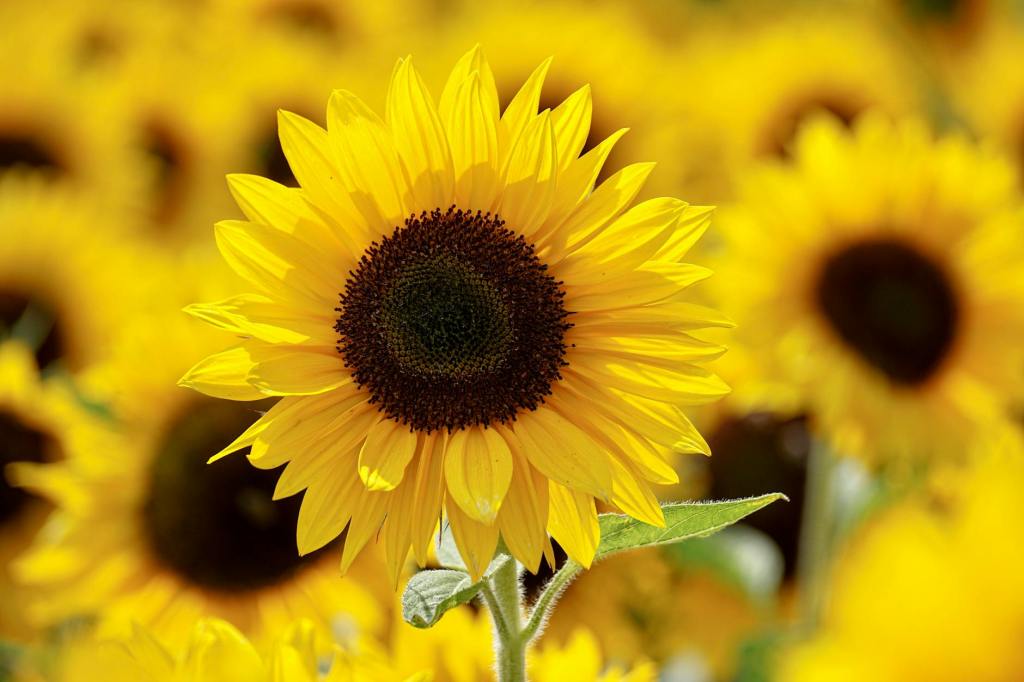
Have you ever gazed upon a field of Sunflowers on a warm summers day and wondered what it may take to replicate in your garden? Sunflowers have a way of brightening up any landscape with their cheerful blooms. But have you ever wondered when to grow sunflower seeds? In this simple guide, we’ll explore the ins and outs of planting sunflower seeds so you can grow your own sunny garden.
Understanding Sunflowers
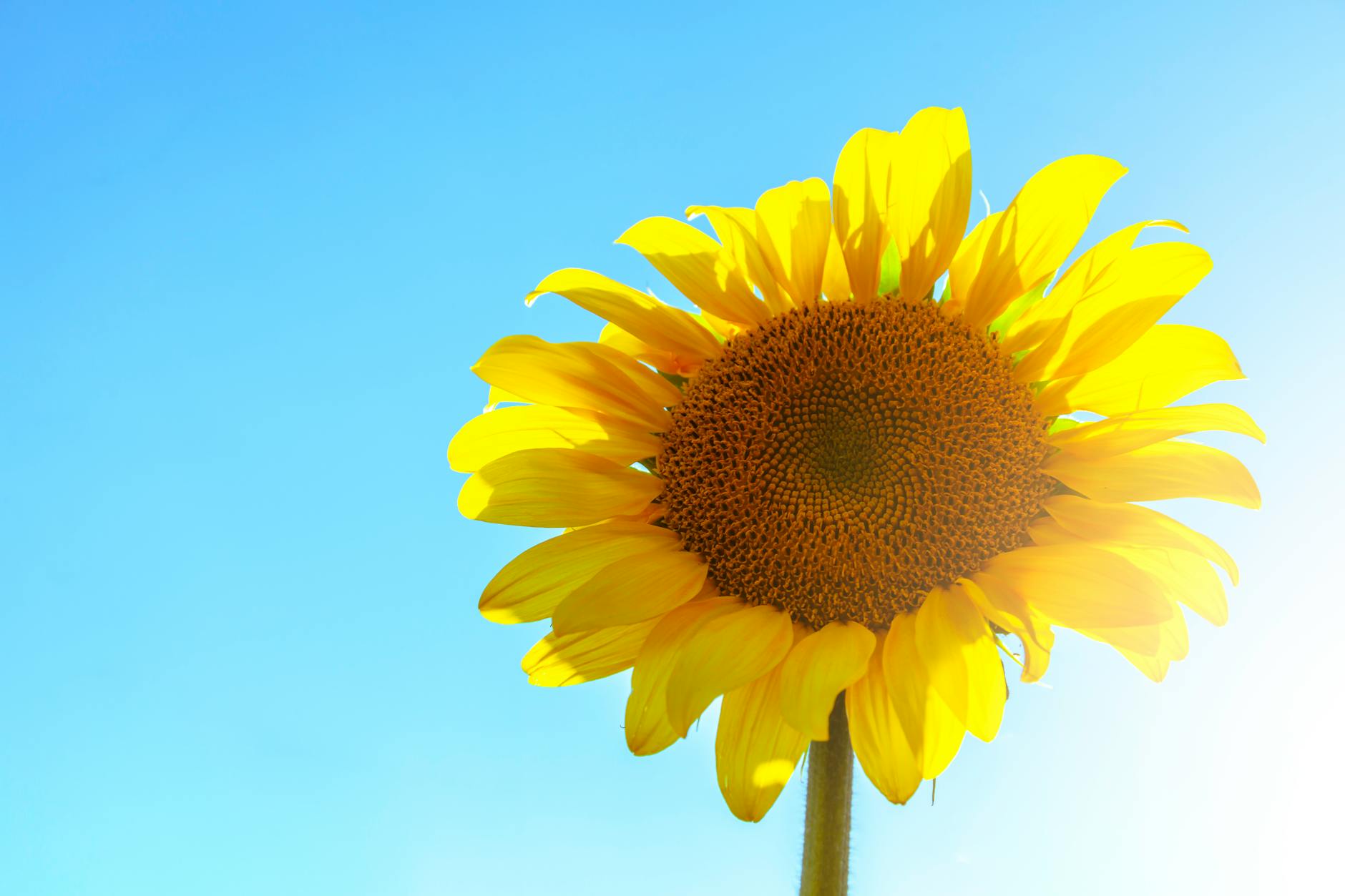
Before we dive into the timing of planting sunflower seeds, let’s take a moment to understand these iconic flowers. Sunflowers (scientifically known as Helianthus annuus) are native to North America and are famous for their large, daisy-like flowers and tall, sturdy stems. They’re not just pretty to look at; sunflowers also have practical uses, such as producing edible seeds and providing food for birds and bees.
Choosing the Right Time
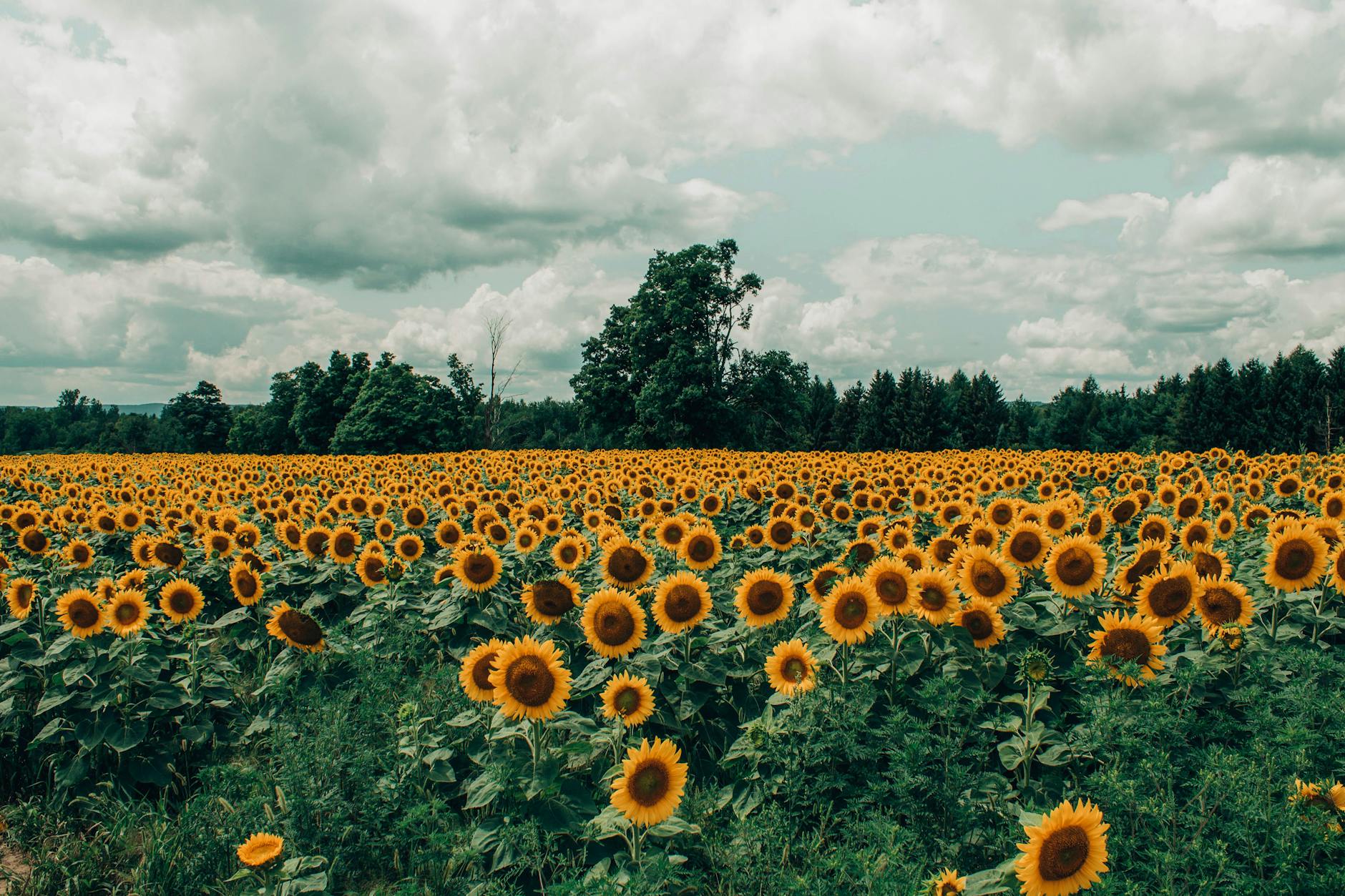
Timing is crucial when it comes to planting sunflower seeds. These plants thrive in warm weather and need plenty of sunlight to grow. Generally, the best time to plant sunflower seeds is in the spring, after the last frost has passed. This ensures that the soil is warm enough for the seeds to germinate and the risk of frost damaging young plants is minimal.
In most regions, this means planting sunflower seeds in late April or early May. However, if you live in a warmer climate where frost is less of a concern, you can plant sunflowers as early as March. On the other hand, if you’re in a cooler climate, you may need to wait until late May or even early June to plant your sunflower seeds.
Preparing the Soil
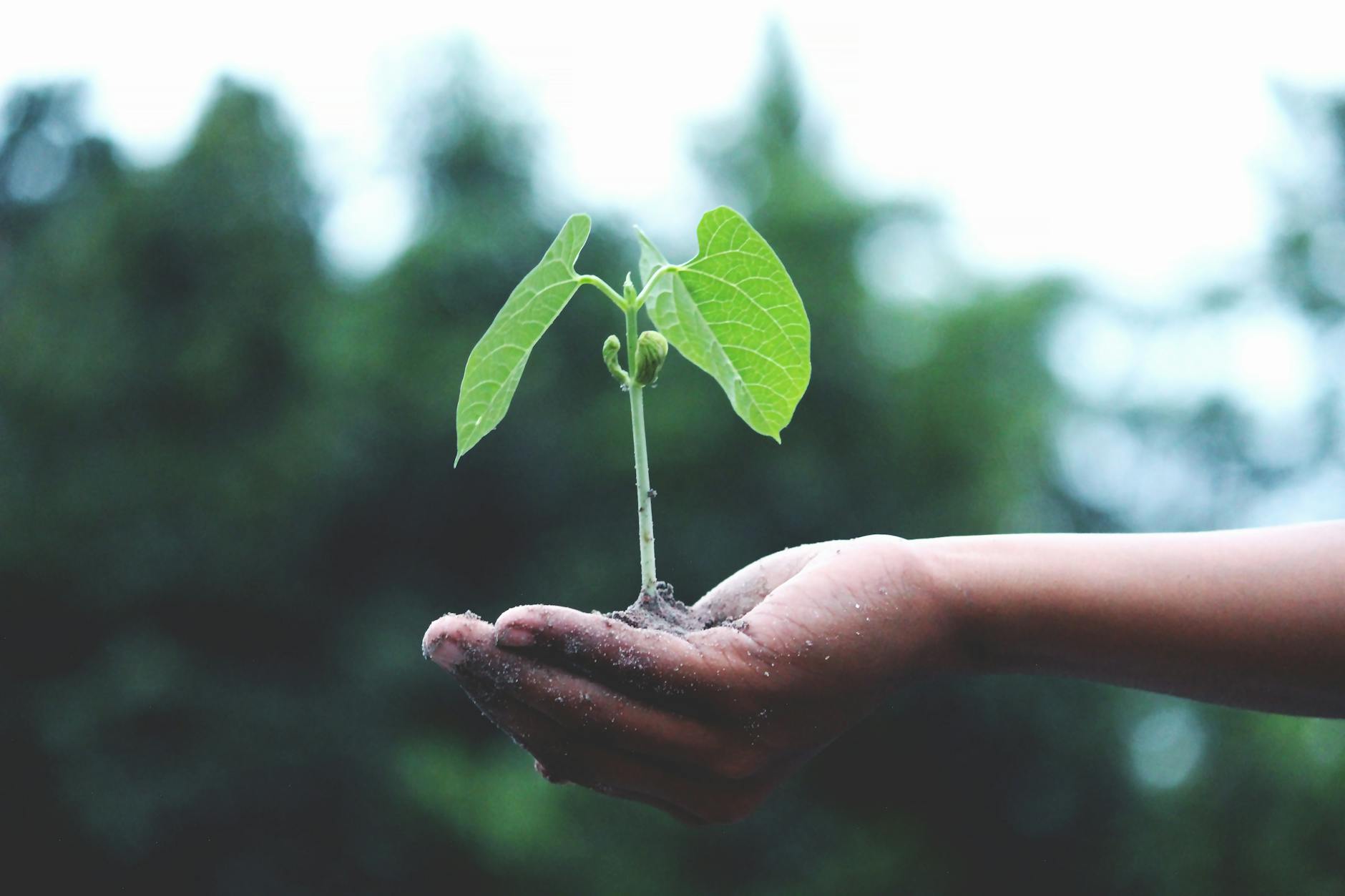
Once you’ve chosen the right time to plant your sunflower seeds, it’s essential to prepare the soil properly. Sunflowers prefer well-drained soil with a pH level between 6.0 and 7.5. Before planting, loosen the soil to a depth of at least 6 inches and remove any weeds or debris. You can also add compost or organic matter to enrich the soil and provide nutrients for your sunflowers.
Planting Sunflower Seeds
Now that your soil is prepped and ready, it’s time to plant your sunflower seeds! Sunflowers are relatively easy to grow from seed and can be planted directly in the ground or started indoors in pots. If you’re planting directly in the ground, sow the seeds about 1 inch deep and 6 inches apart. If you’re starting indoors, plant the seeds in biodegradable pots and transplant them outside once the seedlings are about 2 to 3 inches tall.

Caring for Sunflowers
Once your sunflower seeds are planted, it’s essential to provide them with proper care to ensure healthy growth. Sunflowers need regular watering, especially during dry spells, but be careful not to overwater as this can cause root rot. Additionally, you may need to protect young sunflower seedlings from pests such as birds or slugs by covering them with netting or using organic pest control methods.
As your sunflowers grow, you may also need to provide support for the tall stems to prevent them from bending or breaking in strong winds. You can use stakes or a trellis for support, being careful not to damage the roots.
Harvesting Sunflower Seeds
After all your hard work, the time will come to harvest your sunflower seeds. You’ll know it’s time to harvest when the back of the sunflower heads turn brown and the petals start to wilt and fall off. Cut the sunflower heads from the stems and hang them upside down in a dry, well-ventilated area to dry out completely.
Once the sunflower heads are dry, you can remove the seeds by rubbing them gently with your fingers or a fork. Store the seeds in an airtight container in a cool, dark place until you’re ready to enjoy them as a snack or plant them again next year.
In Conclusion
Growing sunflowers from seeds can be a rewarding and enjoyable experience. By planting at the right time, preparing the soil, and providing proper care, you can enjoy beautiful sunflowers in your garden all summer long. So why wait? Grab your gardening gloves and get ready to grow your own sunny space!
 Green Garden Journal
Leave a comment