As the seasons shift and spring arrives, there’s something magical about watching your garden come to life. Among the greenery, rhubarb stands tall, promising goodness to come. But before you can enjoy its sweet flavour, there’s a crucial step: knowing when to pick it. Welcome to our guide on the art of rhubarb harvesting. Join us as we explore the ins and outs of this beloved springtime ritual, starting with the age-old question: when is the perfect time to pick rhubarb? Let’s dig in!
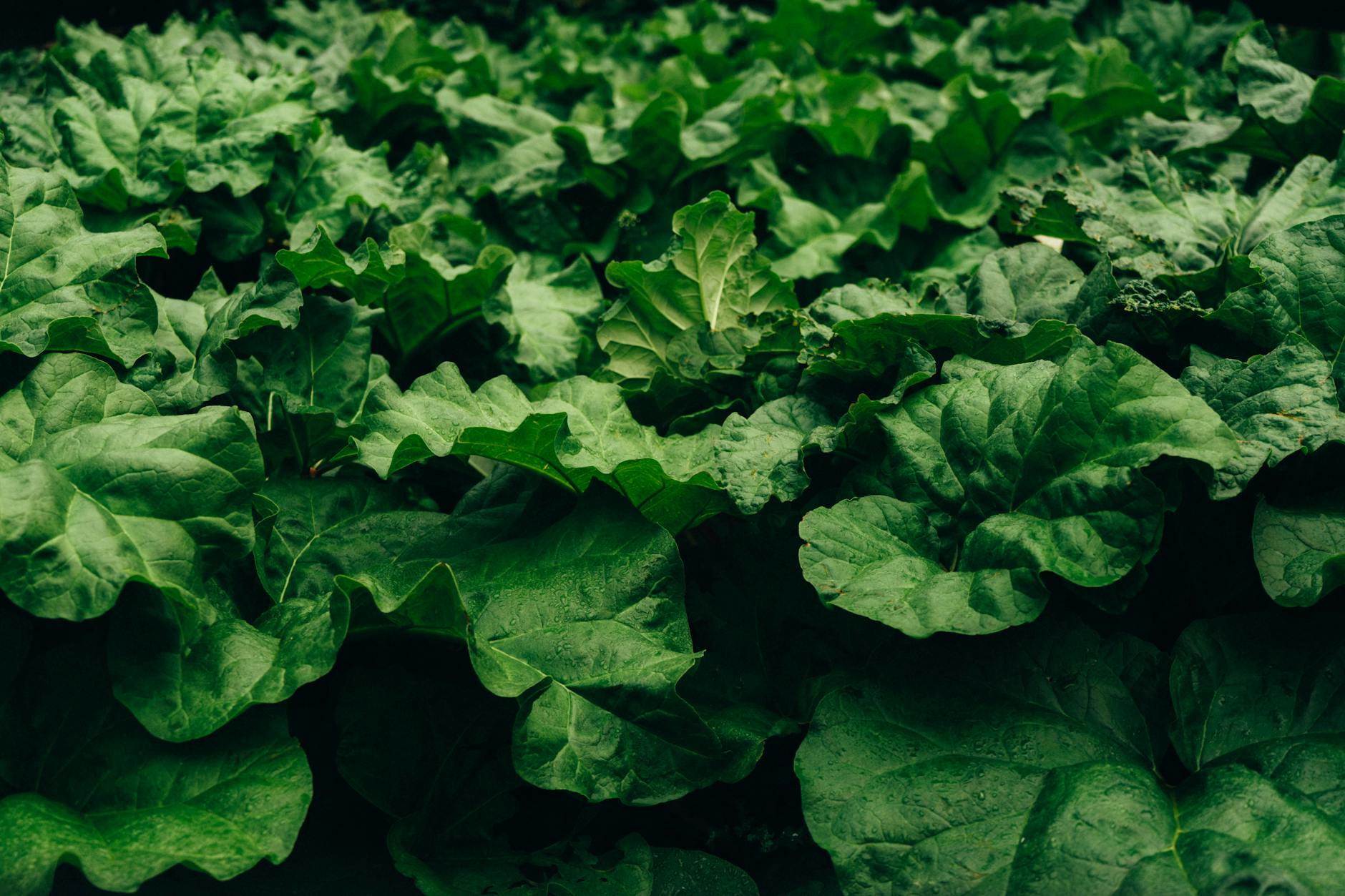
Timing is everything when it comes to harvesting rhubarb. As a cold-hardy perennial, rhubarb emerges from its winter slumber early in the spring, ready to grace us with its tart goodness. The ideal window for picking rhubarb typically spans from late spring to early summer, depending on your local climate. Keep a close eye on your plant as the weather warms up, and when those stalks start to grow thick and hearty, you’ll know it’s time to harvest.
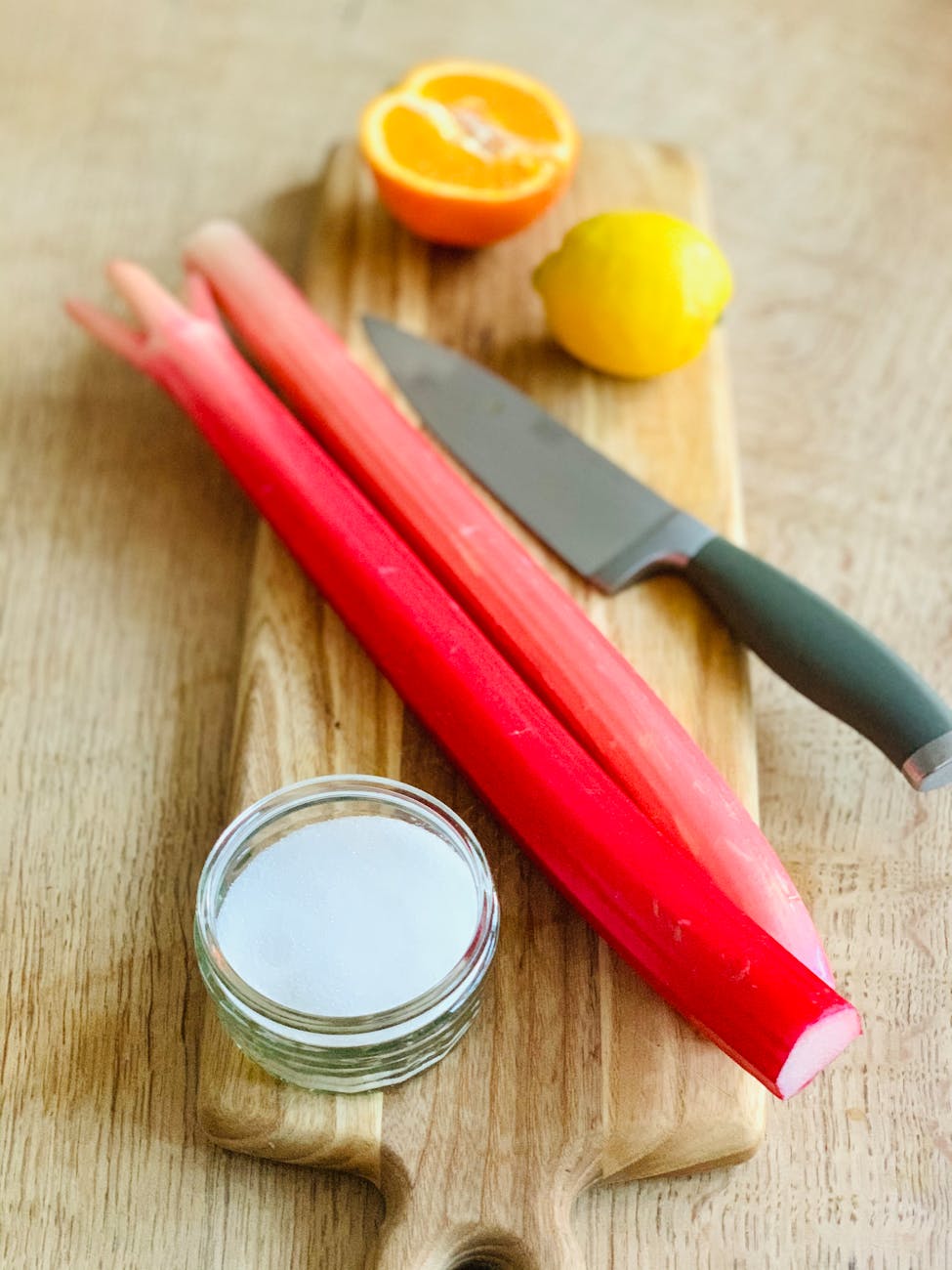
Now, let’s talk about what you’re looking for when you’re eyeing those stalks. Size does matter, but it’s not the only factor to consider. Aim for rhubarb stalks that are about 10-15 inches long and are firm to the touch. While larger stalks may seem tempting, they can sometimes be tough and fibrous, so opt for medium-sized stalks that are plump and juicy.
But how do you know if your rhubarb is ready to be plucked from the earth? It’s all in the tug test. When you gently grasp a stalk near the base and give it a slight tug, it should break away cleanly from the plant. Avoid twisting or yanking the stalk, as this can damage the plant and hinder future growth. Remember, harvesting rhubarb is a delicate dance between patience and precision.
Once you’ve harvested your rhubarb, the real fun begins – culinary experimentation! Rhubarb is a versatile ingredient that can be used in a myriad of dishes, both sweet and savoury. From classic rhubarb pie to tangy rhubarb barbecue sauce, there’s no shortage of ways to enjoy this springtime delight. Just be sure to remove the leaves before using rhubarb in your recipes, as they contain high levels of oxalic acid, which can be harmful if ingested in large quantities.
If you find yourself with an abundance of rhubarb, fear not – you can easily preserve it for later use. Rhubarb freezes exceptionally well and can be stored in the freezer for up to six months. Simply wash and chop the rhubarb into pieces, then spread them out on a baking sheet and freeze until solid. Once frozen, transfer the rhubarb to a freezer-safe container or bag for long-term storage. That way, you can enjoy the taste of spring all year round.
In conclusion, harvesting rhubarb is a delightful endeavour that rewards patience, precision, and a love for all things seasonal. Keep an eye on your plant as the weather warms up, and when those stalks are firm and plump, it’s time to harvest. With a little know-how and a lot of culinary creativity, you’ll be savouring the tangy goodness of fresh rhubarb for months to come. Happy harvesting, and bon appétit!
 Green Garden Journal
Leave a comment