
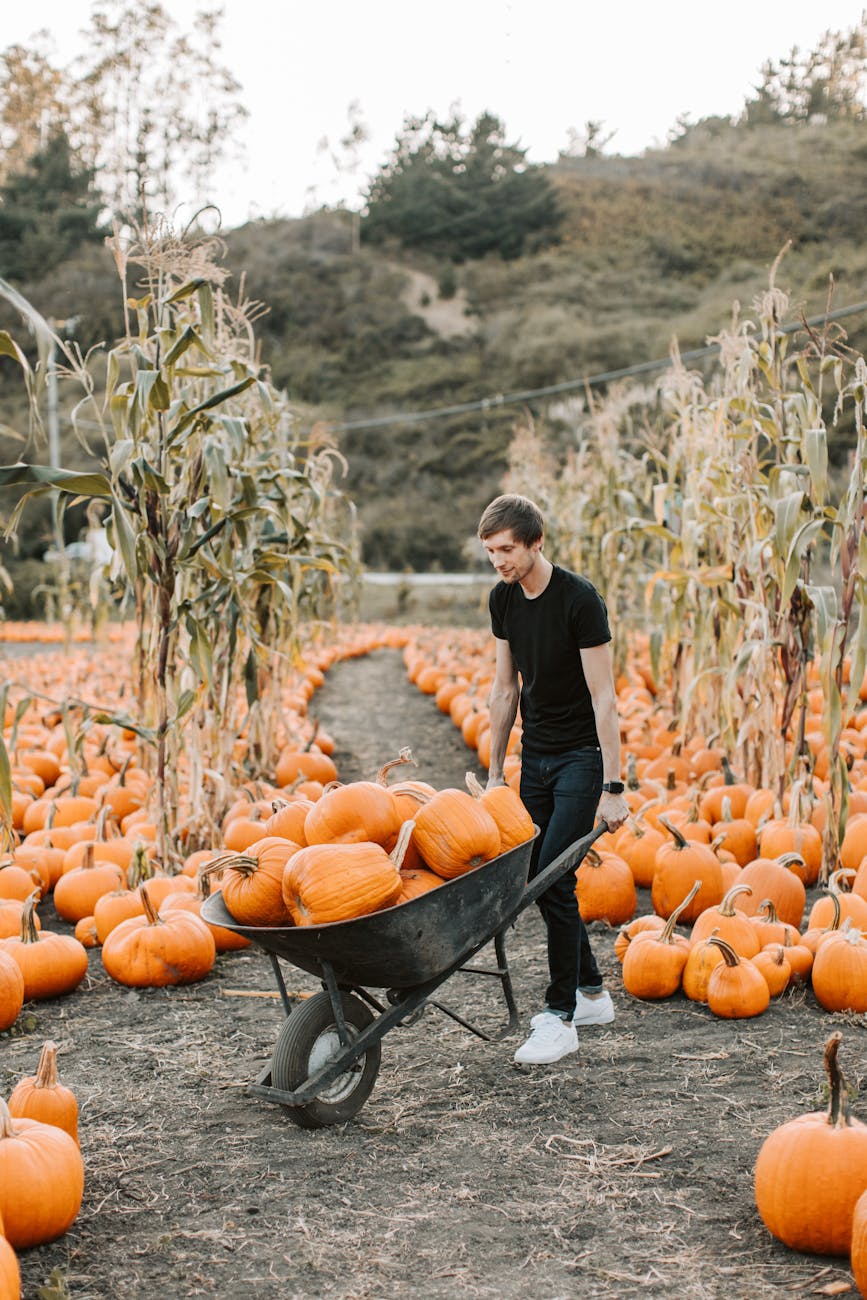
Are you dreaming of plump, orange pumpkins adorning your porch or gracing your plate this autumn? If so, you’re not alone! Pumpkins are a beloved symbol of autumn, bringing to mind cozy evenings, crisp air, and Halloween festivities. But if you’re new to gardening, you might be wondering, “When should I plant pumpkins?” In this guide, we’ll break down everything you need to know in simple terms, so you can successfully grow your own pumpkins and enjoy a bountiful harvest.
First things first, let’s talk timing. The ideal time to plant pumpkins depends on your location and the variety of pumpkin you’re growing. Generally, pumpkins thrive in warm weather, so you’ll want to wait until after the danger of frost has passed before planting them outdoors. In most regions, this means waiting until late spring or early summer.
If you’re starting your pumpkins from seeds, you can begin indoors a few weeks before your last expected frost date. Plant the seeds in biodegradable pots filled with rich, well-draining soil. Keep the pots in a warm, sunny spot and water them regularly. Once the seedlings have developed a few sets of true leaves and the weather has warmed up, you can transplant them outdoors.
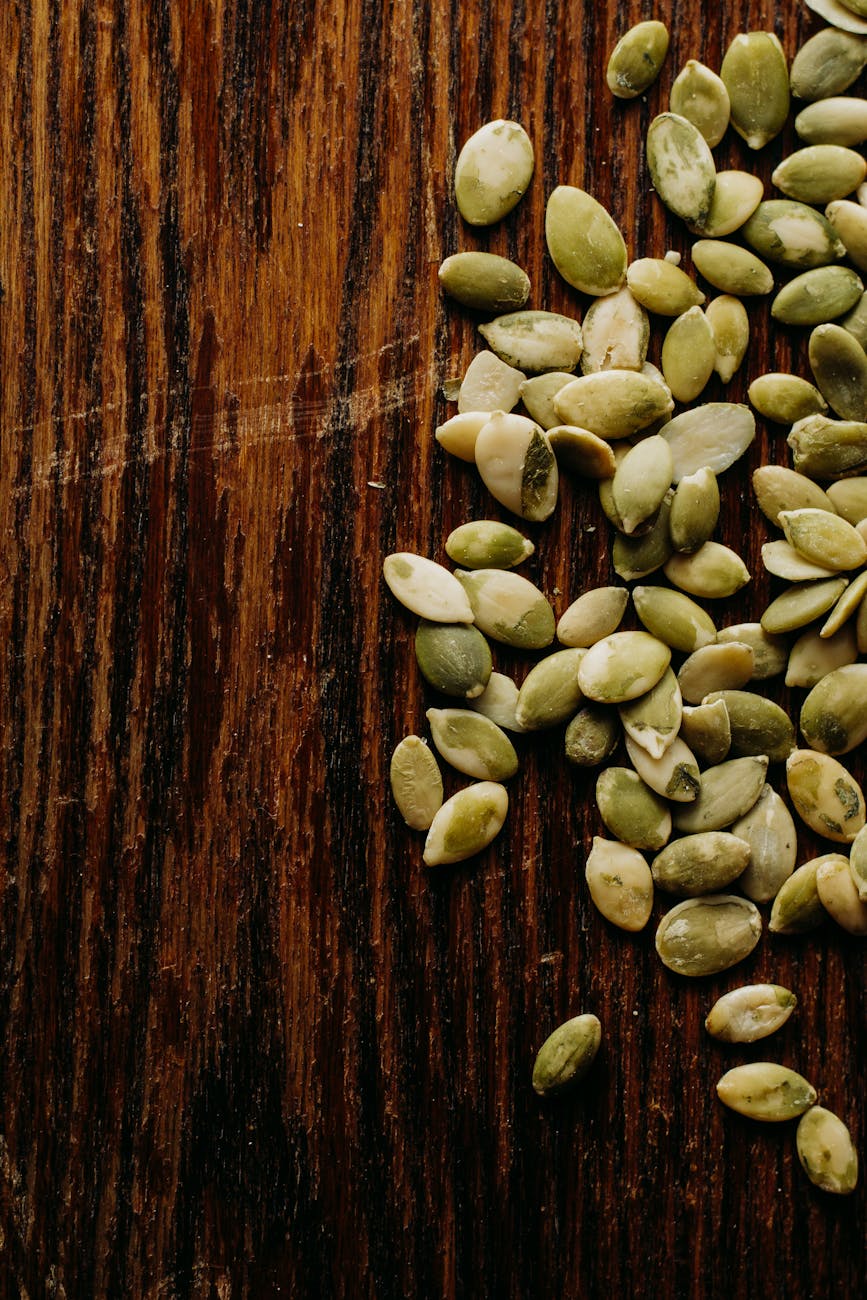
When choosing a location for your pumpkin patch, look for a spot that receives full sun for most of the day. Pumpkins love sunshine and need plenty of it to thrive. Make sure the soil is rich and fertile, with good drainage to prevent waterlogging.
Now, let’s talk about spacing. Pumpkins are notorious for their sprawling vines, so give them plenty of room to spread out. Plant your pumpkin seeds or seedlings at least 2-3 feet apart in rows, with 6-8 feet of space between each row. This will allow the vines to spread without overcrowding, giving your pumpkins room to grow to their full potential.
Once your pumpkins are in the ground, it’s important to keep them well-watered. Pumpkins have deep roots and need consistent moisture to develop properly. Water them deeply once or twice a week, depending on the weather and soil conditions. Avoid getting the leaves wet, as this can encourage fungal diseases.
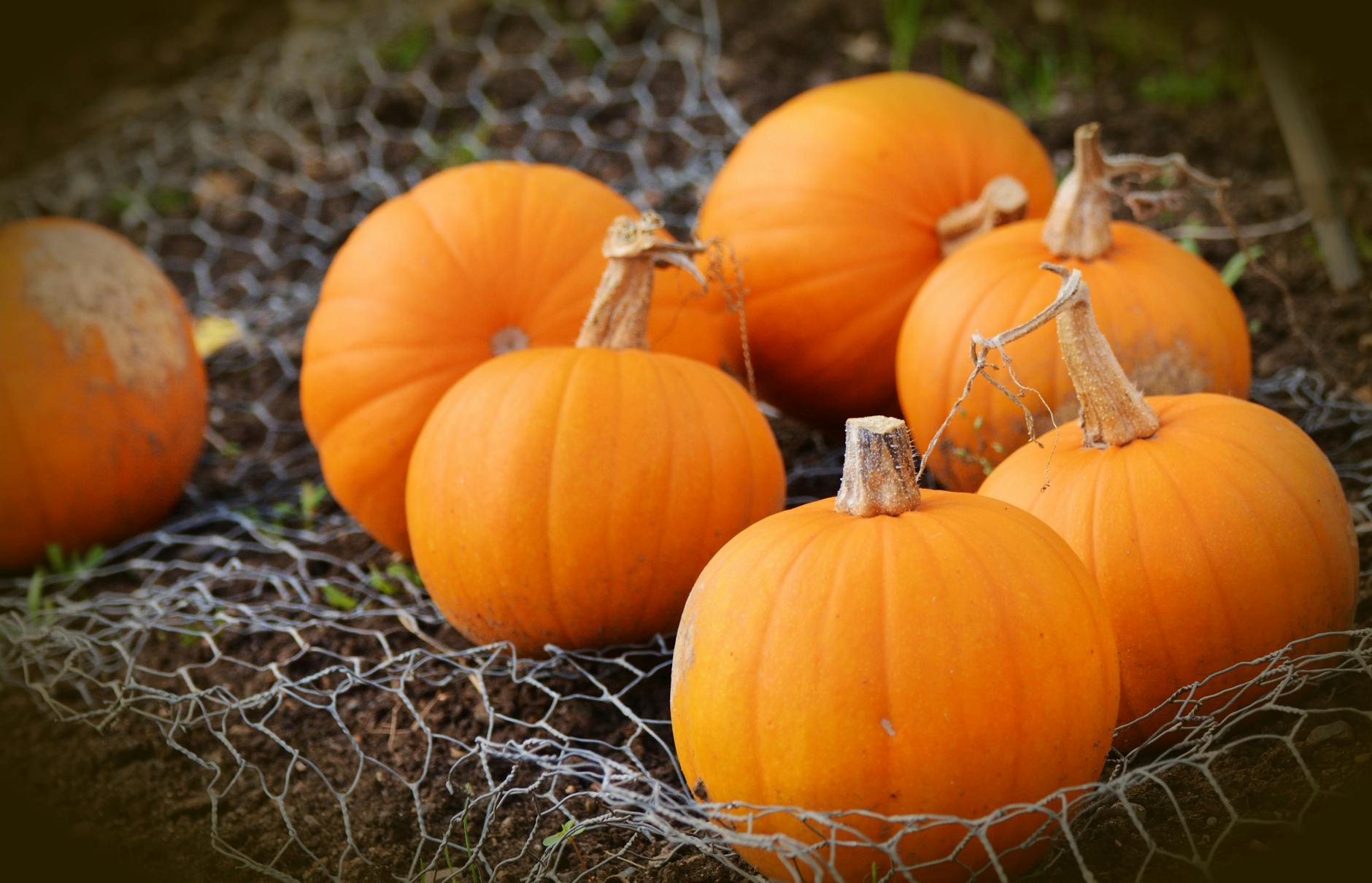
As your pumpkins grow, you may need to provide support for the heavy fruit. You can place a layer of straw or cardboard underneath each pumpkin to keep them off the ground and prevent rotting. Alternatively, you can fashion a makeshift trellis or support structure using stakes and twine.
Now, let’s talk about the magic of pollination. Pumpkins are pollinated by bees, so it’s important to attract these beneficial insects to your garden. Planting a variety of flowers and herbs nearby can help attract bees and other pollinators. You can also hand-pollinate your pumpkins by transferring pollen from the male flowers to the female flowers using a small paintbrush or cotton swab.
As summer fades into fall, your pumpkins will begin to ripen and change colour. Keep an eye on them as they mature and harvest them when they reach their full size and develop a deep, rich colour. Use a sharp knife or pruning shears to cut the pumpkins from the vine, leaving a few inches of stem attached.
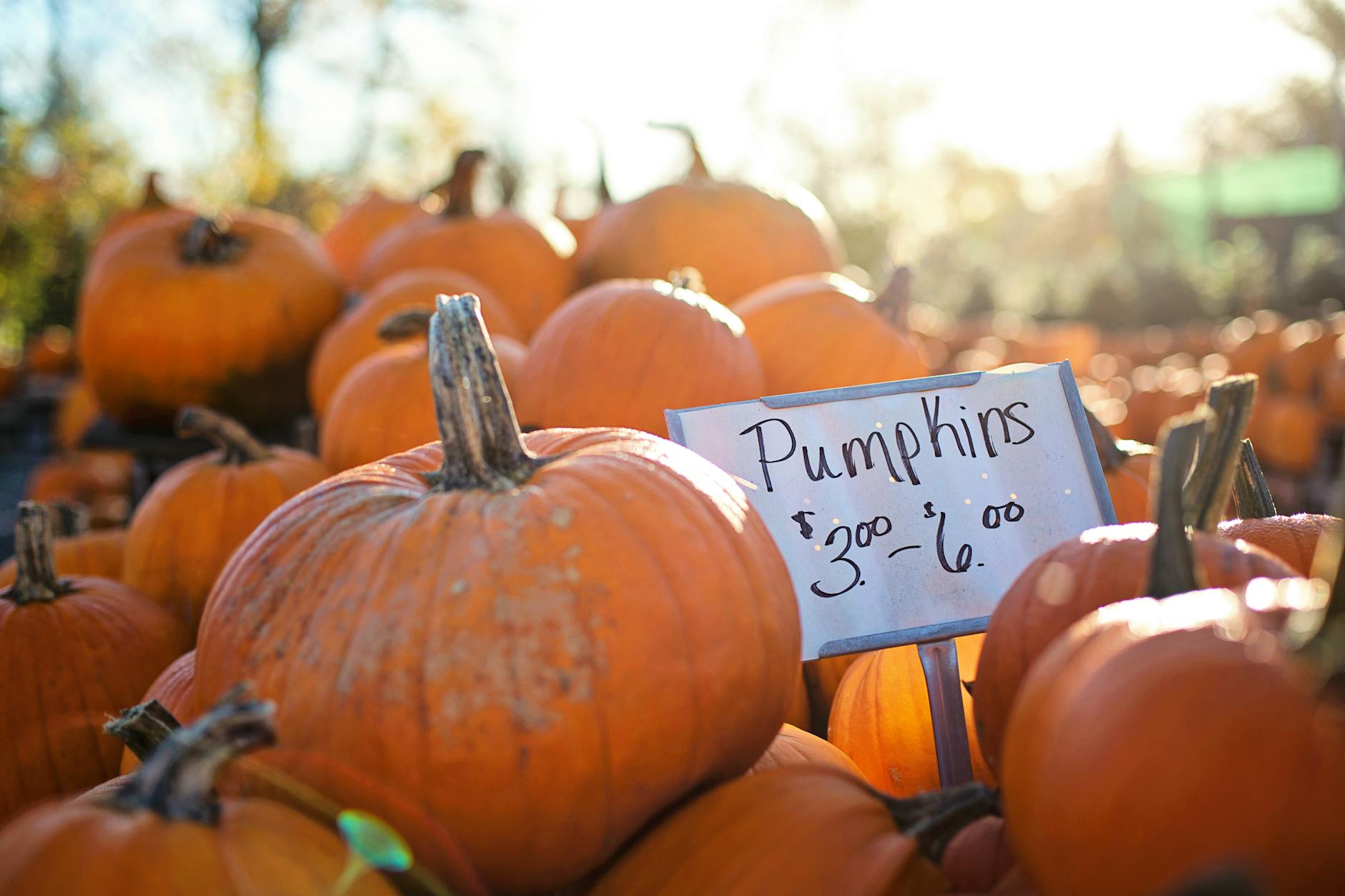
Once harvested, your pumpkins can be used in a variety of delicious recipes, from pies and soups to roasted seeds and savoury dishes. Or simply carve them into jack-o’-lanterns to decorate your home for Halloween!
In conclusion, the perfect time to plant pumpkins is after the danger of frost has passed, in warm, sunny weather. Give your pumpkins plenty of space to spread out, keep them well-watered, and attract pollinators to your garden. With a little care and patience, you’ll be rewarded with a bountiful harvest of beautiful pumpkins to enjoy all season long. Happy gardening!
 Green Garden Journal
Leave a comment