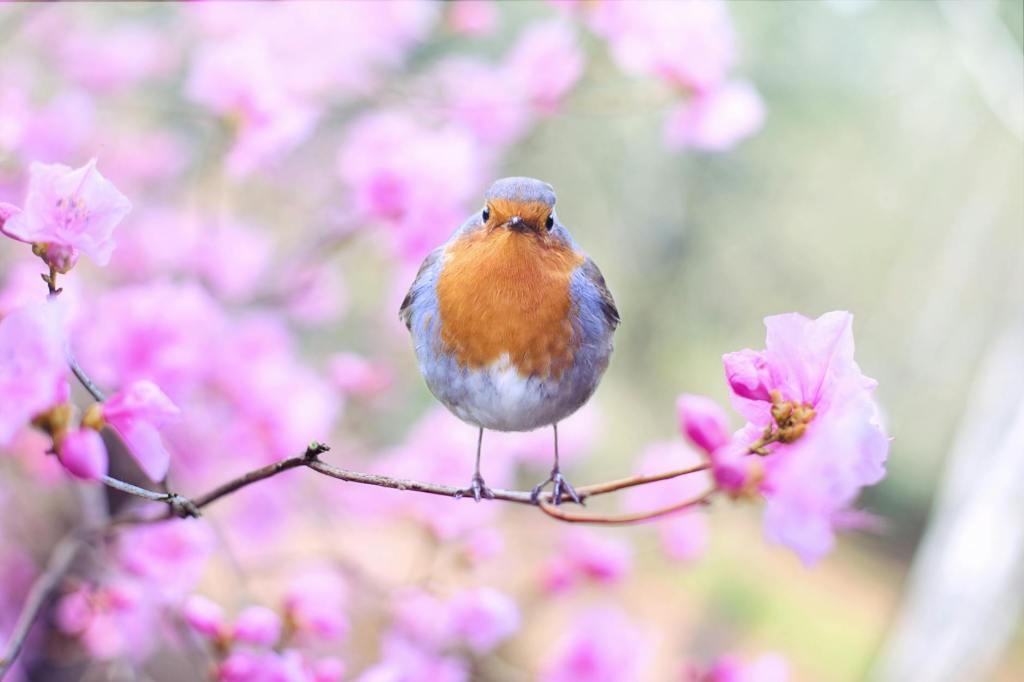
Spring is finally here! As the days grow longer and the weather warms up, it’s the perfect time to start your garden. But if you’re new to gardening, you might be wondering: What should I plant first? Don’t worry—we’ve got you covered. This beginner-friendly guide will help you kickstart your spring garden with the best plants for early success.
Understanding Your Growing Zone
Before planting, check your USDA hardiness zone to determine what plants thrive in your area. Knowing your last frost date is crucial, as some plants can handle a light frost while others need warmer soil to grow.
Best Vegetables to Plant First
- Leafy Greens (Lettuce, Spinach, Kale) – These cold-hardy vegetables can be planted as soon as the soil is workable. They grow quickly and provide fresh salads in no time!
- Peas – One of the first vegetables you can plant in spring. They love cool temperatures and can be sown directly into the soil.
- Radishes – A beginner-friendly crop that grows fast! You can harvest radishes in as little as 3-4 weeks.
- Carrots – These root vegetables prefer cooler temperatures and can be planted early in the season for a sweet spring harvest.
- Broccoli & Cabbage – These cool-weather crops should be started early for a head start before summer heat sets in.
Best Flowers to Plant First
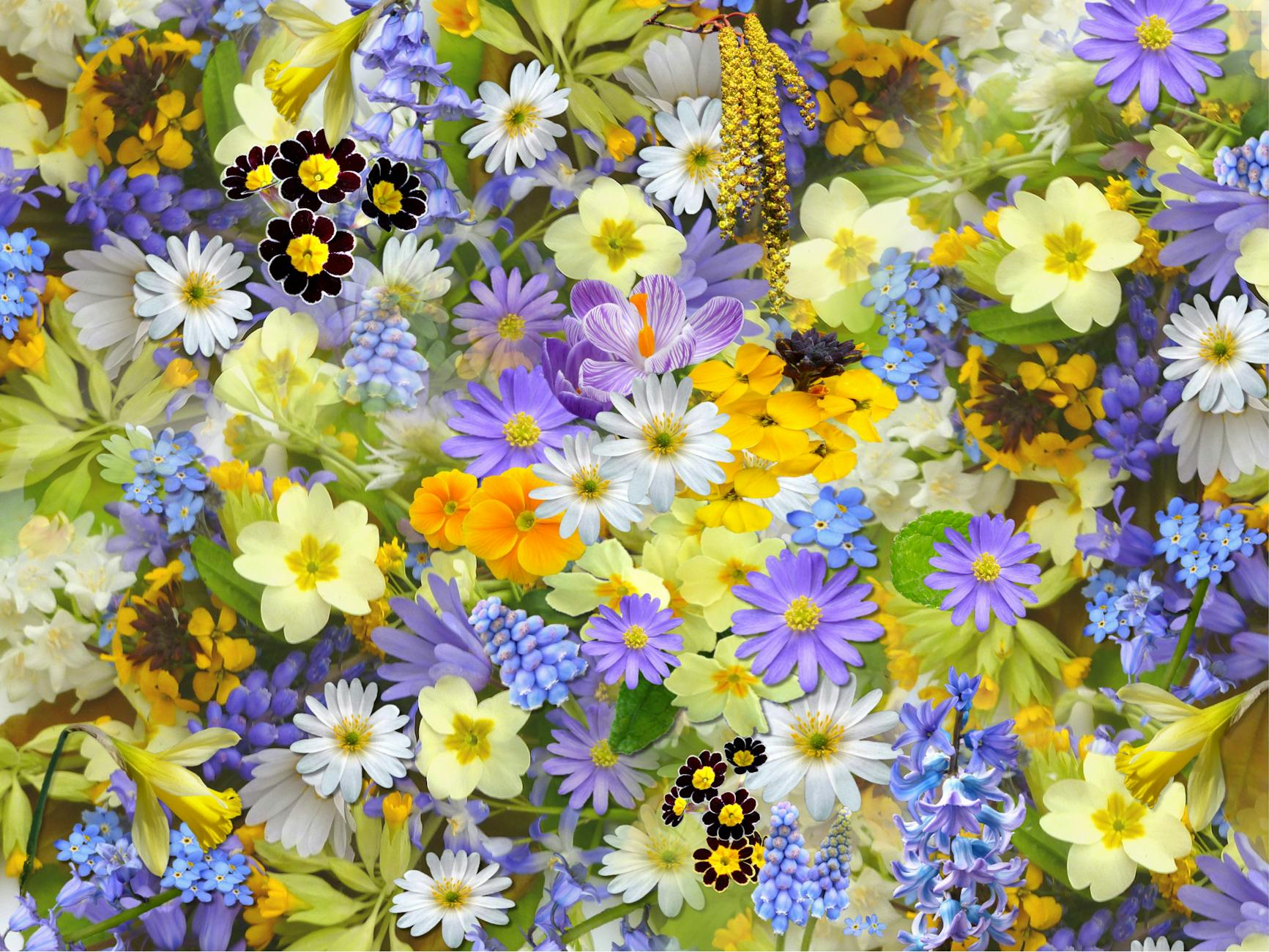
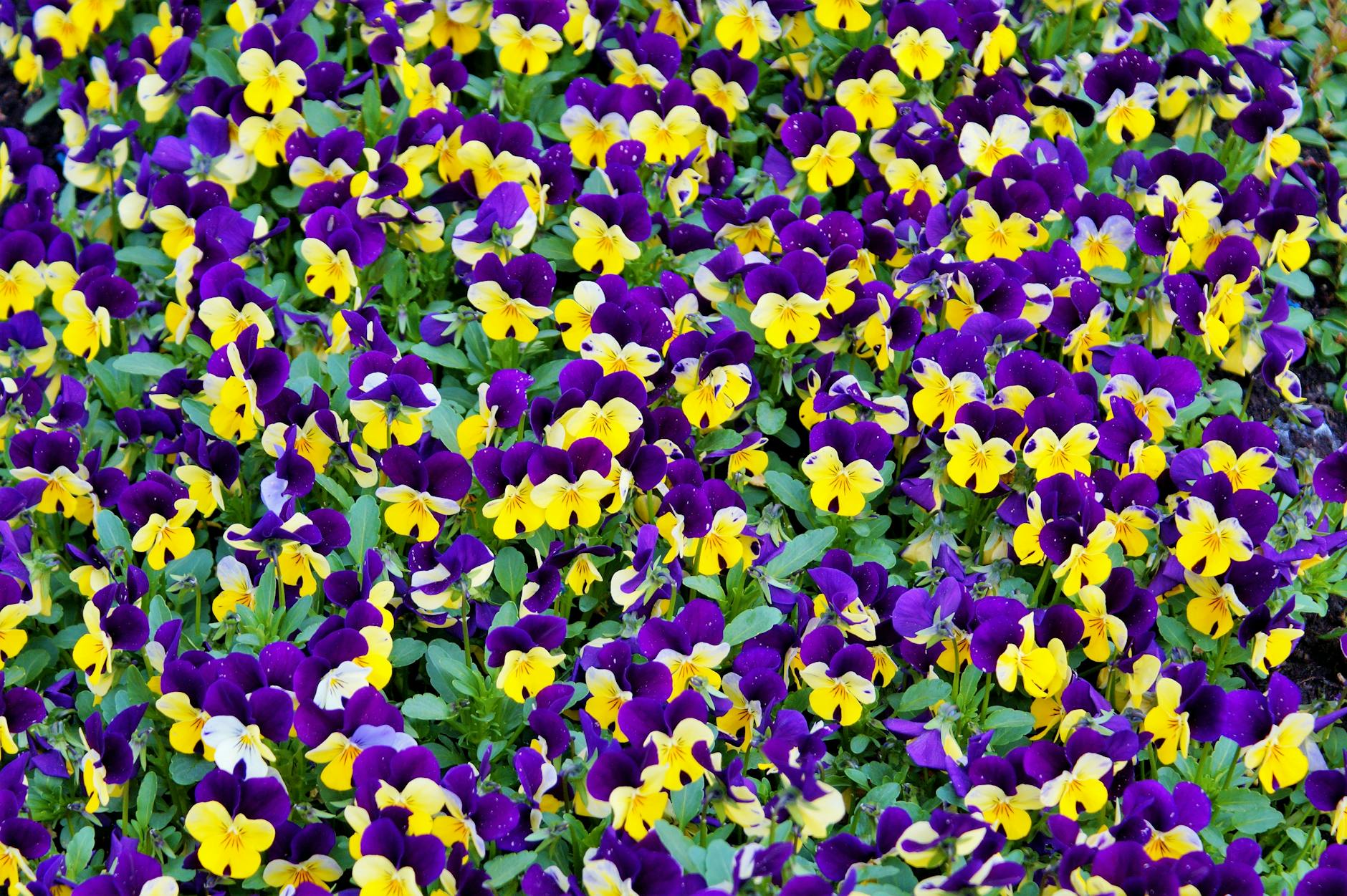
- Pansies – These cheerful flowers tolerate cool temperatures and bring color to your garden early in the season.
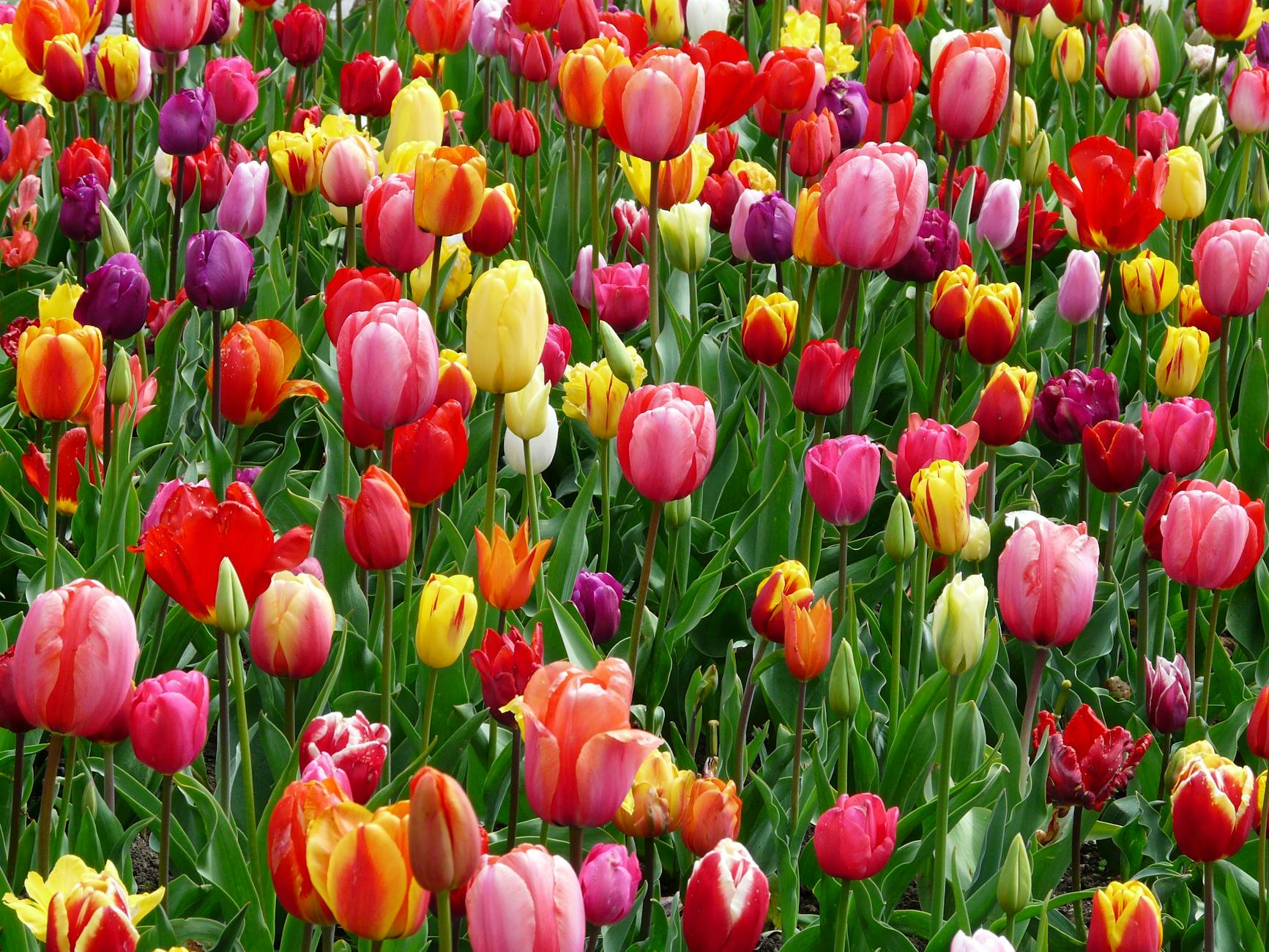
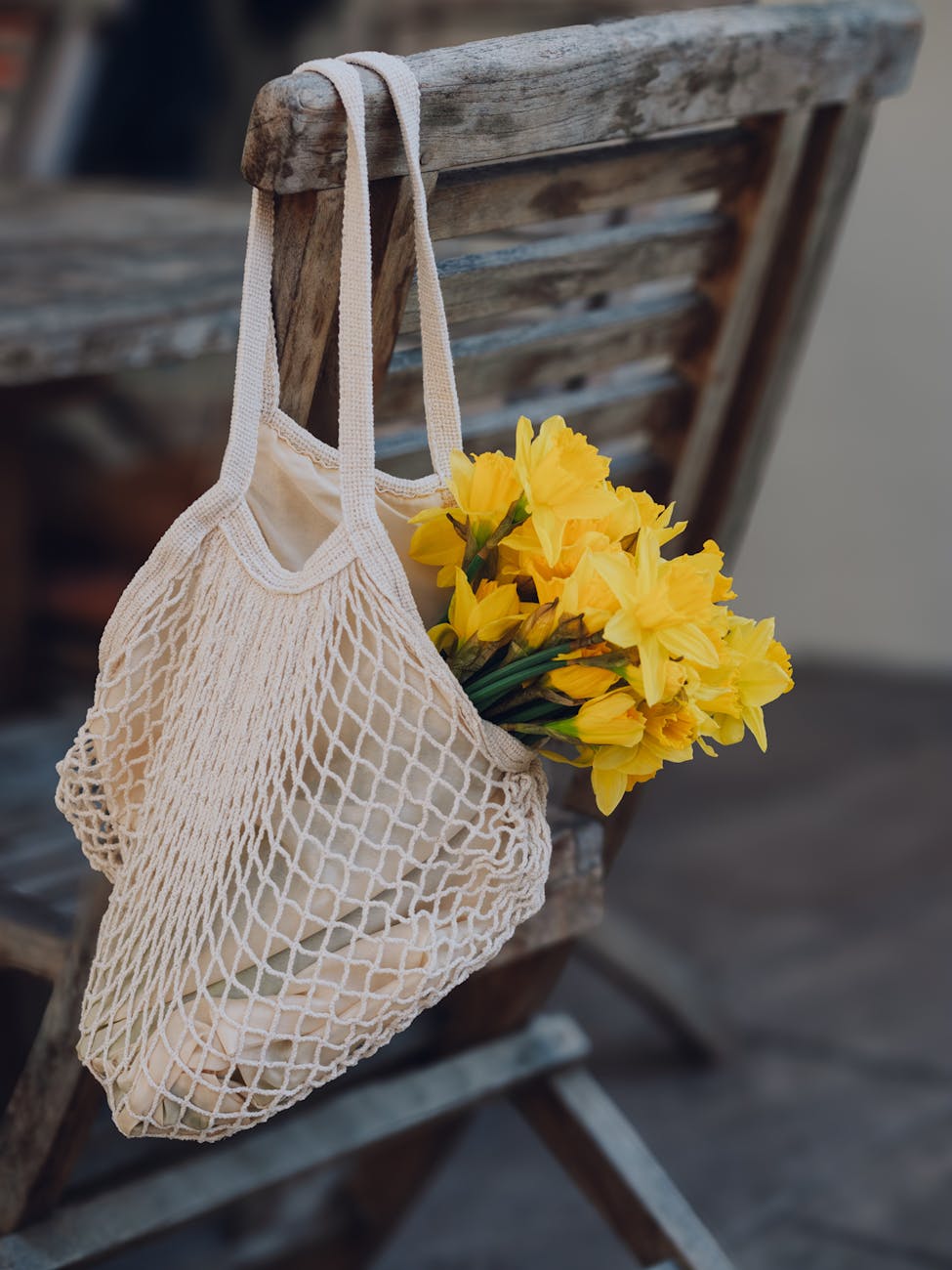
- Daffodils & Tulips – If you planted bulbs in fall, they will bloom in early spring, but you can also find potted ones to plant now.
- Snapdragons – Hardy and vibrant, snapdragons can handle spring’s unpredictable weather.
- Marigolds – These easy-to-grow flowers not only brighten your garden but also help repel pests.
Herbs to Start in Spring
- Chives – One of the earliest herbs to grow, chives add a mild onion flavor to dishes.
- Parsley – A slow-growing herb that thrives in cool temperatures.
- Mint – Grows vigorously in spring but is best planted in a container to prevent spreading too much.
- Cilantro – Prefers cooler weather and is a great addition to spring dishes.
Gardening Tips for Beginners
- Start Small – Choose a few easy-to-grow plants before expanding your garden.
- Prepare the Soil – Add compost or organic matter to enrich the soil for better plant growth.
- Water Wisely – Water in the morning and avoid overwatering to prevent root rot.
- Use Mulch – Mulch helps retain moisture and keep weeds at bay.
- Keep an Eye on the Weather – Be ready to cover plants if unexpected frost arrives.
Final Thoughts
Spring is the best time to start your gardening journey! By planting cold-hardy vegetables, colorful flowers, and aromatic herbs first, you set yourself up for a thriving garden all season long. So grab your gardening tools, dig in, and enjoy the beauty and bounty of spring gardening.
Happy planting!
 Green Garden Journal
Leave a comment