

Spring is here, and it’s time to get your garden blooming! Whether you’re a seasoned gardener or just starting out, companion planting is a game-changer. By pairing the right plants together, you can boost growth, deter pests, and improve yields—naturally! Let’s dig into some of the best companion plants to help your spring garden thrive.
1. Tomatoes & Basil: A Match Made in Garden Heaven
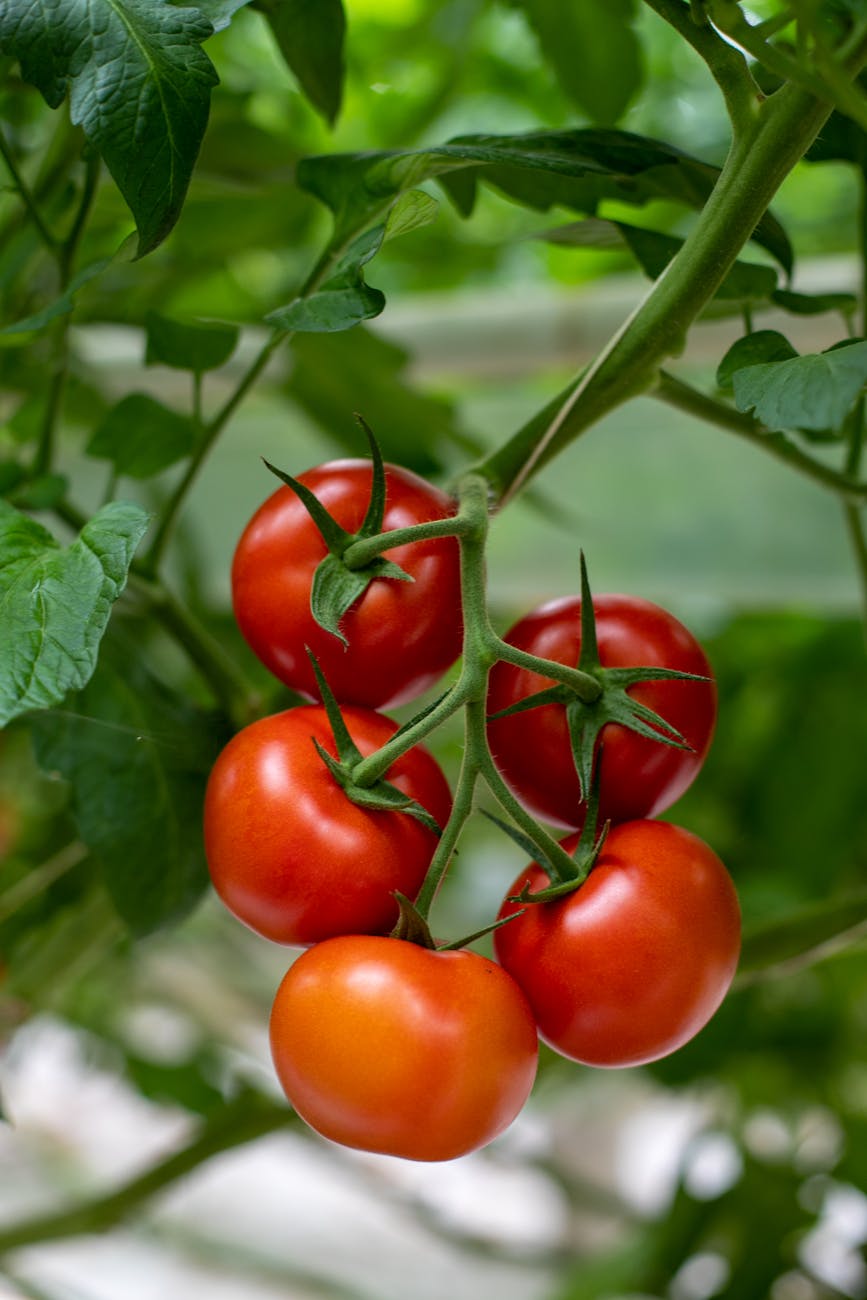
Tomatoes and basil aren’t just a tasty duo in the kitchen—they’re also great garden companions. Basil helps repel insects like aphids, whiteflies, and hornworms, which can cause significant damage to tomato plants. Additionally, basil’s strong aroma confuses pests, making it harder for them to find your tomato plants. Many gardeners also believe that basil enhances the flavor of tomatoes, making your harvest even more delicious. Be sure to plant basil close to your tomatoes but avoid overcrowding to allow proper airflow and prevent fungal diseases. This classic pairing is a must-have in any vegetable garden!
2. Carrots & Onions: The Ultimate Pest Fighters

Carrots and onions make a fantastic garden partnership thanks to their complementary pest control abilities. Carrots are highly susceptible to carrot flies, while onions naturally repel them with their strong scent. In turn, carrots help break up compacted soil, allowing onions to develop strong, healthy bulbs. The two plants also have different root structures—carrots grow deep into the soil, while onions have shallow roots—so they don’t compete for nutrients. To maximize their benefits, interplant them in alternating rows. This simple yet effective strategy will help you grow healthier, more productive crops with minimal effort.
3. Cabbage & Marigolds: Beauty Meets Functionality

Marigolds are more than just a beautiful flower; they are a powerful ally in the garden. Their bright blooms add a splash of color while their strong scent deters common cabbage pests like cabbage worms, aphids, and nematodes. Brassicas, such as cabbage, broccoli, and kale, benefit greatly from marigold companionship. Marigolds also attract pollinators and beneficial insects like ladybugs, which help control aphid populations naturally. When planting marigolds with cabbage, place them along the edges of your garden beds or intersperse them between cabbage plants for maximum protection. This natural pest control method will keep your brassicas healthy and thriving all season long.
4. Peppers & Spinach: Shade and Support
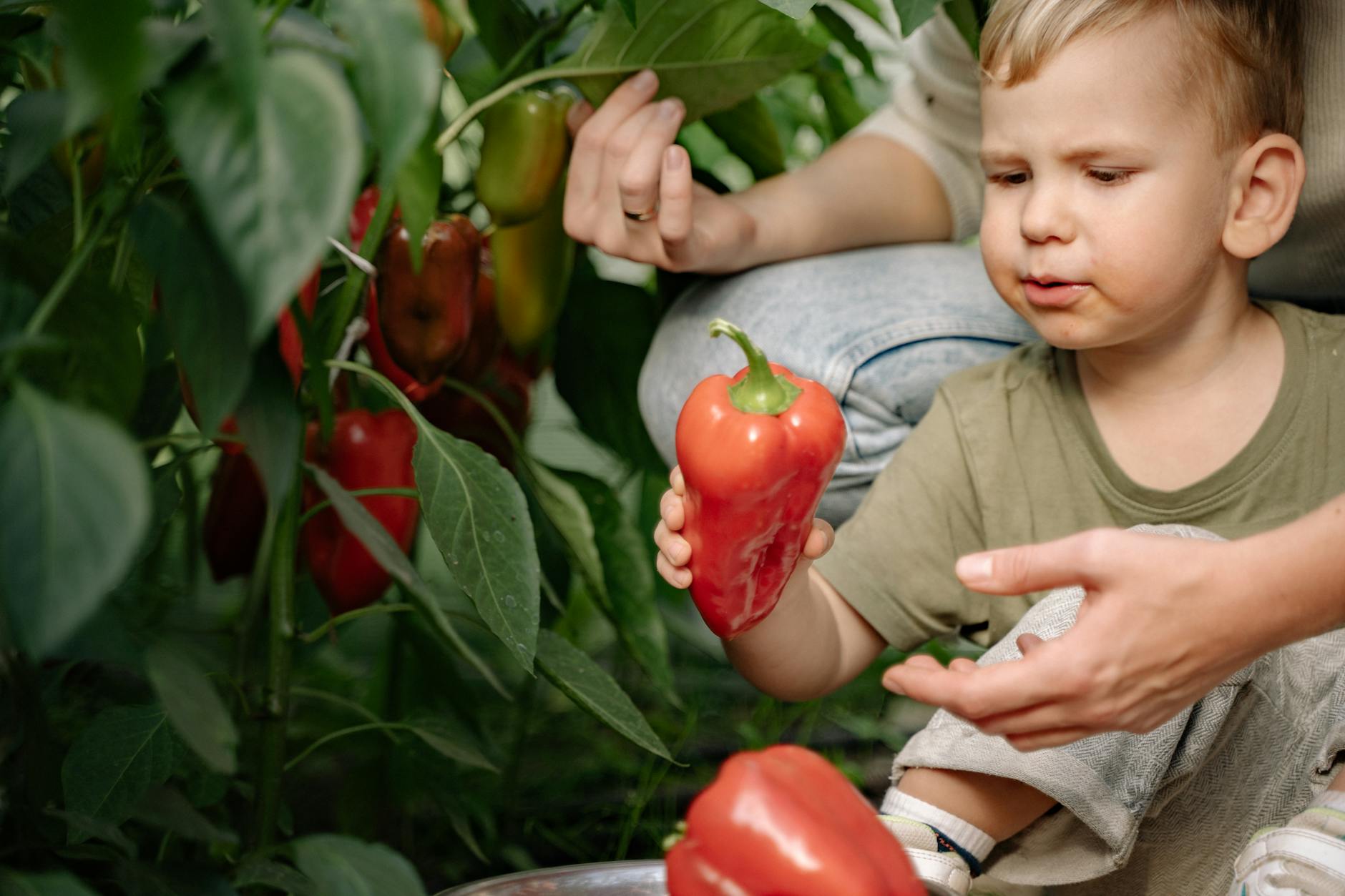
Peppers and spinach make an excellent pairing, thanks to their ability to support each other’s growth. Peppers grow tall and provide partial shade, which helps keep spinach cool and prevents it from bolting too quickly in warm weather. In return, spinach acts as a natural ground cover, reducing moisture loss and suppressing weed growth. This partnership is particularly useful in small gardens where space is limited. When planting, consider spacing them strategically to ensure that spinach benefits from the shade without being completely overshadowed. By taking advantage of their natural synergy, you can enjoy a longer-lasting spinach harvest and healthier pepper plants.
5. Strawberries & Thyme: Sweet and Savory Allies

Strawberries and thyme make a perfect garden pair, working together to create a pest-resistant and productive environment. Thyme’s aromatic scent helps deter pests like worms and slugs, which often feed on strawberry leaves and fruit. Additionally, thyme attracts pollinators such as bees, leading to better fruit set and higher strawberry yields. The low-growing nature of thyme makes it an excellent ground cover, helping to retain moisture and reduce the spread of weeds around your strawberry plants. To make the most of this pairing, plant thyme as a border around your strawberry patch or intersperse it between plants for maximum protection and pollination benefits.
6. Lettuce & Radishes: Fast Friends
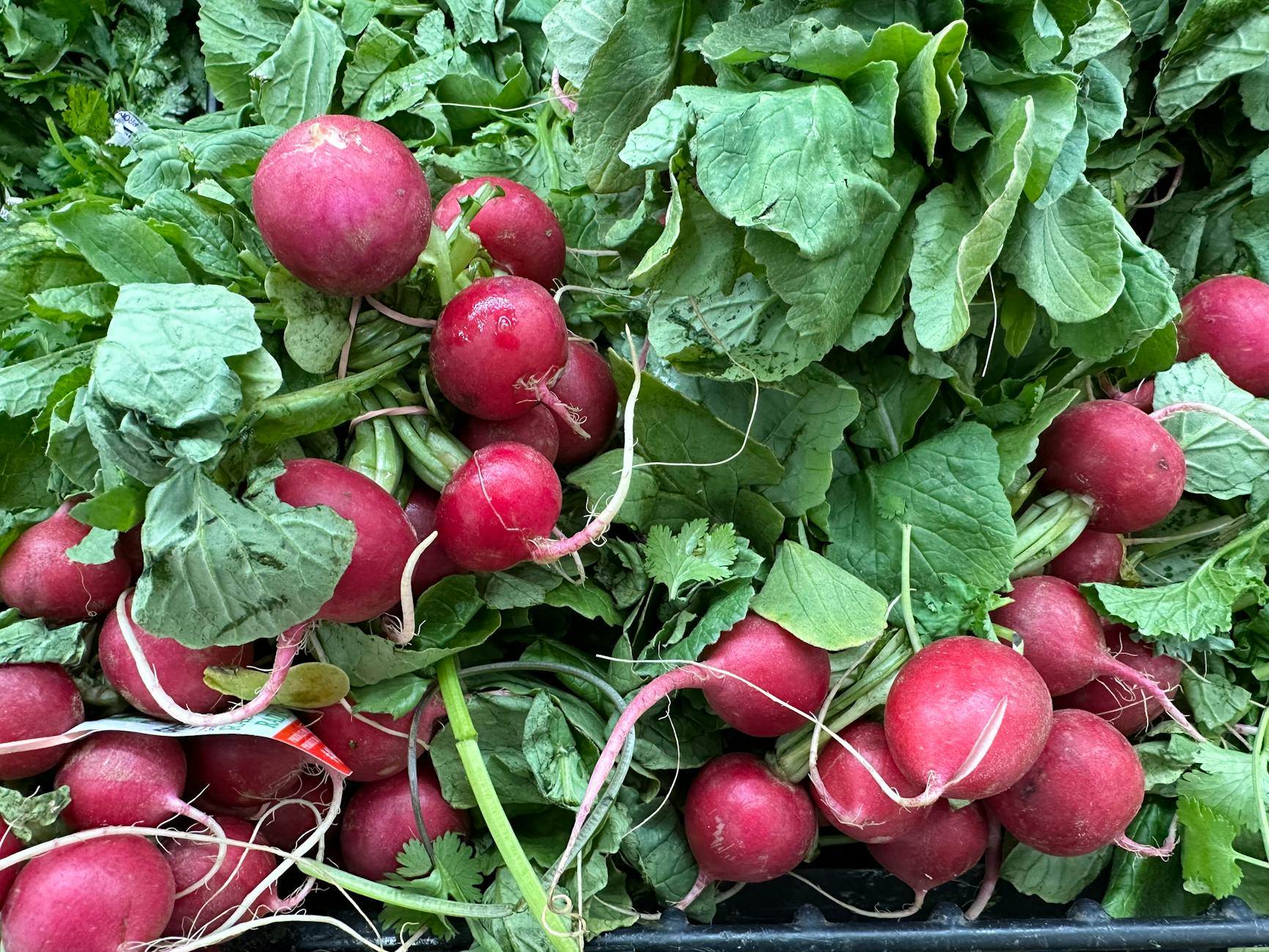
Lettuce and radishes are a smart combination because they complement each other’s growth habits. Radishes are quick to mature, often ready for harvest in just a few weeks, while lettuce takes a bit longer. As radishes grow, they help break up the soil, making it easier for lettuce roots to spread and access nutrients. Additionally, radishes can deter pests that commonly target leafy greens, such as flea beetles and aphids. To optimize this pairing, plant radishes in between rows of lettuce or scatter radish seeds among your lettuce plants. By doing so, you’ll maximize space, reduce pest issues, and enjoy a continuous harvest throughout the season.
7. Corn, Beans & Squash: The Three Sisters

The Three Sisters is a traditional Native American planting technique that creates a symbiotic relationship between corn, beans, and squash. Corn provides a natural trellis for beans to climb, eliminating the need for stakes or supports. Beans, in turn, fix nitrogen in the soil, which benefits both the corn and squash by enriching the growing environment. Squash plants have large, sprawling leaves that shade the soil, reducing evaporation and suppressing weed growth. This trio not only maximizes garden space but also promotes healthier, more resilient plants. When planting, arrange them in a circular mound with corn in the center, beans around the corn, and squash on the outer edges to allow each plant to thrive.
Tips for Successful Companion Planting
- Space wisely: Make sure your plants have enough room to grow without overcrowding, which can lead to competition for nutrients and increased susceptibility to disease.
- Rotate crops: Avoid planting the same companions in the same spot every year to prevent soil depletion and reduce the risk of pest infestations.
- Consider pests and pollinators: Some plants repel pests, while others attract beneficial insects. A balanced mix will create a thriving, self-sustaining garden ecosystem.
- Use companion planting charts: Reference a companion planting guide to determine the best plant pairings for your specific garden setup.
By pairing the right plants together, you’ll enjoy a healthier, more productive garden with fewer pests and richer soil. So grab your seeds, get planting, and watch your spring garden flourish! Happy gardening! 🌱🌸
 Green Garden Journal
Leave a comment