
Spring is an exciting time for gardeners. As the temperatures rise and the days grow longer, it’s tempting to jump right into planting and preparing your garden. However, many gardeners—both beginners and seasoned pros—make common mistakes that can lead to disappointing results. To help you achieve a thriving, beautiful garden, we’re breaking down some of the most common spring gardening mistakes and how to avoid them.
1. Planting Too Early
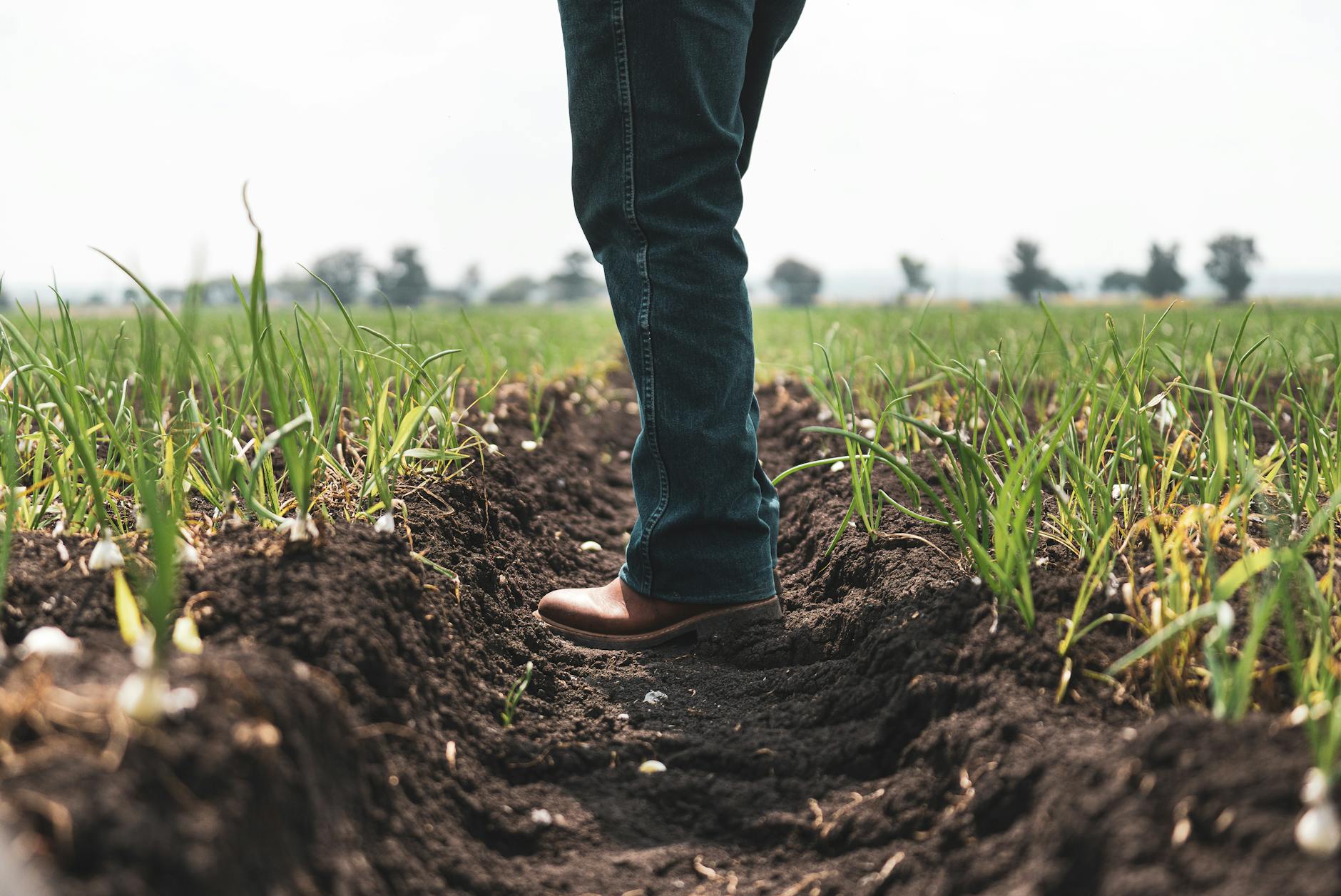
One of the biggest mistakes gardeners make in spring is planting too soon. While it may be tempting to get your plants in the ground at the first sign of warm weather, unexpected cold snaps can damage or kill young plants.
How to Avoid It:
- Check your local last frost date and wait until it’s safe.
- Use row covers or cloches to protect early plantings.
- Start seeds indoors if needed, so they’re strong enough when transplanted outside.
2. Ignoring Soil Preparation

Healthy plants start with healthy soil. Many gardeners skip soil preparation, leading to poor growth and weak plants.
How to Avoid It:
- Test your soil to determine pH levels and nutrient deficiencies.
- Add organic matter like compost to enrich the soil.
- Avoid compacting soil by working on it when it’s dry rather than wet.
3. Overwatering or Underwatering
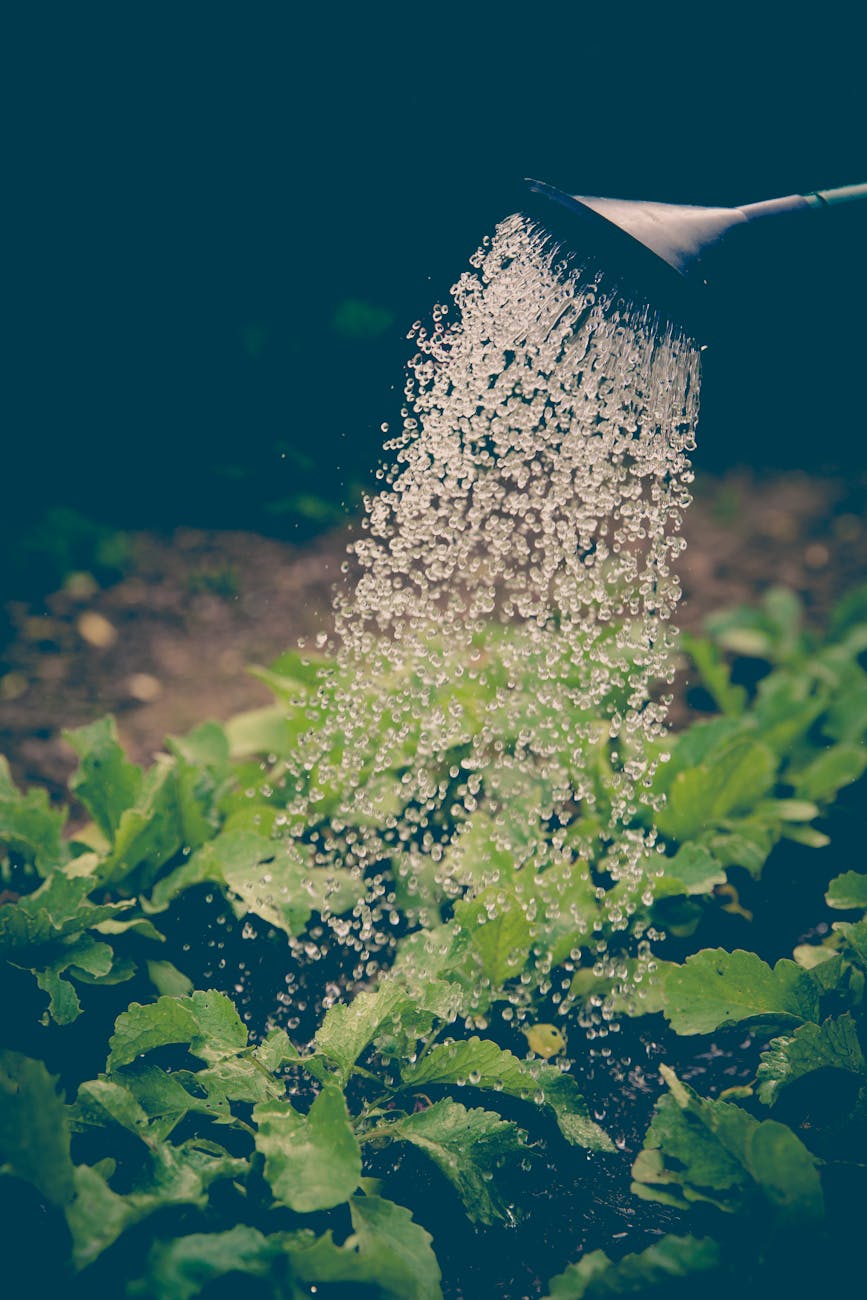
Finding the right balance of watering can be tricky in spring. Overwatering can lead to root rot, while underwatering can stress plants and stunt their growth.
How to Avoid It:
- Water deeply but infrequently to encourage strong root growth.
- Check soil moisture by inserting your finger a few inches into the soil; if it’s dry, it’s time to water.
- Use mulch to retain moisture and regulate soil temperature.
4. Neglecting Weeds Early On
Weeds love spring just as much as your plants do. If you ignore them early, they will quickly take over your garden.
How to Avoid It:
- Start weeding as soon as you see weeds sprouting.
- Apply mulch to prevent weed growth.
- Consider using landscape fabric or natural weed barriers.
5. Not Rotating Crops
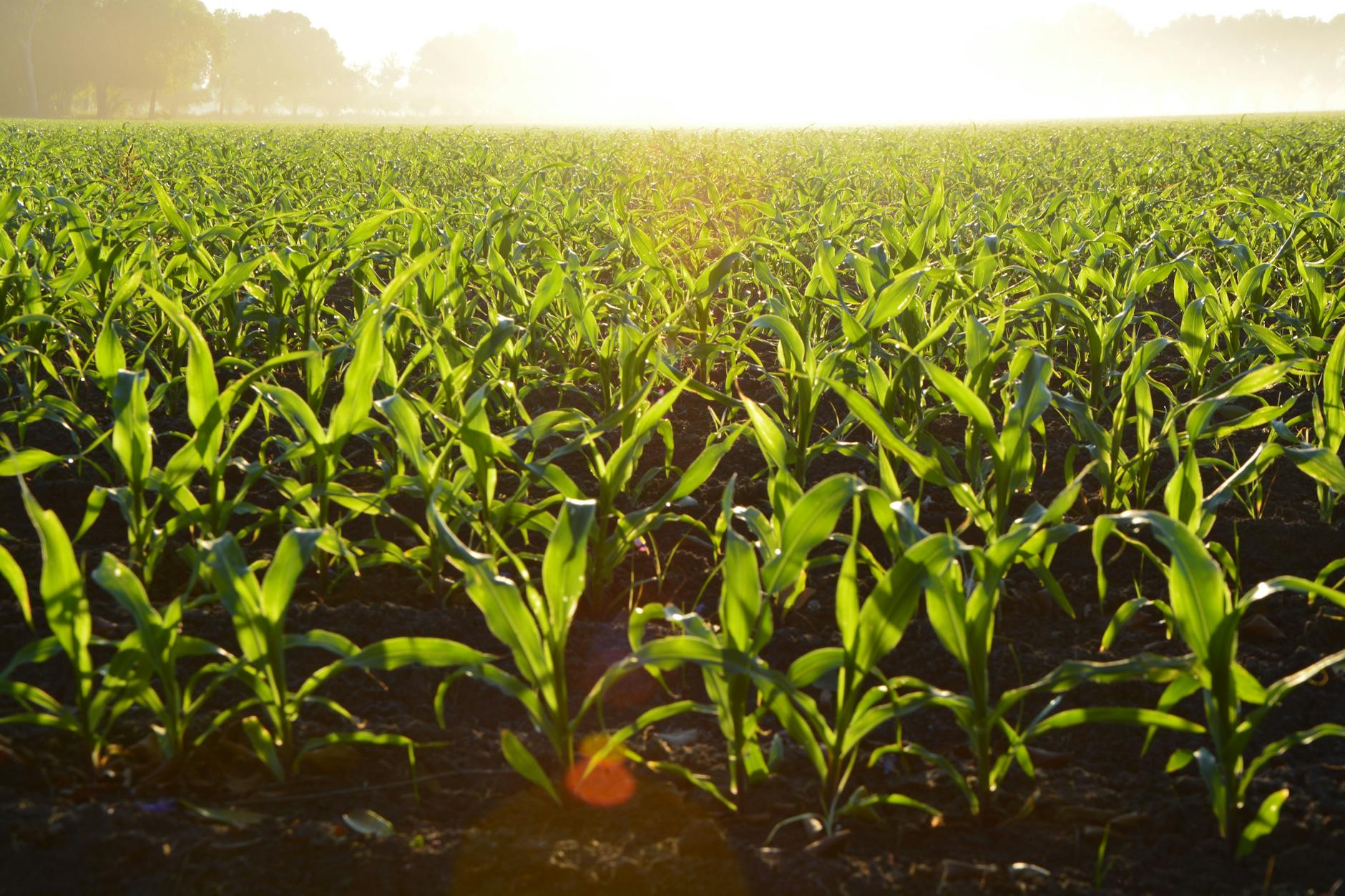
Planting the same crops in the same spot every year can lead to depleted soil nutrients and an increase in pests and diseases.
How to Avoid It:
- Rotate crops each year to different garden beds.
- Practice companion planting to improve plant health.
- Use cover crops in the off-season to replenish soil nutrients.
6. Overcrowding Plants
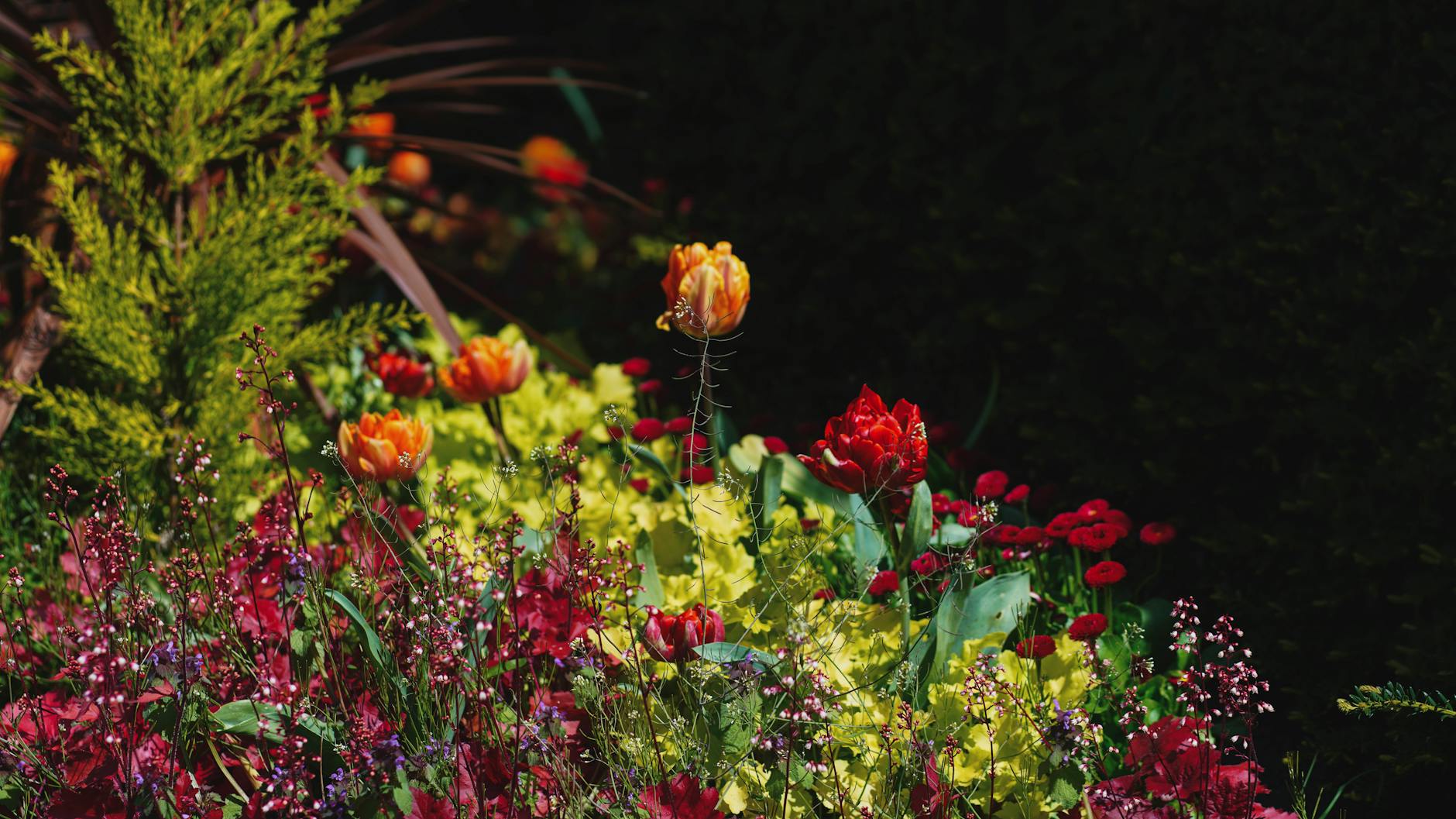
It’s easy to get excited and plant too many seeds or plants in a small space, but overcrowding leads to poor air circulation, increased disease risk, and competition for nutrients.
How to Avoid It:
- Follow spacing guidelines on seed packets and plant labels.
- Thin seedlings if necessary to give plants room to grow.
- Use raised beds or vertical gardening techniques for better space management.
7. Forgetting to Fertilize

Many gardeners either over-fertilize or forget to fertilize completely. Both can harm plants—too much fertilizer can burn roots, while too little can result in weak growth.
How to Avoid It:
- Use organic fertilizers like compost or slow-release fertilizers.
- Follow recommended application rates.
- Pay attention to your plants; yellowing leaves may indicate a nutrient deficiency.
8. Ignoring Pest Control Early
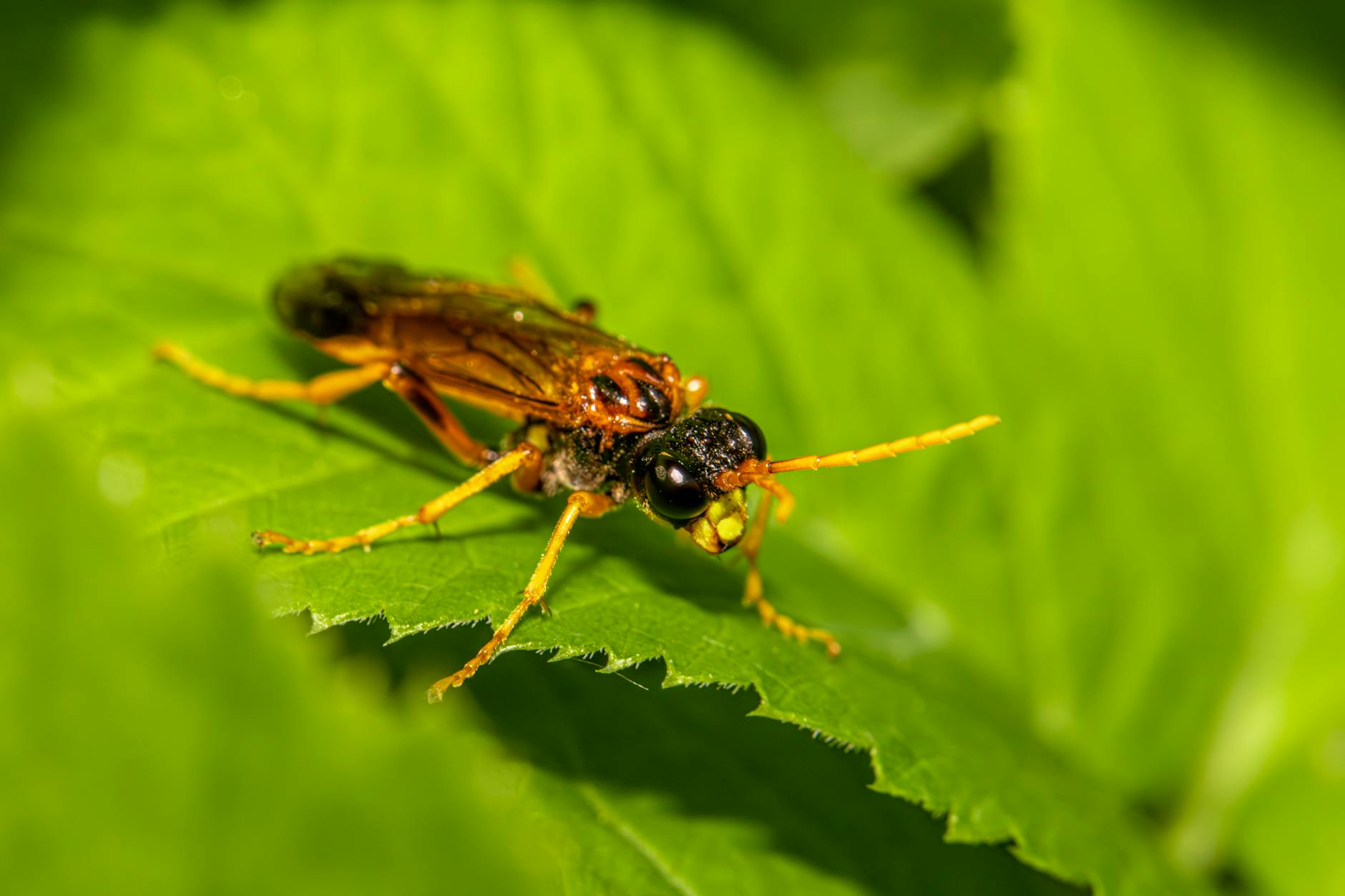
Spring is when many garden pests start to emerge. If you wait too long to address them, they can cause serious damage to your plants.
How to Avoid It:
- Inspect plants regularly for signs of pests.
- Encourage beneficial insects like ladybugs and praying mantises.
- Use natural remedies like neem oil or insecticidal soap if needed.
To Summarise
Spring gardening can be incredibly rewarding, but avoiding these common mistakes will save you time, effort, and frustration. By planting at the right time, preparing your soil, watering correctly, managing weeds and pests, and following good gardening practices, you’ll set your garden up for success.
Are you ready to start your spring garden? Share your gardening experiences and tips in the comments below!
 Green Garden Journal
Leave a comment