Spring is the perfect season to kickstart your vegetable garden. With longer days, warming soil, and moderate temperatures, it’s an ideal time to plant crops that thrive in these conditions. Whether you’re a beginner or an experienced gardener, choosing the right vegetables can ensure a bountiful harvest. Here are some of the best vegetables to grow in spring for a high-yield garden.
1. Lettuce
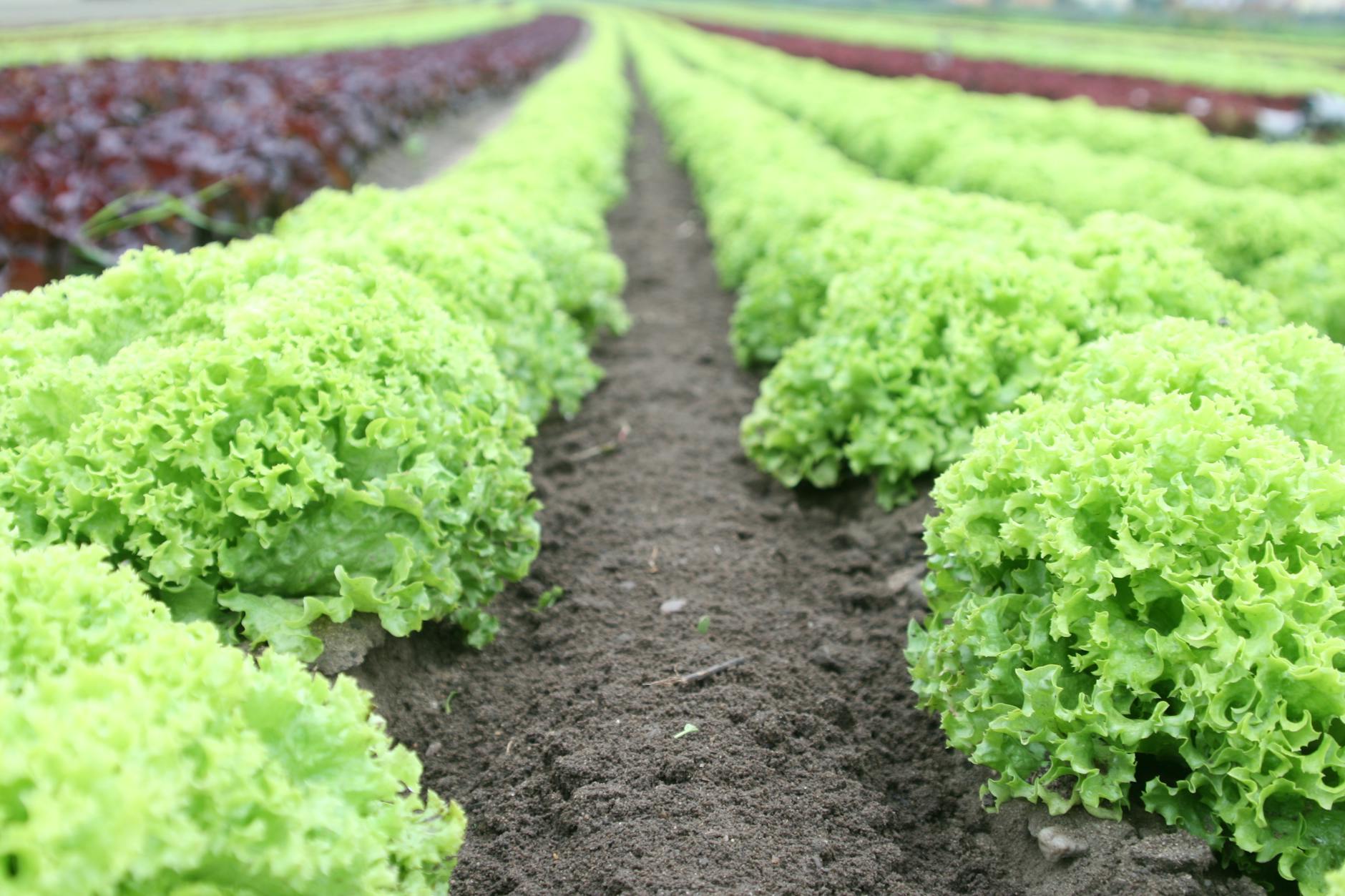
Lettuce is a fast-growing, cool-season crop that flourishes in spring weather. It grows best in well-drained soil with partial to full sun. You can plant a variety of lettuce types, including romaine, butterhead, and leaf lettuce, to enjoy fresh, crisp greens throughout the season. For a continuous harvest, sow seeds every two weeks.
2. Spinach
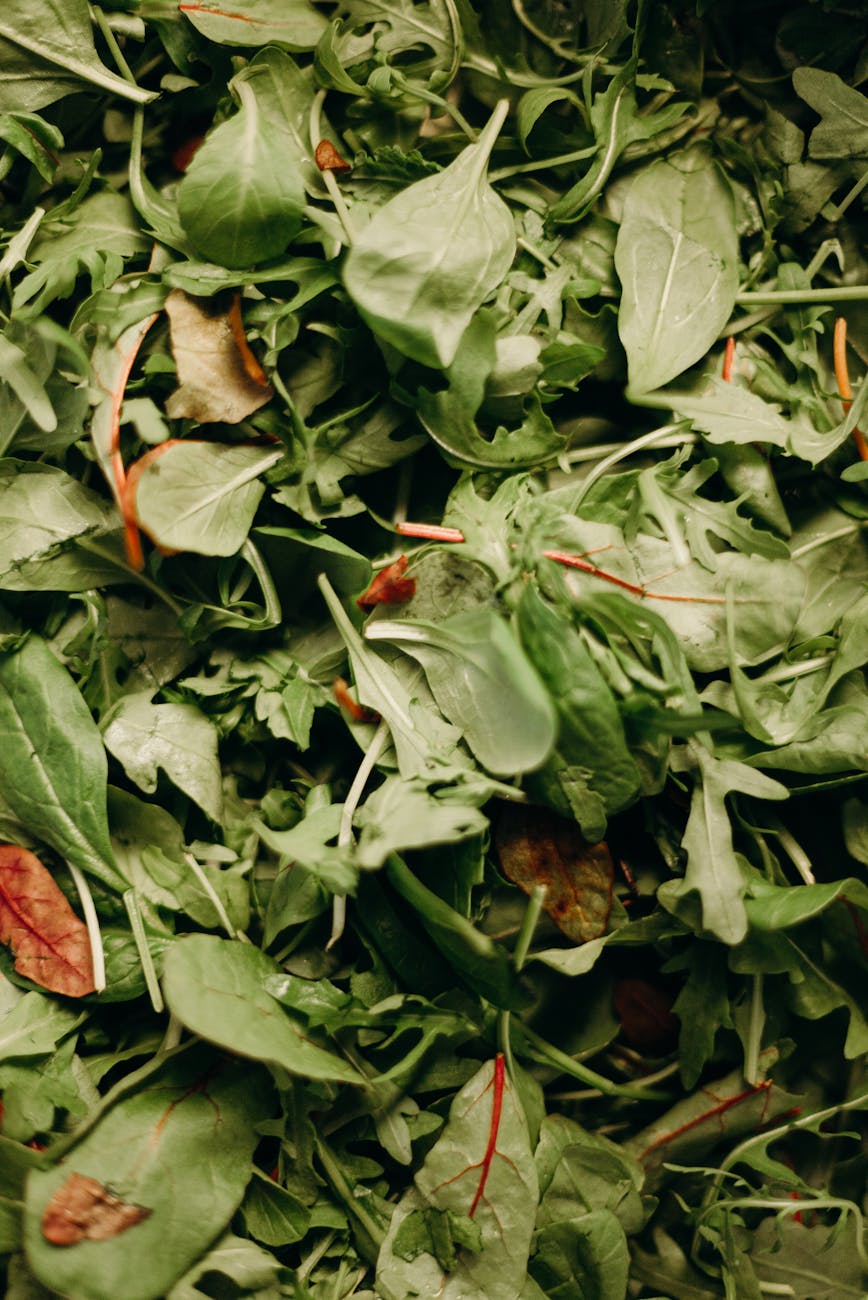
Another leafy green that thrives in spring is spinach. It prefers cooler temperatures and can be harvested within 40 to 50 days. Spinach is packed with nutrients and is perfect for salads, smoothies, and cooking. To maximize yield, plant it in nutrient-rich soil and keep it well-watered.
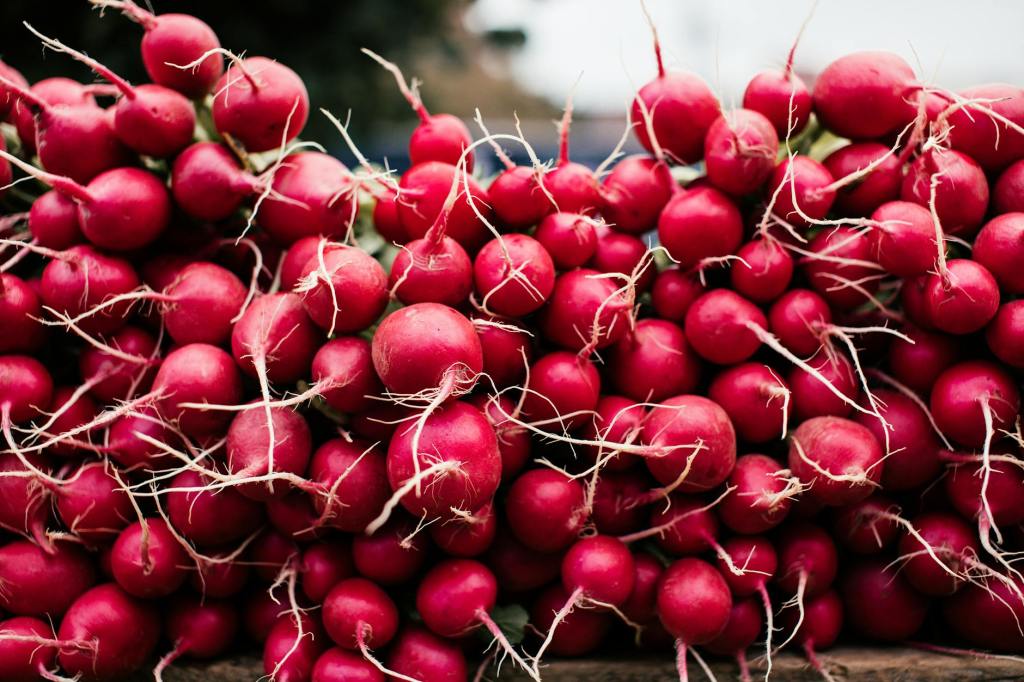
3. Radishes
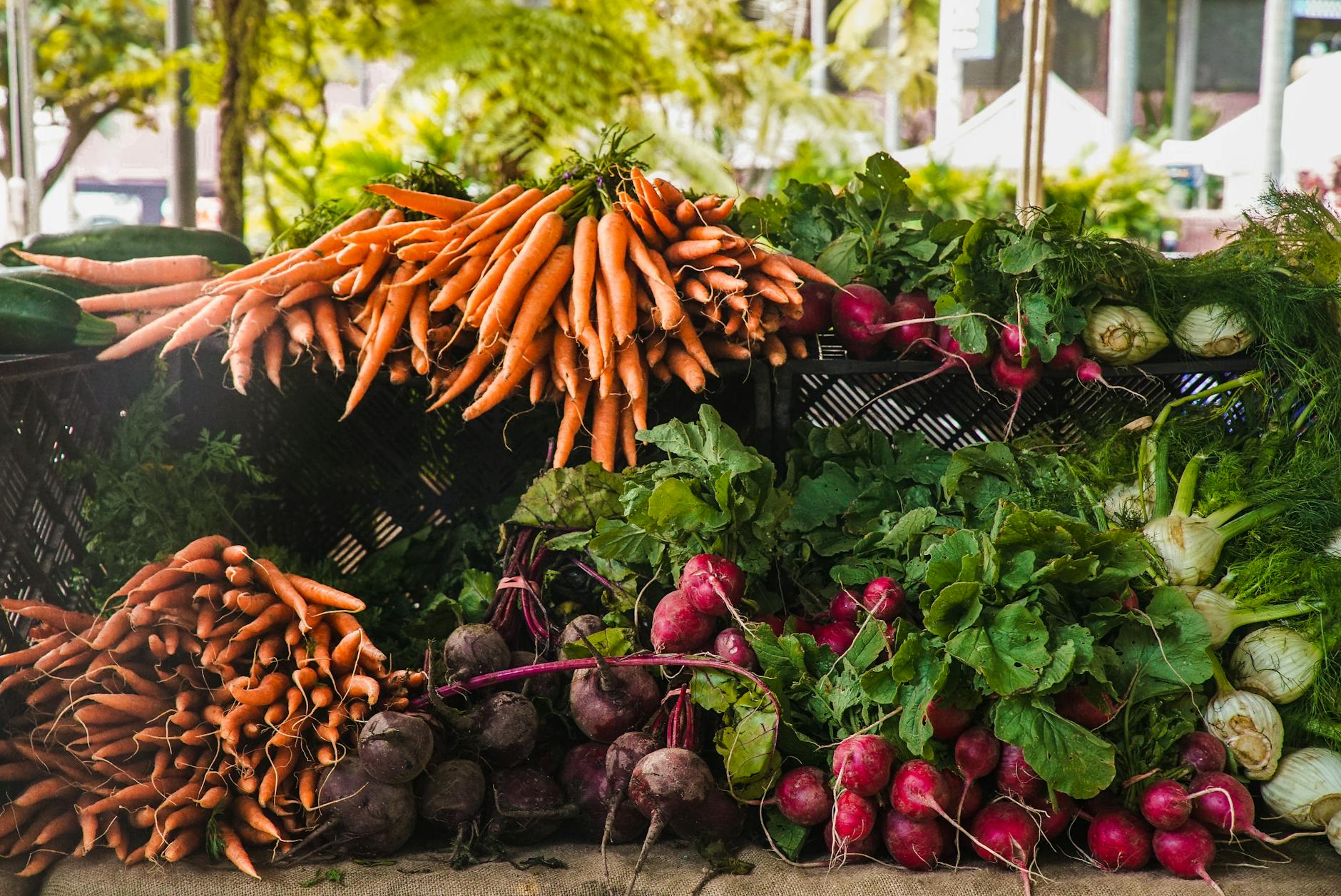
Radishes are among the quickest-growing vegetables, often ready to harvest within 20 to 30 days. They grow well in loose, well-drained soil and require minimal space, making them perfect for small gardens and container gardening. Their crisp, peppery flavor makes them a great addition to salads and side dishes.
4. Carrots
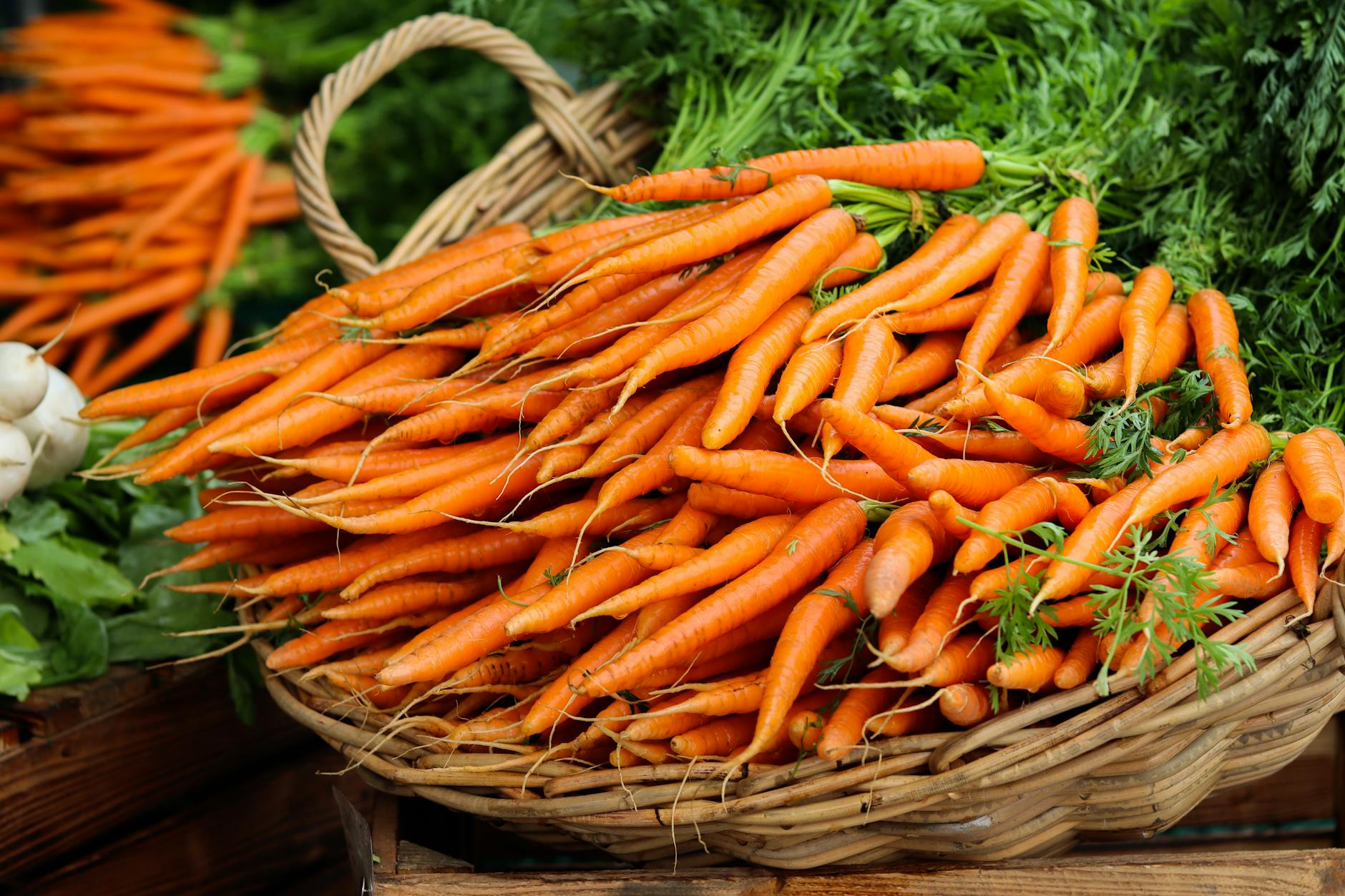
Carrots are an excellent spring crop, but they require loose, well-aerated soil for proper root development. They take about 60 to 80 days to mature and come in a variety of colors, including orange, purple, and yellow. Consistent watering and thinning young plants will help produce high yields.
5. Peas
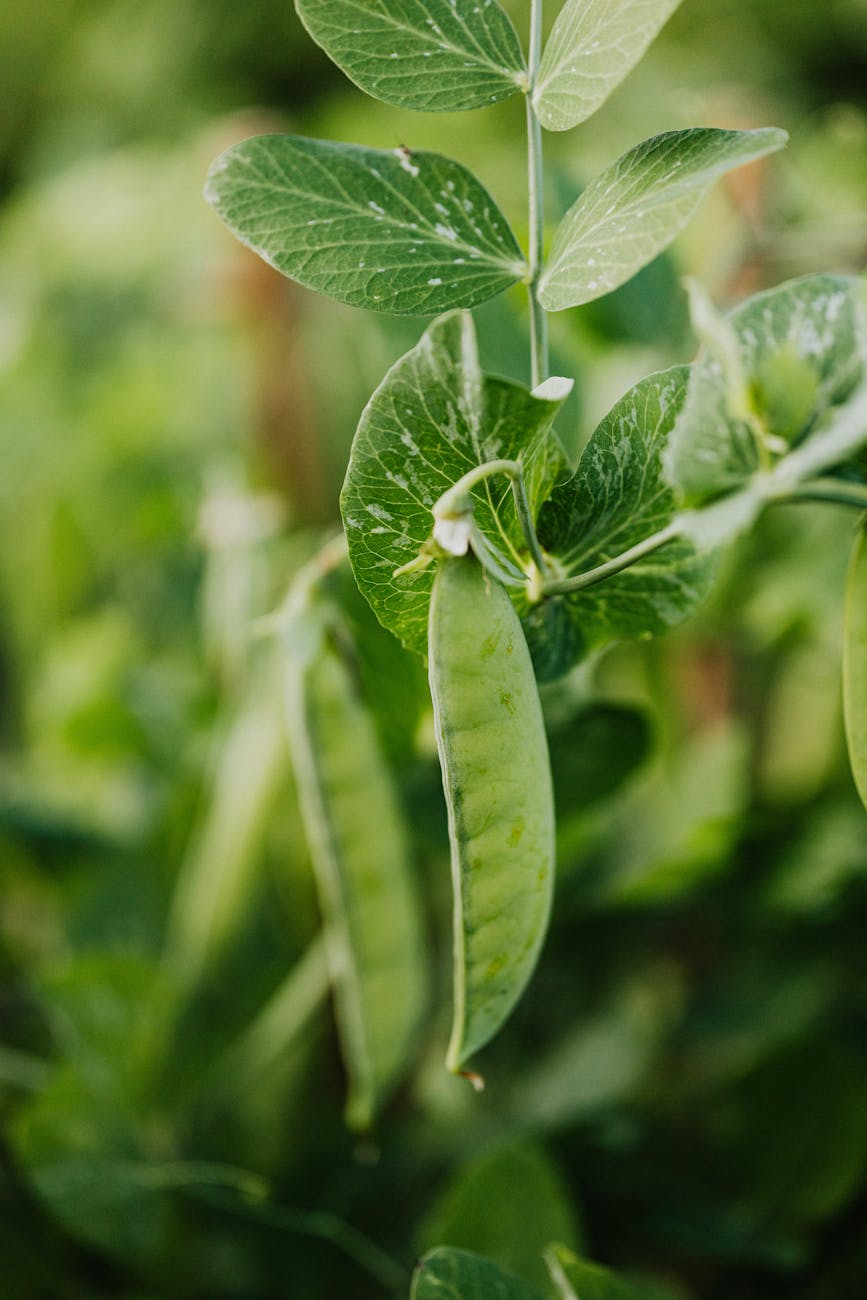
Peas, whether snap, snow, or garden peas, thrive in the cool temperatures of early spring. They can be planted directly into the soil and grow best with a support structure like a trellis or fence. Peas enrich the soil with nitrogen, making them an excellent companion plant for other vegetables.
6. Broccoli
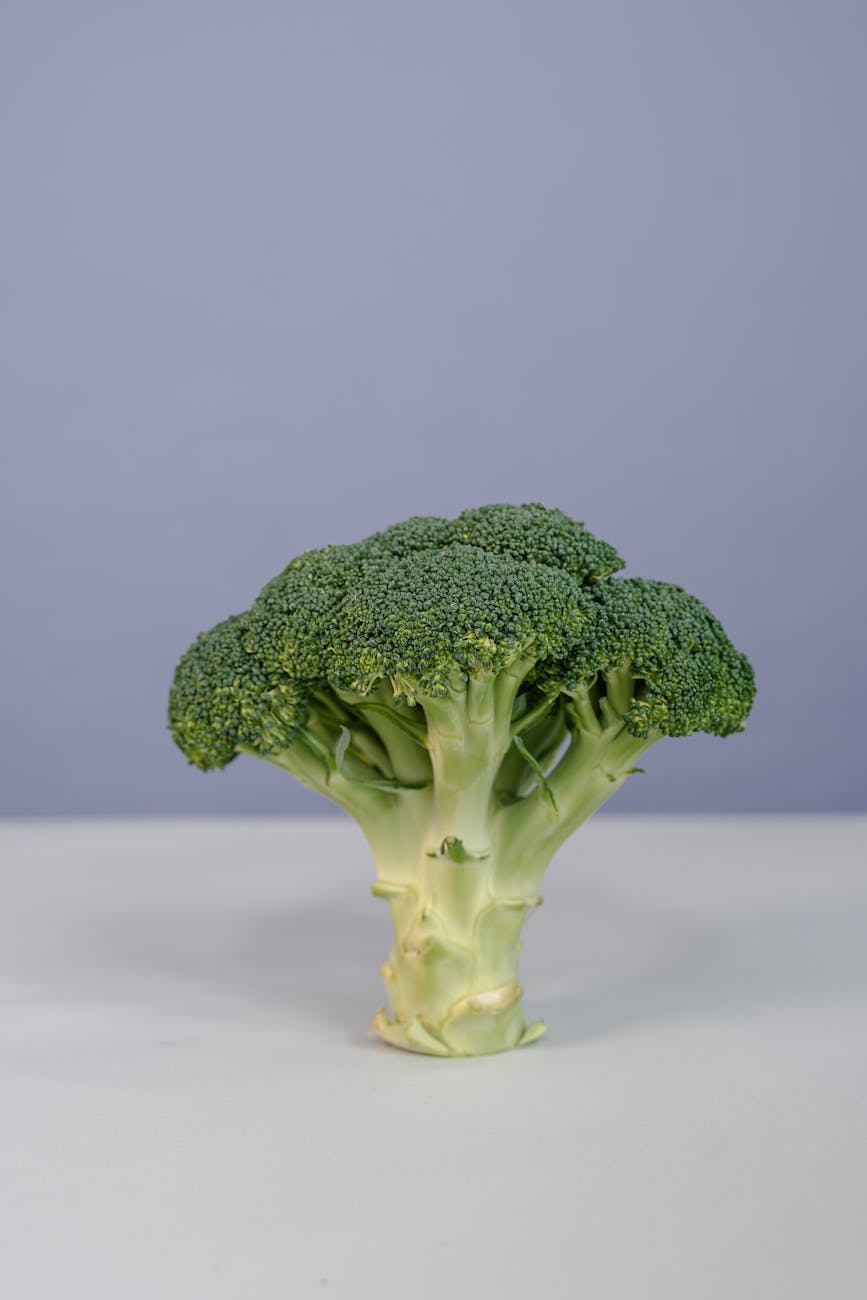
Broccoli is a nutrient-rich vegetable that grows well in spring’s moderate temperatures. It prefers full sun and well-drained soil. To achieve a high yield, plant broccoli early and ensure it gets consistent moisture. Harvesting the main head early can encourage the plant to produce side shoots for extended harvesting.
7. Beets
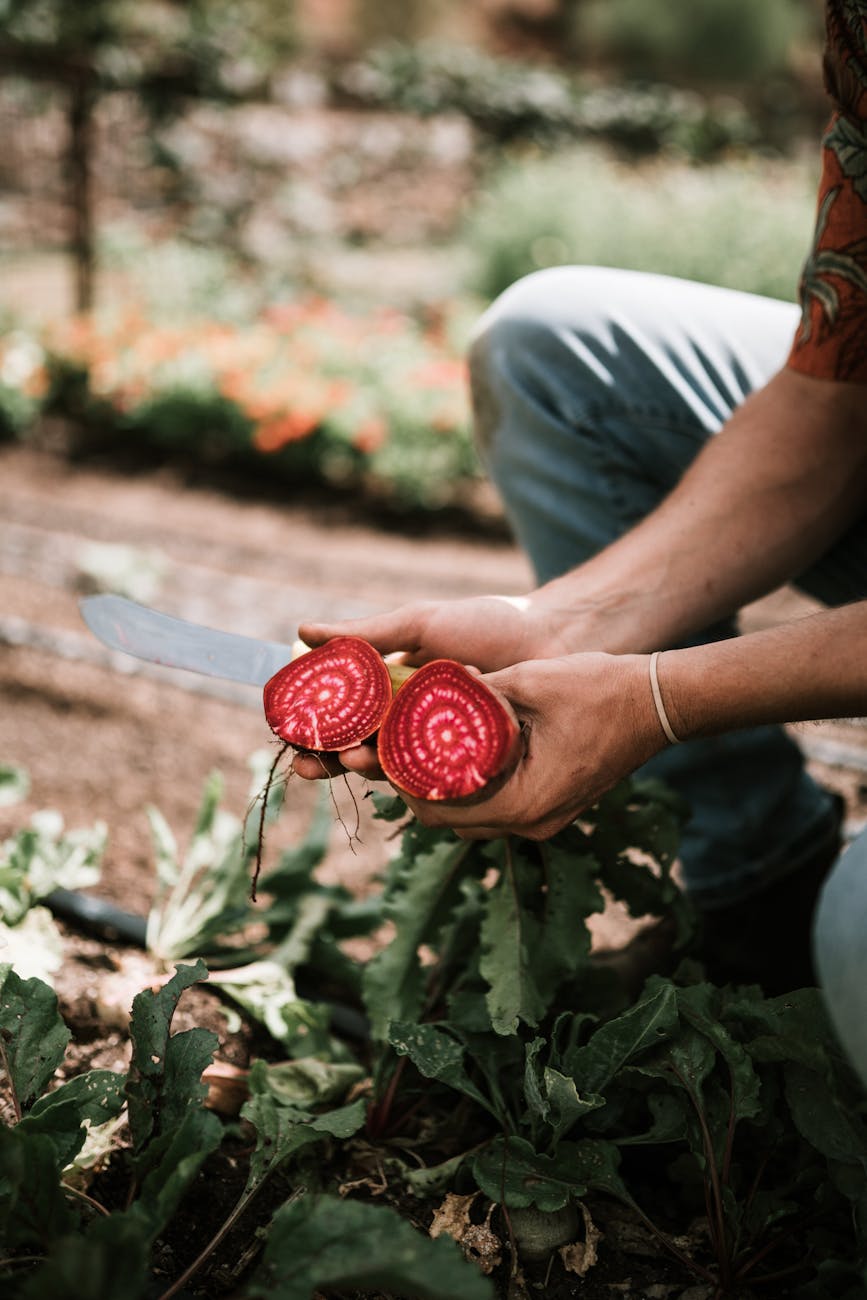
Beets are easy to grow and can be harvested for both their roots and leafy greens. They do well in cool weather and take about 50 to 70 days to mature. Beets prefer well-drained soil and should be planted in succession for a continuous harvest.
8. Cabbage
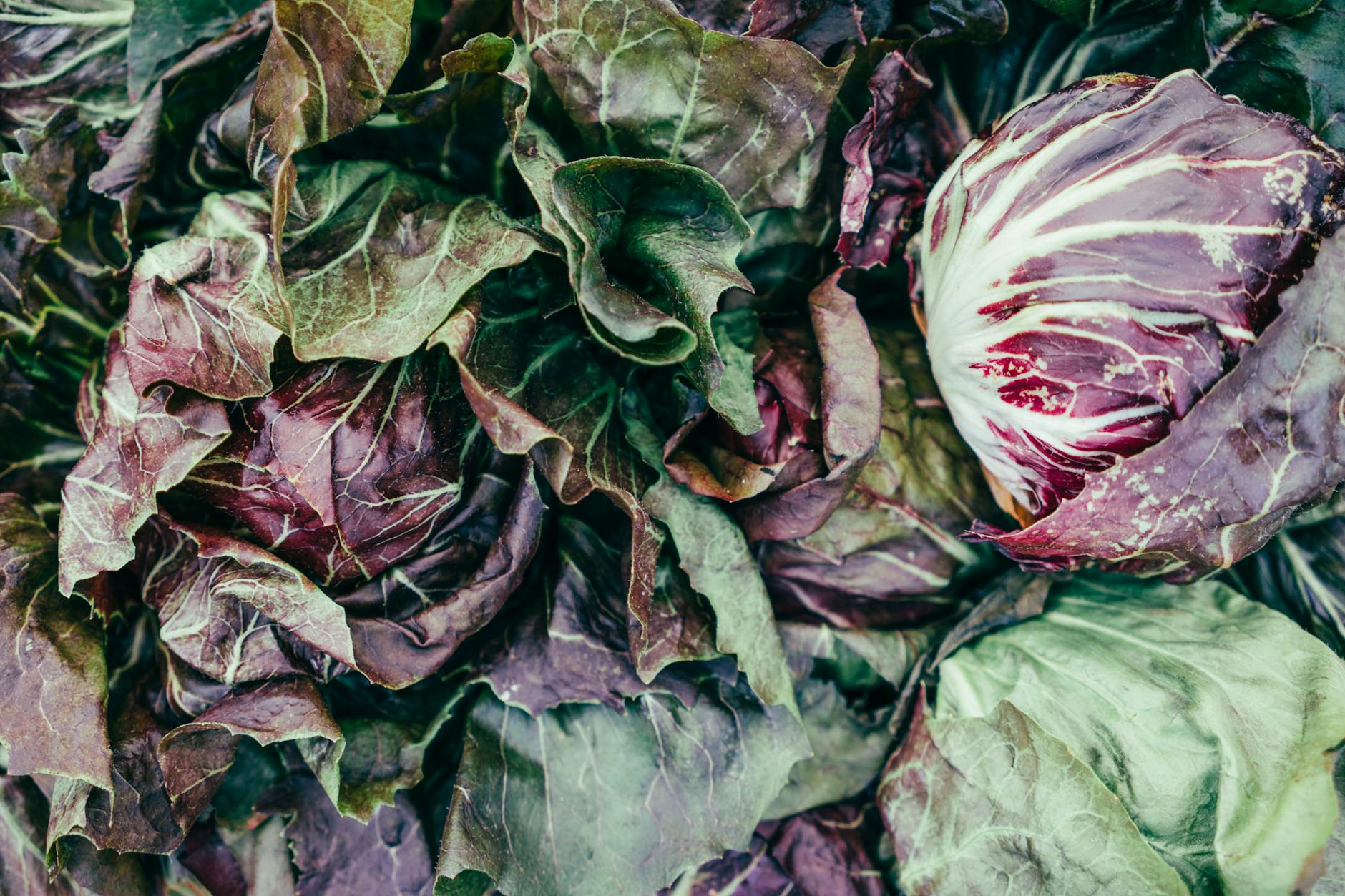
Cabbage is a hardy vegetable that thrives in the cool temperatures of spring. It requires nutrient-rich soil and steady moisture to develop firm, dense heads. Starting seeds indoors and transplanting them into your garden can give them a head start.
9. Swiss Chard
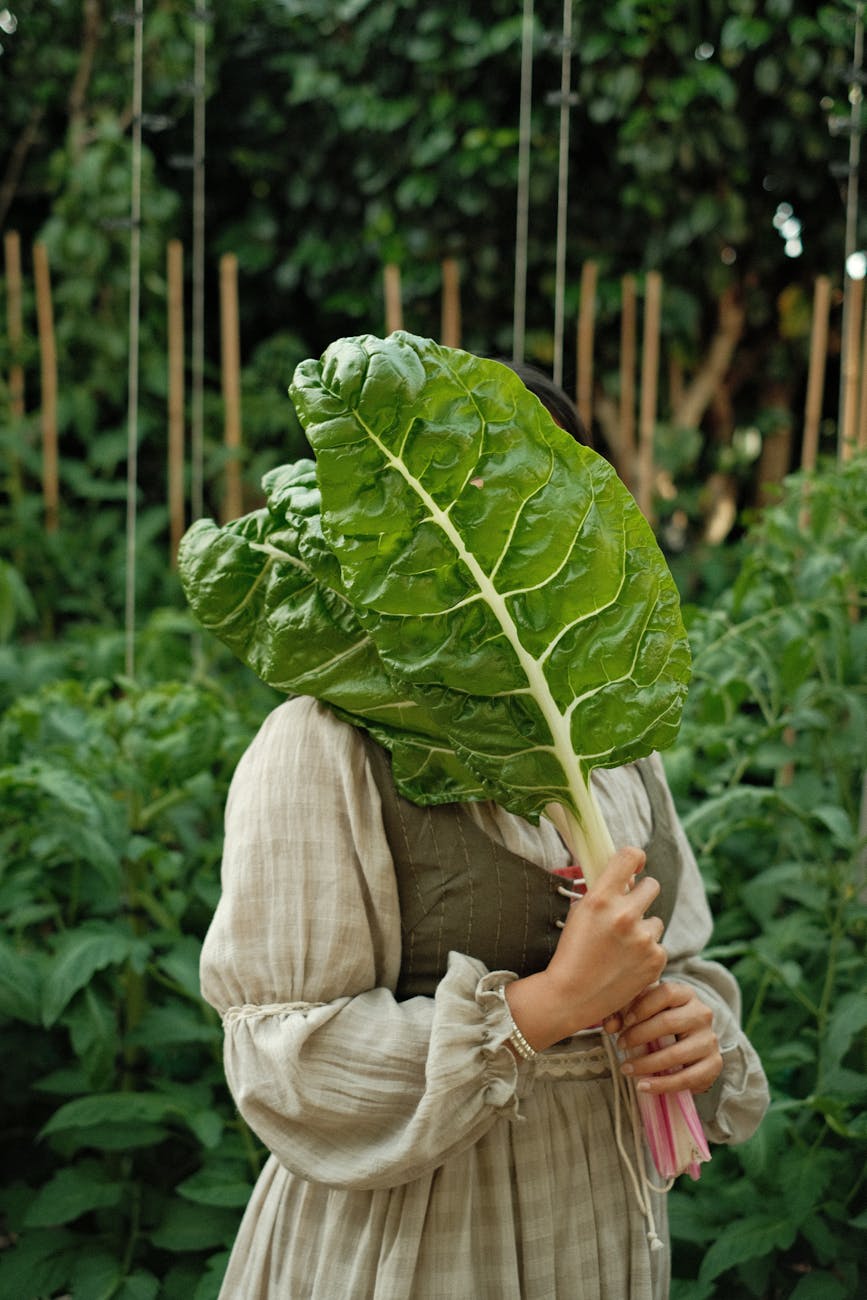
Swiss chard is a versatile green that produces an abundant harvest throughout the season. It grows well in various soil conditions and is relatively low maintenance. Both the leaves and stems are edible, making it a valuable addition to your spring garden.
10. Green Onions (Scallions)
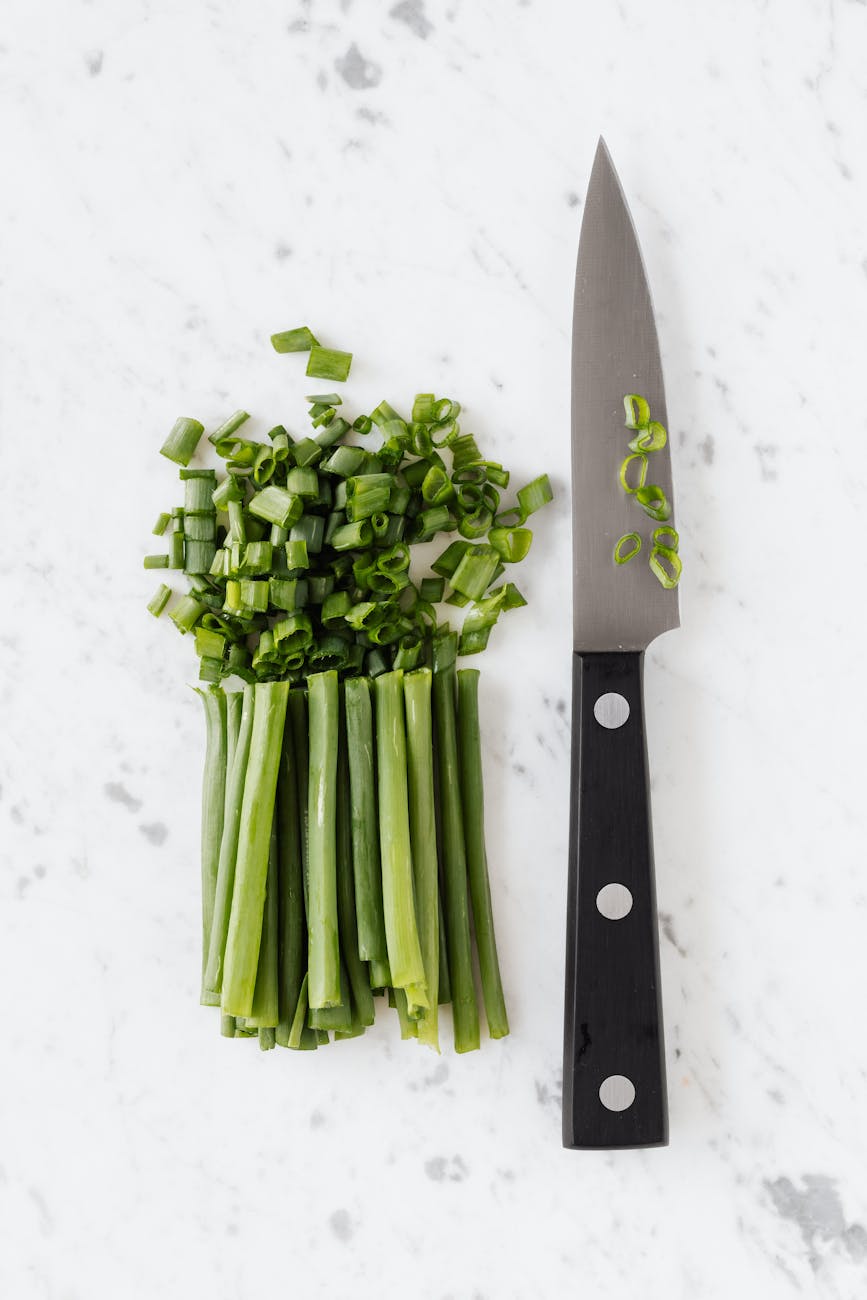
Green onions grow quickly and can be harvested continuously by snipping the tops. They don’t require much space and are perfect for container gardening. Plant them in rich soil with adequate sunlight to enjoy a steady supply of fresh onions.
Tips for a High-Yield Spring Garden
- Choose the right location – Ensure your garden gets at least 6 hours of sunlight daily.
- Prepare the soil – Enrich your soil with compost and organic matter for better nutrient retention.
- Use succession planting – Stagger your plantings to extend the harvest season.
- Monitor pests and diseases – Regularly check plants for signs of pests or diseases and use natural remedies when necessary.
- Water wisely – Keep the soil moist but not waterlogged to prevent root rot.
Spring gardening is rewarding, providing fresh, homegrown vegetables to enjoy all season long. By planting these high-yield crops, you can maximize your harvest and make the most of your garden space. Happy planting!
 Green Garden Journal
Leave a comment