
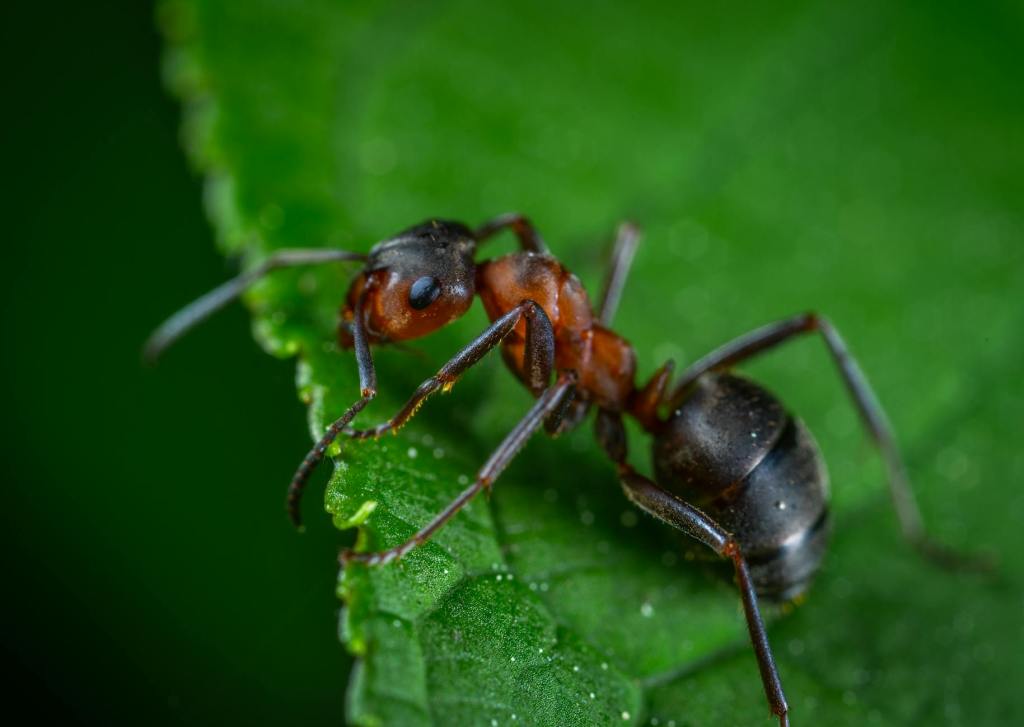
Spring is a time of renewal, with gardens bursting into life. However, with new growth comes an inevitable challenge—pests. Instead of resorting to chemical pesticides that can harm beneficial insects, soil health, and even your own health, organic pest control offers a natural, eco-friendly way to protect your garden. In this guide, we’ll explore effective organic pest control methods to keep your spring garden thriving.
Why Choose Organic Pest Control Over Chemical Pesticides?
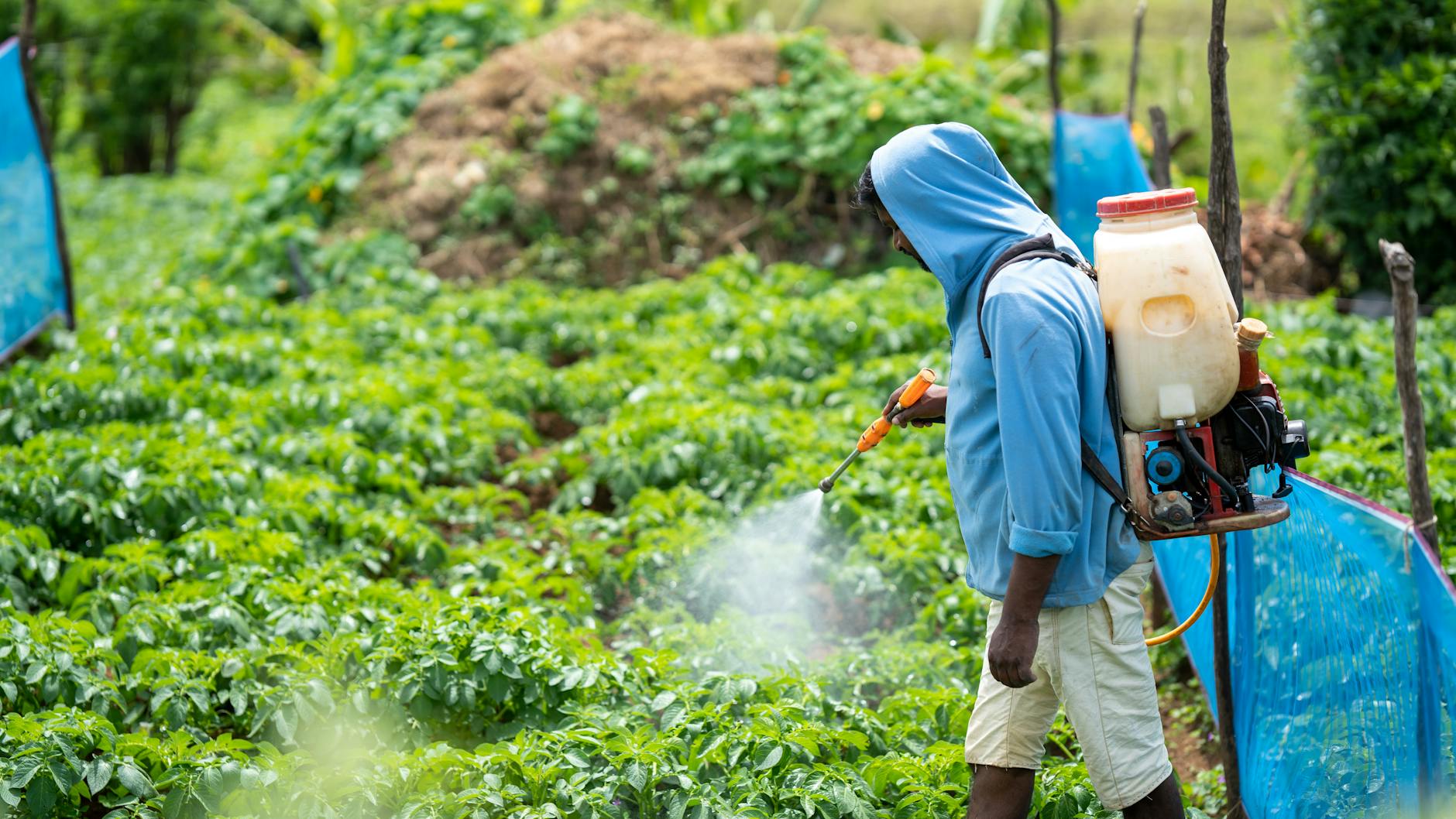
Conventional pesticides may provide quick fixes, but they often come with long-term consequences. Chemical-based solutions can disrupt the ecosystem, harm pollinators like bees and butterflies, and contaminate your food. Organic pest control, on the other hand, promotes biodiversity, improves soil health, and ensures a safer environment for both plants and people.
Common Spring Garden Pests & The Best Organic Methods to Control Them
1. Aphids: Tiny Sap-Sucking Pests That Weaken Plants
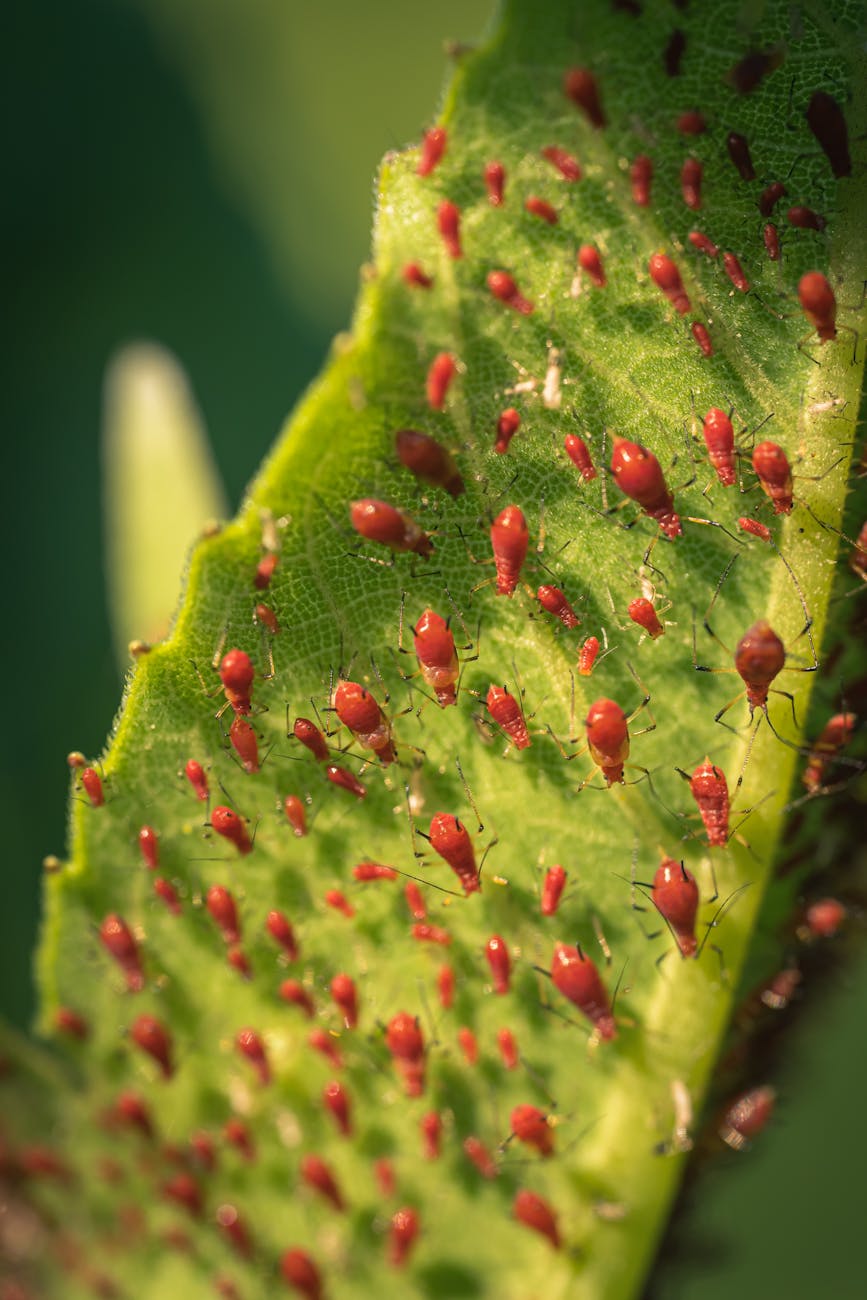
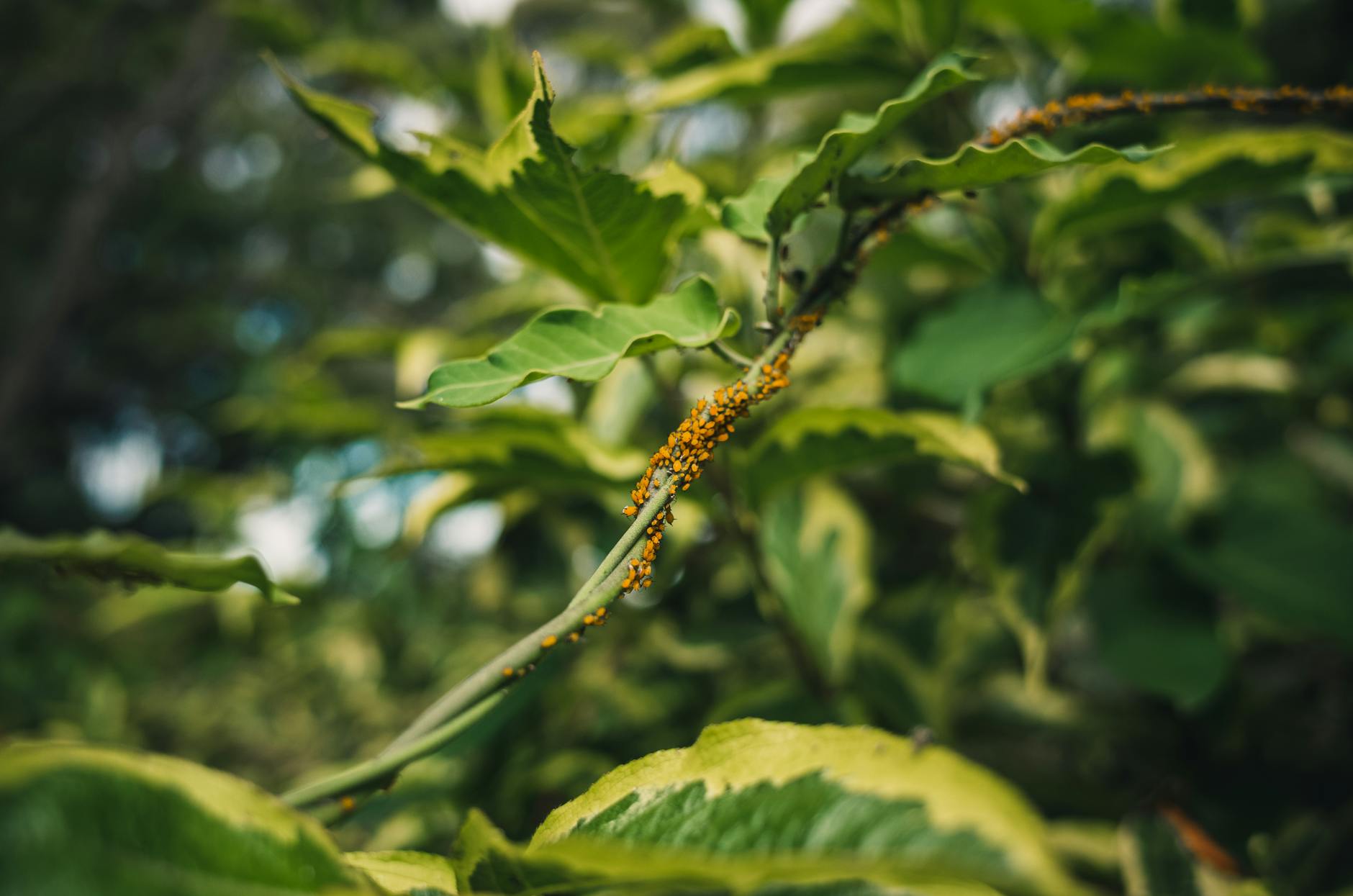
Aphids suck the sap from tender new growth, weakening plants and spreading disease. Organic Solutions:
- Introduce beneficial insects like ladybugs and lacewings, which feed on aphids.
- Spray a mixture of water and neem oil or insecticidal soap to deter them.
- Plant companion plants like marigolds and nasturtiums, which naturally repel aphids.
2. Slugs and Snails: Night time Garden Invaders That Devour Your Plants

These slimy pests can quickly devour young seedlings overnight. Organic Solutions:
- Handpick them early in the morning or late at night.
- Use crushed eggshells, diatomaceous earth, or copper tape around plant bases to deter them.
- Encourage natural predators like frogs and birds by creating a welcoming garden habitat.
3. Caterpillars: Leaf-Munching Insects That Damage Plant Growth
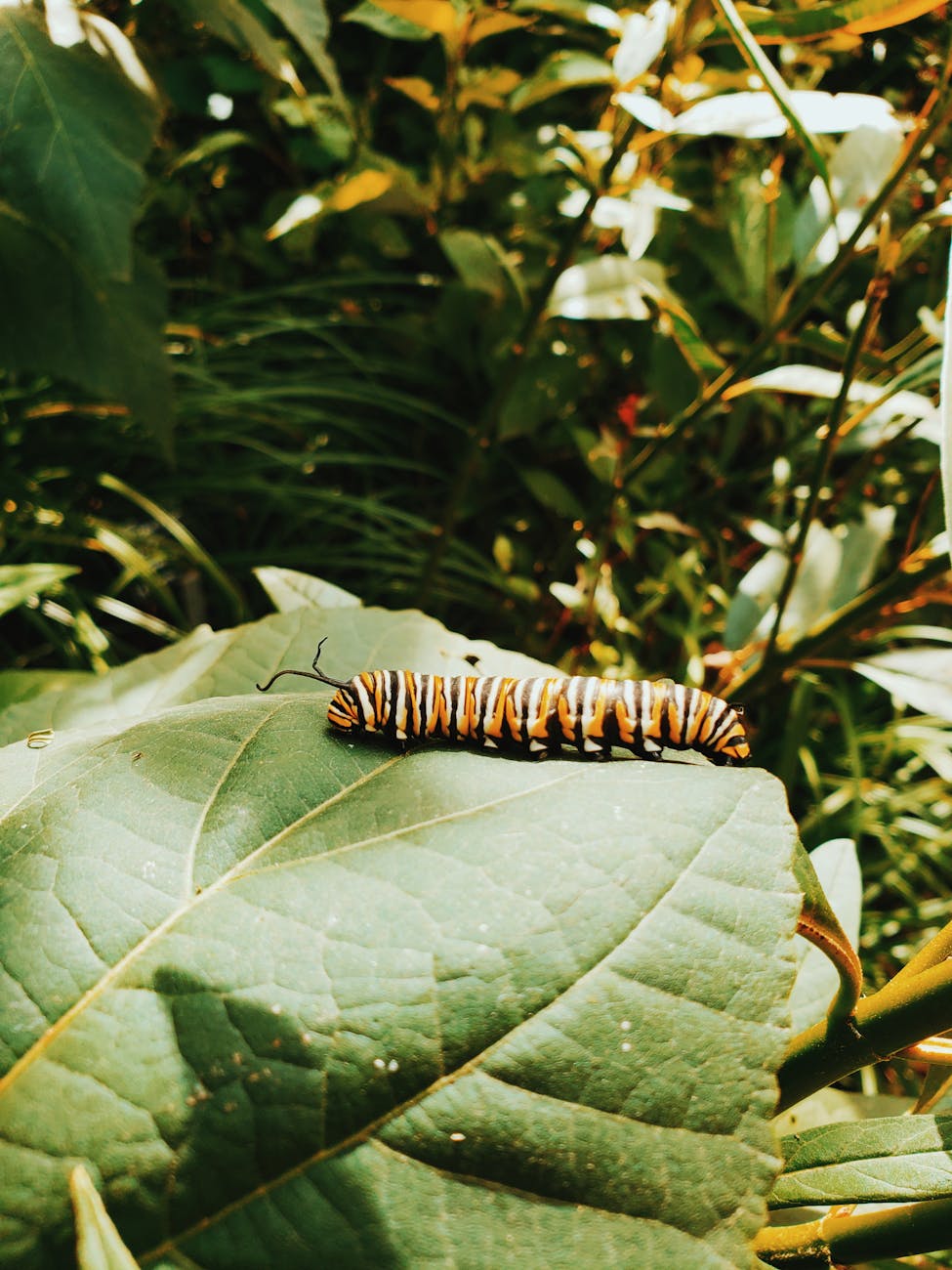
Caterpillars can strip leaves from plants, stunting their growth. Organic Solutions:
- Use Bacillus thuringiensis (Bt), a natural bacterium that targets caterpillars but is safe for beneficial insects.
- Encourage birds by adding bird feeders near your garden.
- Inspect plants regularly and remove caterpillars by hand.
4. Whiteflies: Small Flying Pests That Spread Plant Diseases
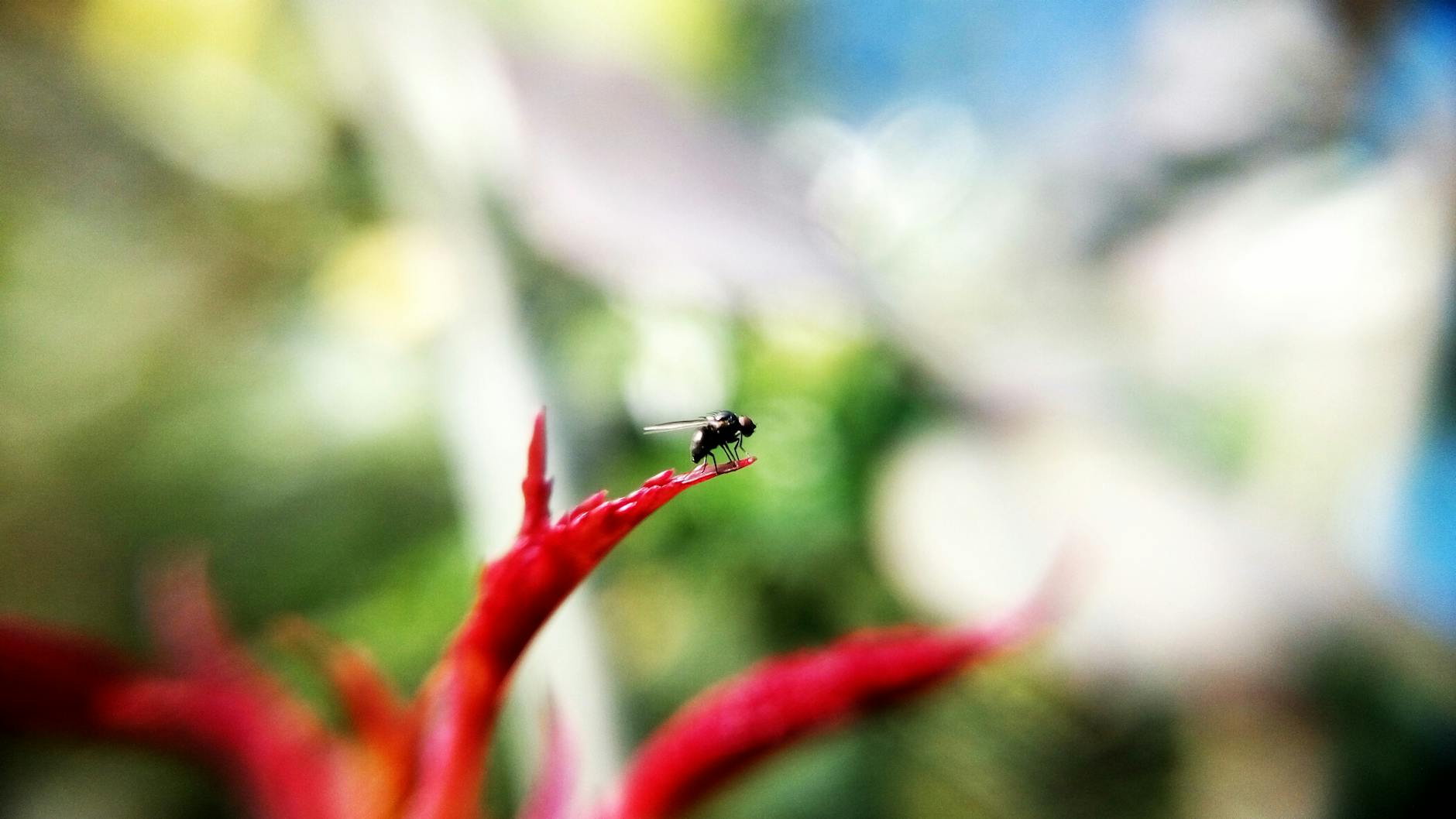
Whiteflies cause damage by sucking plant juices and spreading viruses. Organic Solutions:
- Use yellow sticky traps to monitor and control their population.
- Spray plants with neem oil or a garlic-based spray.
- Introduce natural predators like parasitic wasps.
5. Japanese Beetles: Destructive Garden Pests That Skeletonize Leaves
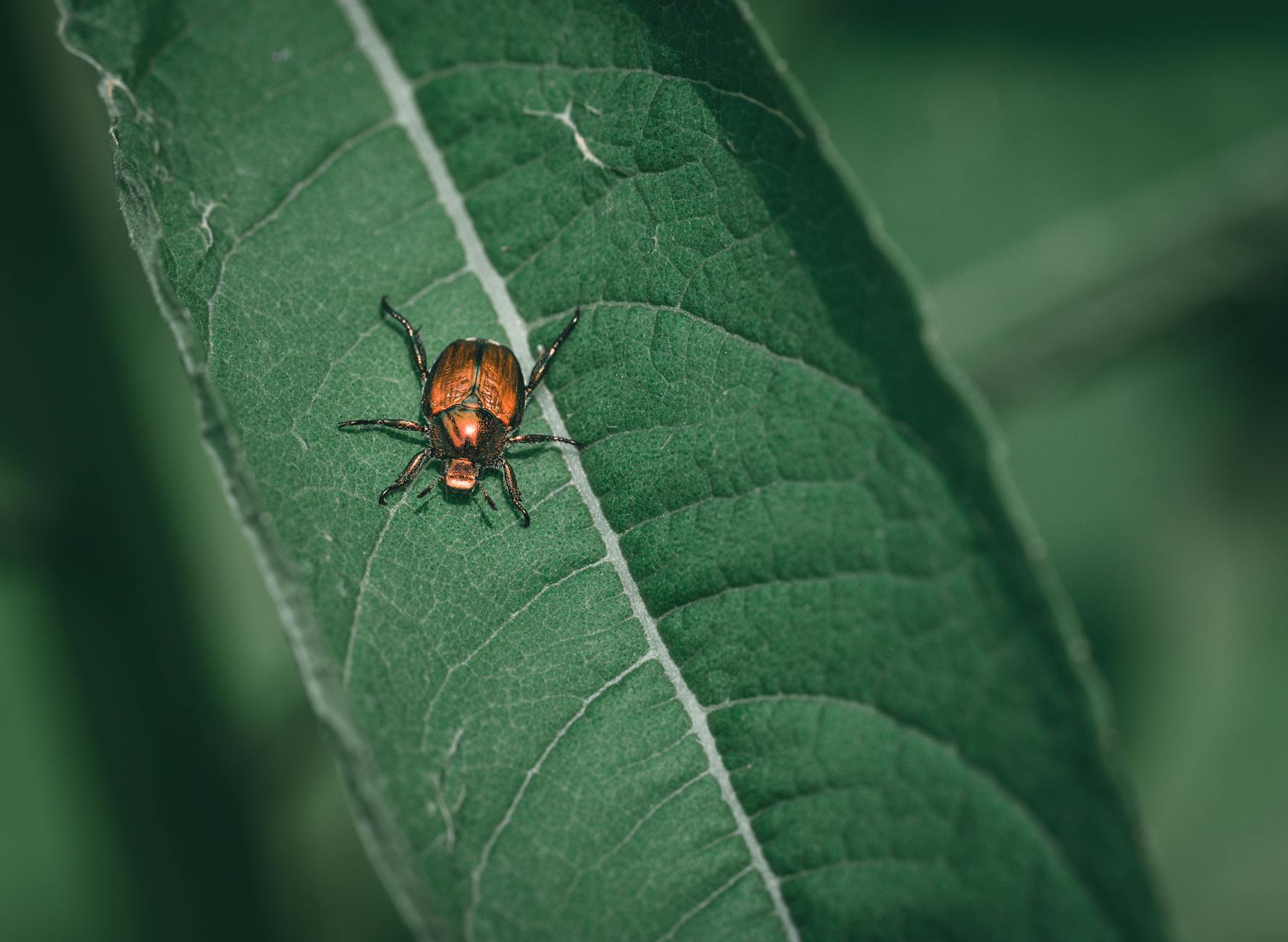
These beetles feast on foliage, flowers, and fruits, leaving skeletonized leaves behind. Organic Solutions:
- Handpick beetles and drop them into a bucket of soapy water.
- Use floating row covers to protect vulnerable plants.
- Apply beneficial nematodes to soil in late spring to reduce larvae populations.
Preventative Measures to Keep Pests Away from Your Garden Naturally

Prevention is key when it comes to organic pest control. Implementing these strategies will help keep pests at bay before they become a problem:
- Crop Rotation: Rotating crops each season prevents pests from establishing a stronghold in your soil.
- Healthy Soil Enrichment: Enriching your soil with compost and organic matter strengthens plants, making them more resistant to pests.
- Companion Planting for Natural Pest Repellent: Pairing plants strategically can naturally deter pests. For example, basil repels mosquitoes and tomato hornworms, while garlic keeps aphids away.
- Mulching to Suppress Weeds and Disrupt Pest Cycles: A layer of organic mulch helps suppress weeds and disrupts pest life cycles.
- Encouraging Beneficial Insects to Act as Natural Predators: Ladybugs, praying mantises, and lacewings act as natural predators to many garden pests.
DIY Organic Pest Sprays to Protect Your Garden Naturally
If pests persist, try making your own organic pest control sprays at home:
- Neem Oil Spray for Multi-Purpose Organic Pest Control: Mix 1 teaspoon of neem oil with 1 quart of water and a few drops of dish soap. Spray on affected plants.
- Garlic & Pepper Spray to Repel a Wide Range of Garden Pests: Blend 2 cloves of garlic, 1 hot pepper, and 1 cup of water. Strain and dilute with an additional quart of water before applying.
- Soap Spray for Soft-Bodied Insect Infestations: Mix 1 tablespoon of organic liquid soap with 1 quart of water. This helps eliminate soft-bodied insects like aphids and whiteflies.
Final Thoughts on Organic Pest Control for a Thriving Garden
Organic pest control is not only effective but also enhances the overall health of your garden. By using natural deterrents, beneficial insects, and DIY pest sprays, you can keep your spring garden vibrant and free from harmful chemicals. Implement these eco-friendly techniques to cultivate a lush, thriving garden that’s safe for you, your family, and the environment.
Happy gardening!
Have any tried-and-true organic pest control tips? Share them in the comments below!
 Green Garden Journal
Leave a comment