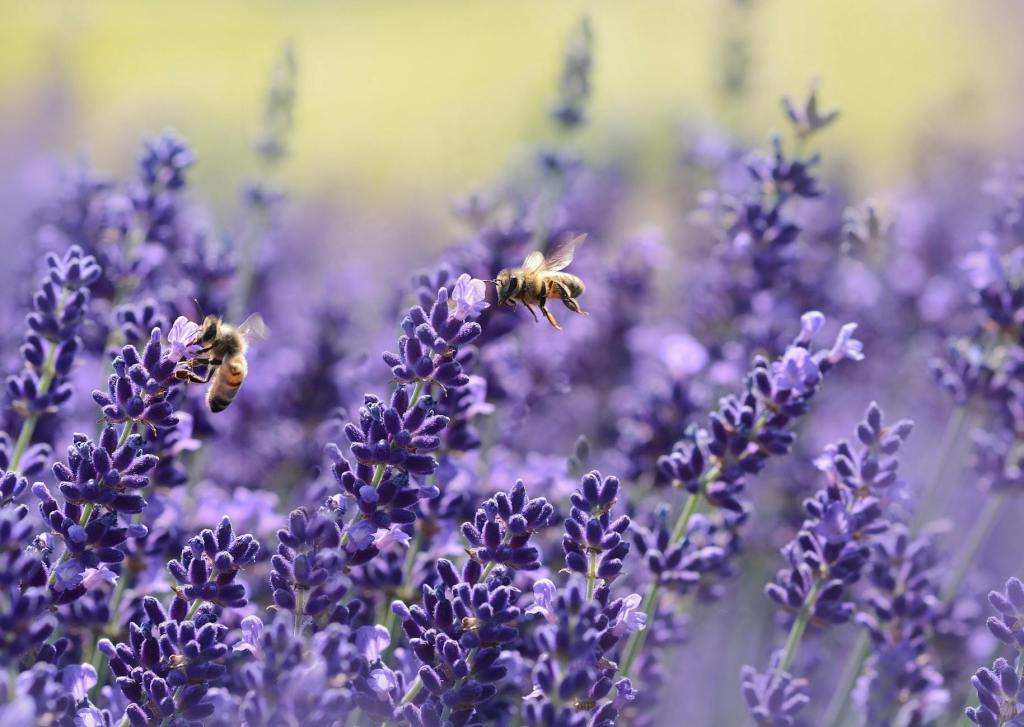
Creating a wildflower garden isn’t just about adding a splash of color to your yard—it’s about supporting biodiversity, attracting essential pollinators like bees and butterflies, and contributing to a healthier ecosystem. Whether you have a sprawling backyard or a small balcony, you can cultivate a beautiful and buzzing pollinator paradise.
Why Grow a Wildflower Garden for Bees & Pollinators?
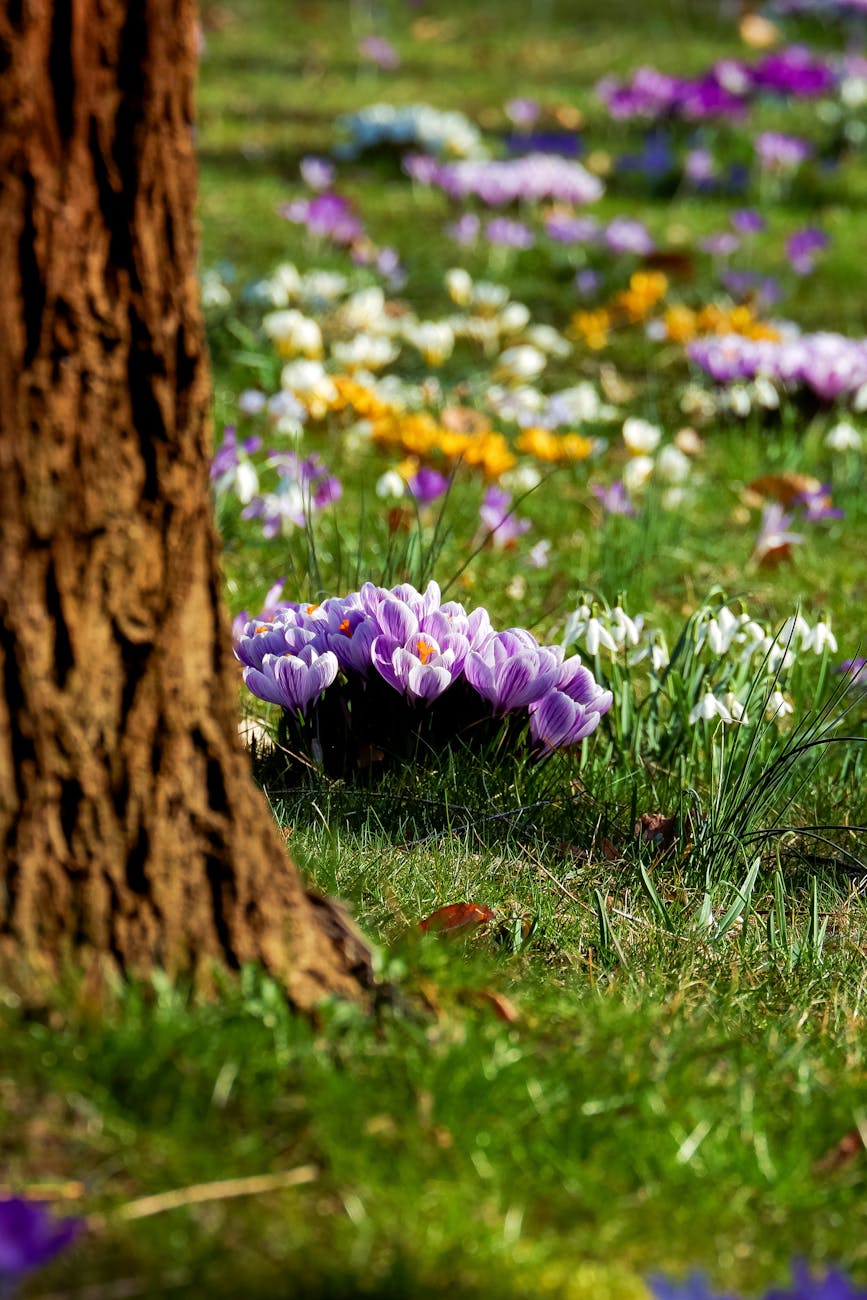
Bees, butterflies, hummingbirds, and other pollinators play a crucial role in food production and maintaining plant life. Unfortunately, habitat loss, pesticides, and climate change have led to declining pollinator populations. A wildflower garden provides these vital creatures with food, shelter, and a safe place to thrive.
The Importance of Pollinators
Pollinators are responsible for fertilizing plants, allowing them to produce fruits, vegetables, and seeds. Without them, many of the foods we enjoy—such as apples, almonds, and tomatoes—would become scarce. By planting a pollinator-friendly garden, you help sustain their populations and, in turn, the global food supply.
Choosing the Right Location
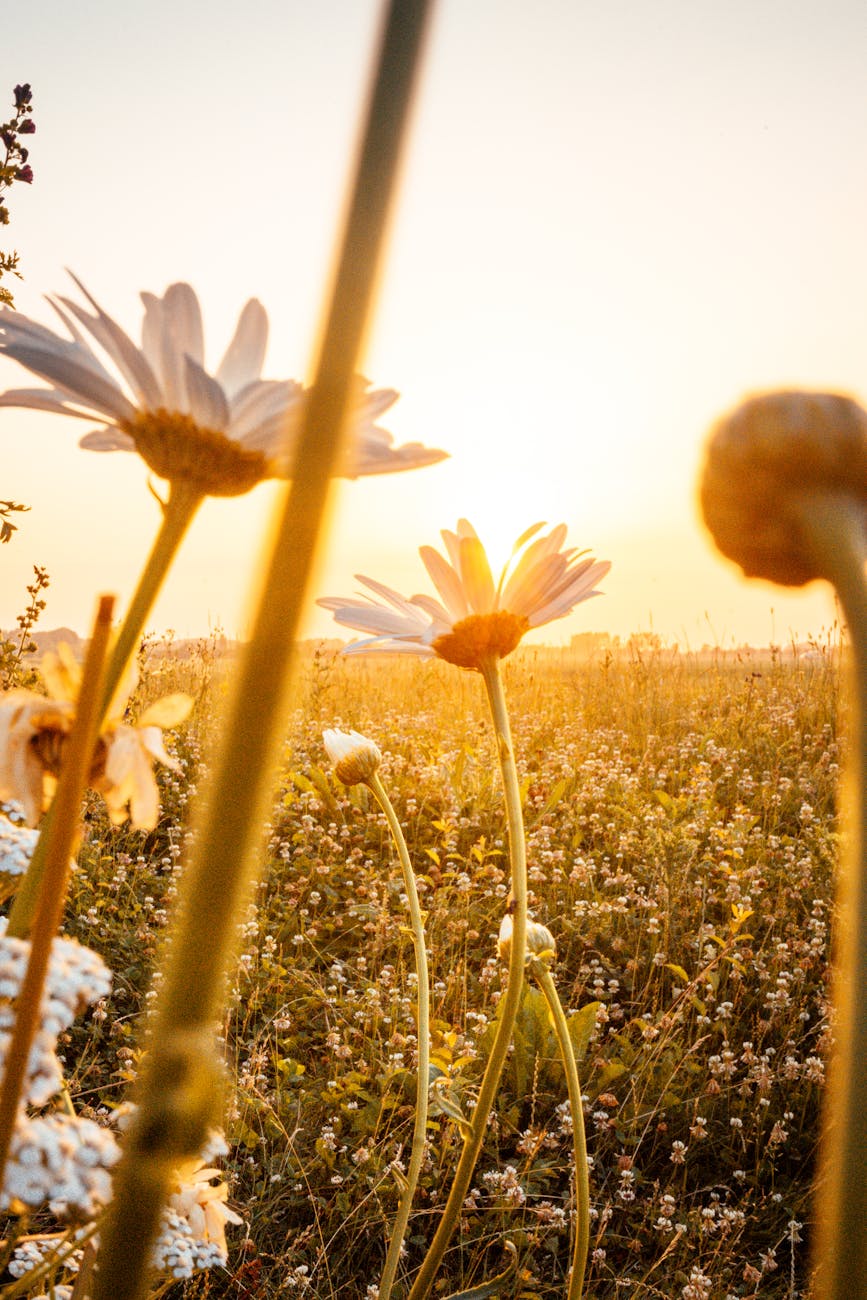
Selecting the perfect spot for your wildflower garden is key to success. Most wildflowers thrive in full sun, so pick an area that gets at least six hours of direct sunlight per day. If you’re working with limited space, consider planting in raised beds, window boxes, or even vertical gardens.
Factors to Consider
- Sunlight: Wildflowers need ample sunlight to thrive. Observe your yard throughout the day to determine the best location.
- Soil Type: While many wildflowers are adaptable, ensuring well-draining soil with some organic matter will help them grow stronger.
- Proximity to Pollinators: Planting near existing trees, hedges, or water sources can attract pollinators more effectively.
Selecting the Best Wildflowers for Pollinators
Not all flowers are equally beneficial to bees and pollinators. To create a garden that truly supports biodiversity, choose native wildflowers that bloom at different times throughout the growing season. This ensures a consistent food source for pollinators. Some excellent choices include:
- Purple Coneflower (Echinacea) – A favorite among bees and butterflies
- Milkweed (Asclepias) – Essential for monarch butterflies
- Black-Eyed Susan (Rudbeckia) – Bright, cheerful, and loved by pollinators
- Lavender (Lavandula) – Highly fragrant and a bee magnet
- Bee Balm (Monarda) – Attracts hummingbirds, bees, and butterflies
- Sunflowers (Helianthus) – A great pollen and nectar source
- Wild Bergamot (Monarda fistulosa) – Supports bees, butterflies, and hummingbirds
- Goldenrod (Solidago) – Late-season nectar source for bees and butterflies
Choosing Native Plants
Native plants are adapted to local climates and ecosystems, making them more resilient and better suited to support native pollinators. Check with your local extension office or native plant society to find out which wildflowers are best for your area.
Preparing the Soil
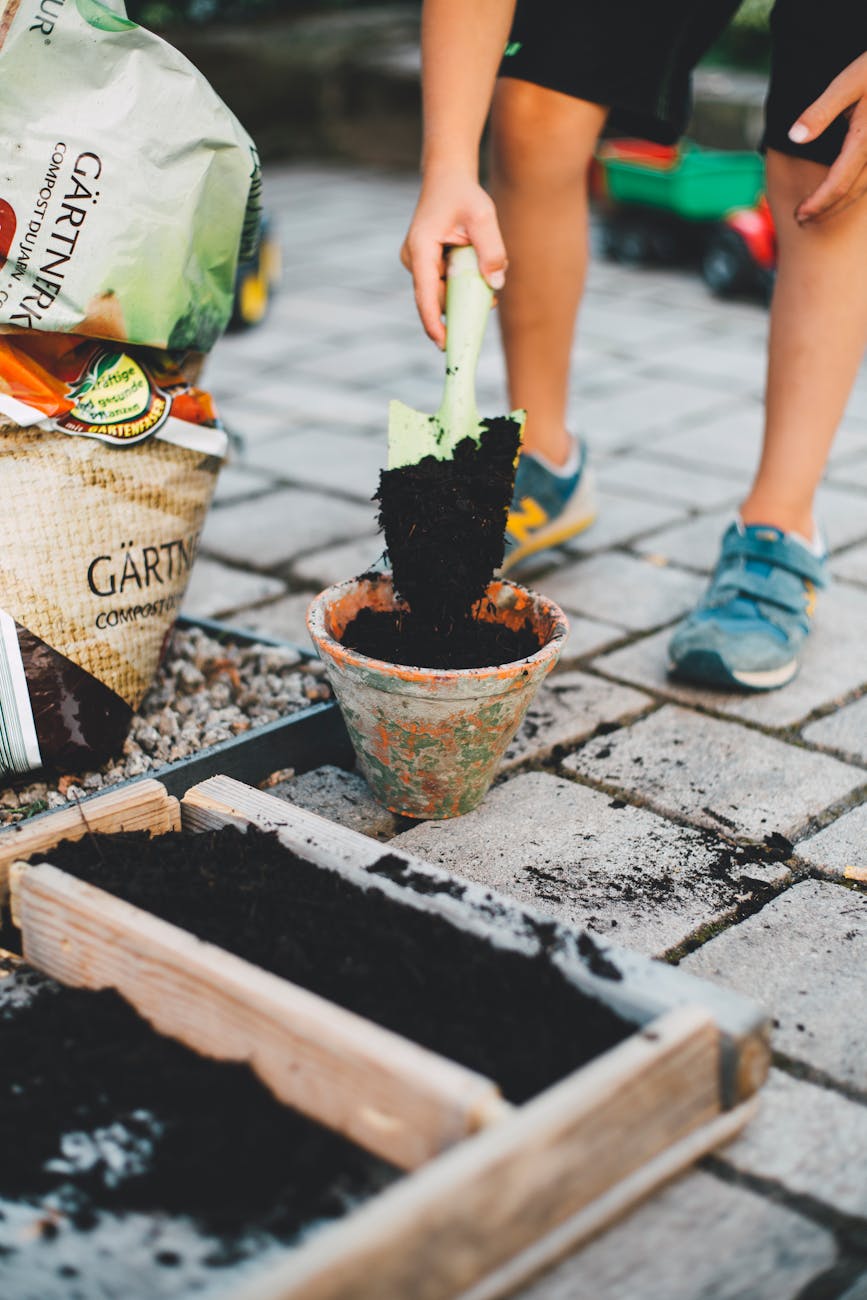
Wildflowers are hardy, but they still need a good foundation to thrive. Prepare your soil by clearing away grass and weeds, loosening the earth, and adding organic compost for nutrients. Avoid using chemical fertilizers or pesticides, as these can be harmful to pollinators.
Step-by-Step Soil Preparation
- Remove Weeds & Grass: Clear the area of invasive plants that might compete with your wildflowers.
- Loosen the Soil: Use a rake or hoe to break up compacted soil, allowing roots to spread easily.
- Add Organic Matter: Compost or aged manure improves soil structure and provides essential nutrients.
- Avoid Pesticides: Chemical treatments can harm pollinators, so opt for organic methods if pest control is needed.
Planting Your Wildflower Garden
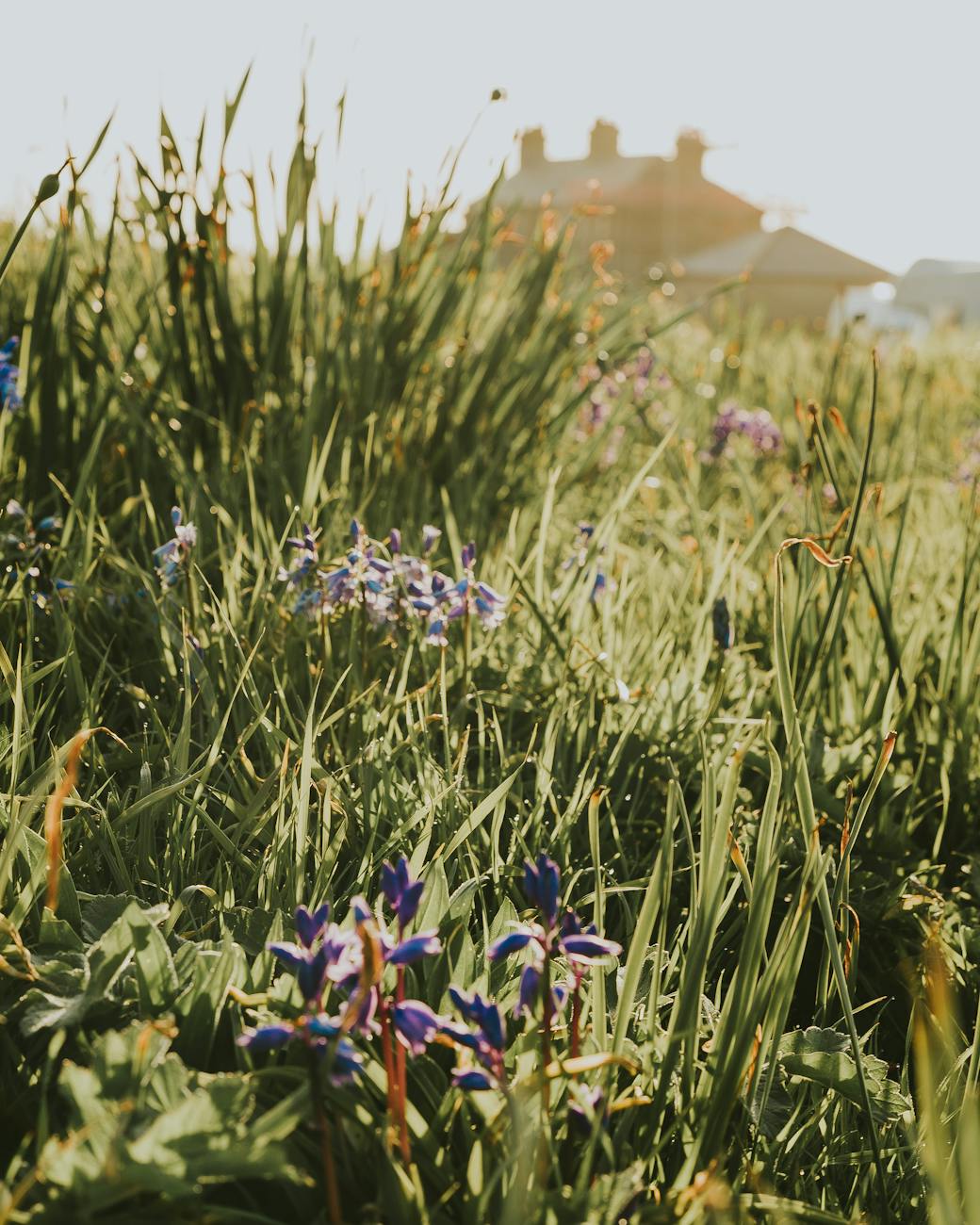
You can start your wildflower garden from seeds, transplants, or a mix of both. For a natural meadow-like appearance, scatter wildflower seeds evenly across the soil and lightly rake them in. Water gently to help with germination.
Best Time to Plant
- Spring: Ideal for starting a new garden with a mix of annual and perennial wildflowers.
- Fall: Allows seeds to overwinter, leading to earlier blooms in the spring.
Maintaining Your Pollinator-Friendly Garden
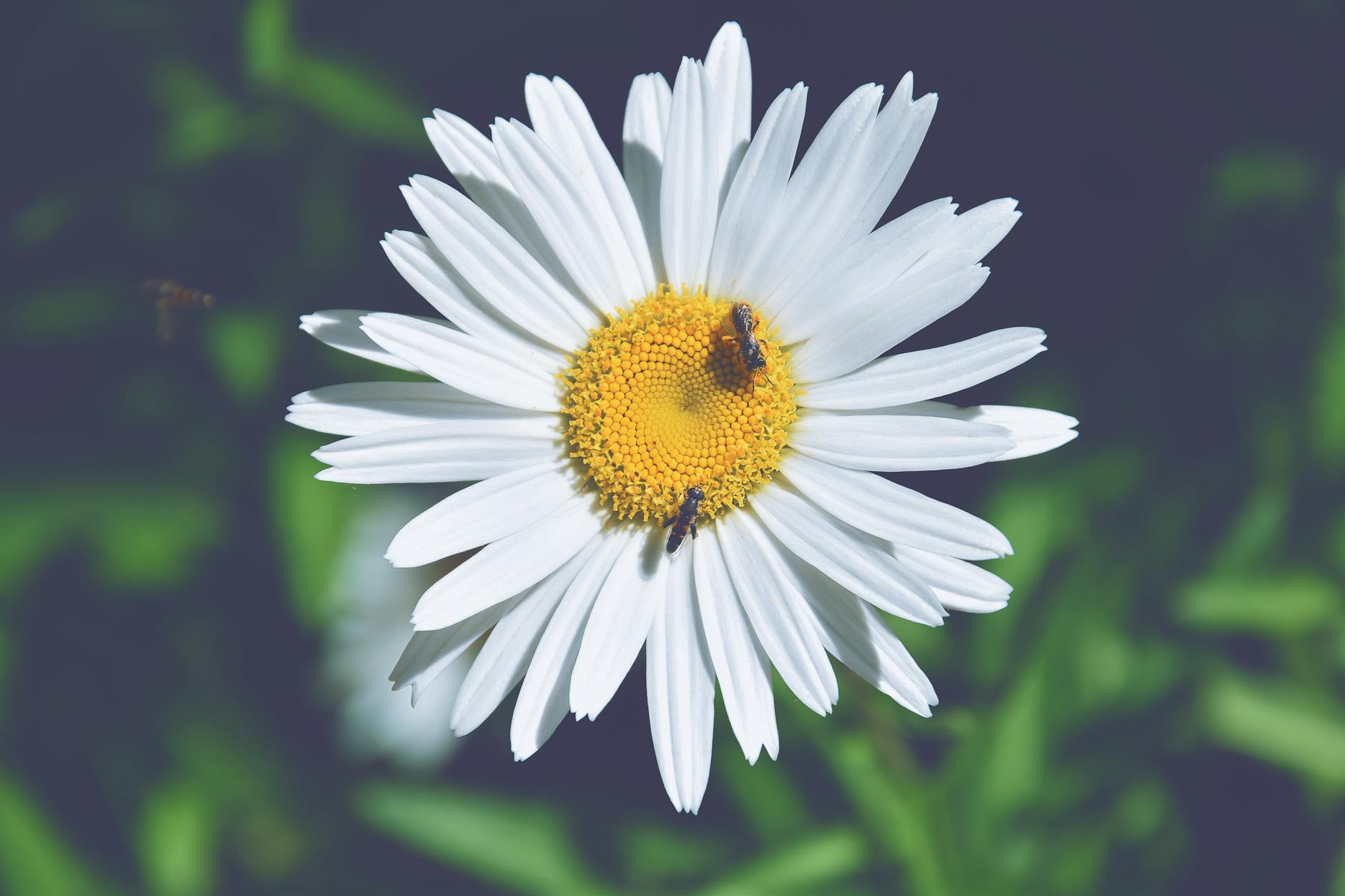
Once your wildflowers begin to grow, minimal maintenance is needed. Follow these simple steps to keep your garden thriving:
- Watering: Water your plants regularly, especially during dry spells.
- Weeding: Remove invasive weeds that may compete with your wildflowers.
- Mulching: Use a light layer of mulch to retain moisture and suppress weeds.
- Avoid Chemicals: Skip pesticides and herbicides to keep your garden safe for pollinators.
- Deadheading: Remove spent flowers to encourage more blooms.
- Support Natural Regrowth: Allow some flowers to go to seed so they can reseed naturally for the next season.
Creating a Safe Haven for Pollinators
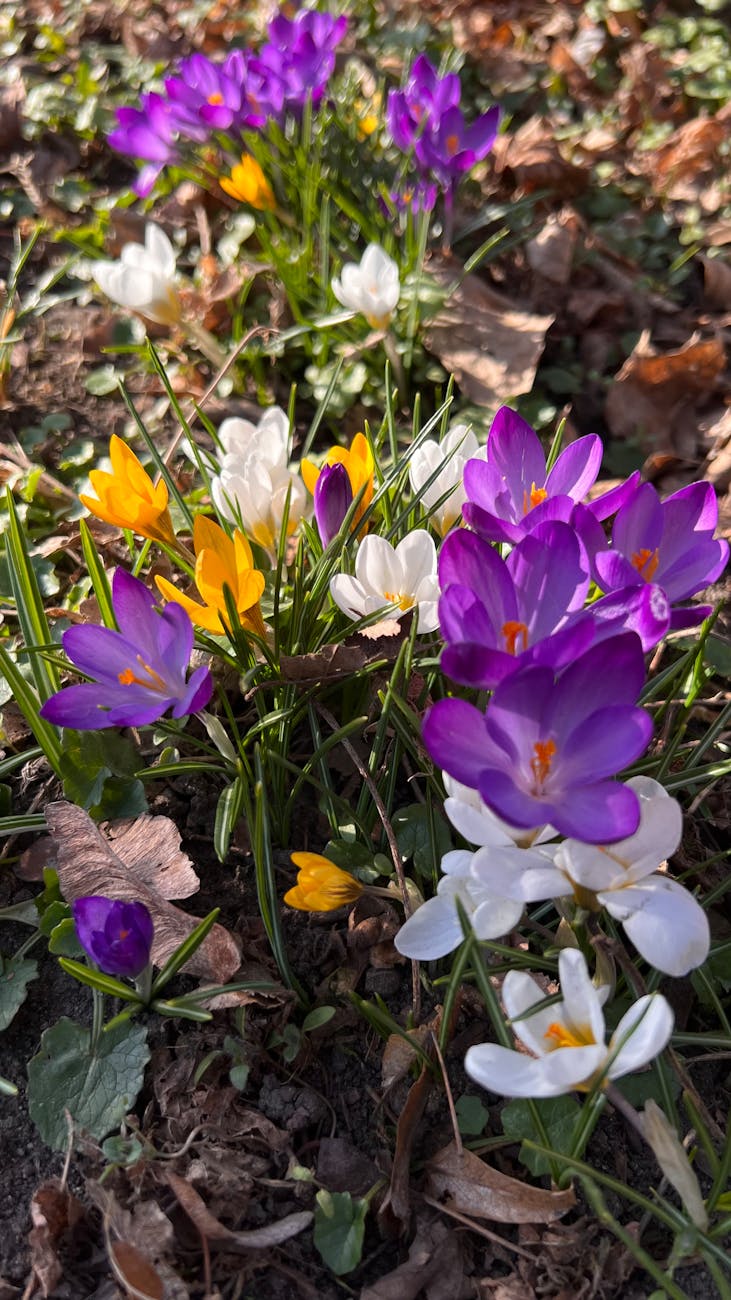
In addition to planting flowers, consider adding bee-friendly features to your garden:
- Bee Hotels: Provide shelter for solitary bees.
- Shallow Water Dishes: Place stones or marbles in a shallow dish filled with water so pollinators can drink safely.
- Native Grasses & Shrubs: These provide additional habitat and nesting areas.
- Log Piles & Bare Ground: Some bees nest underground or in decaying wood, so leaving natural elements can provide homes for them.
Additional Tips for a Thriving Wildflower Garden
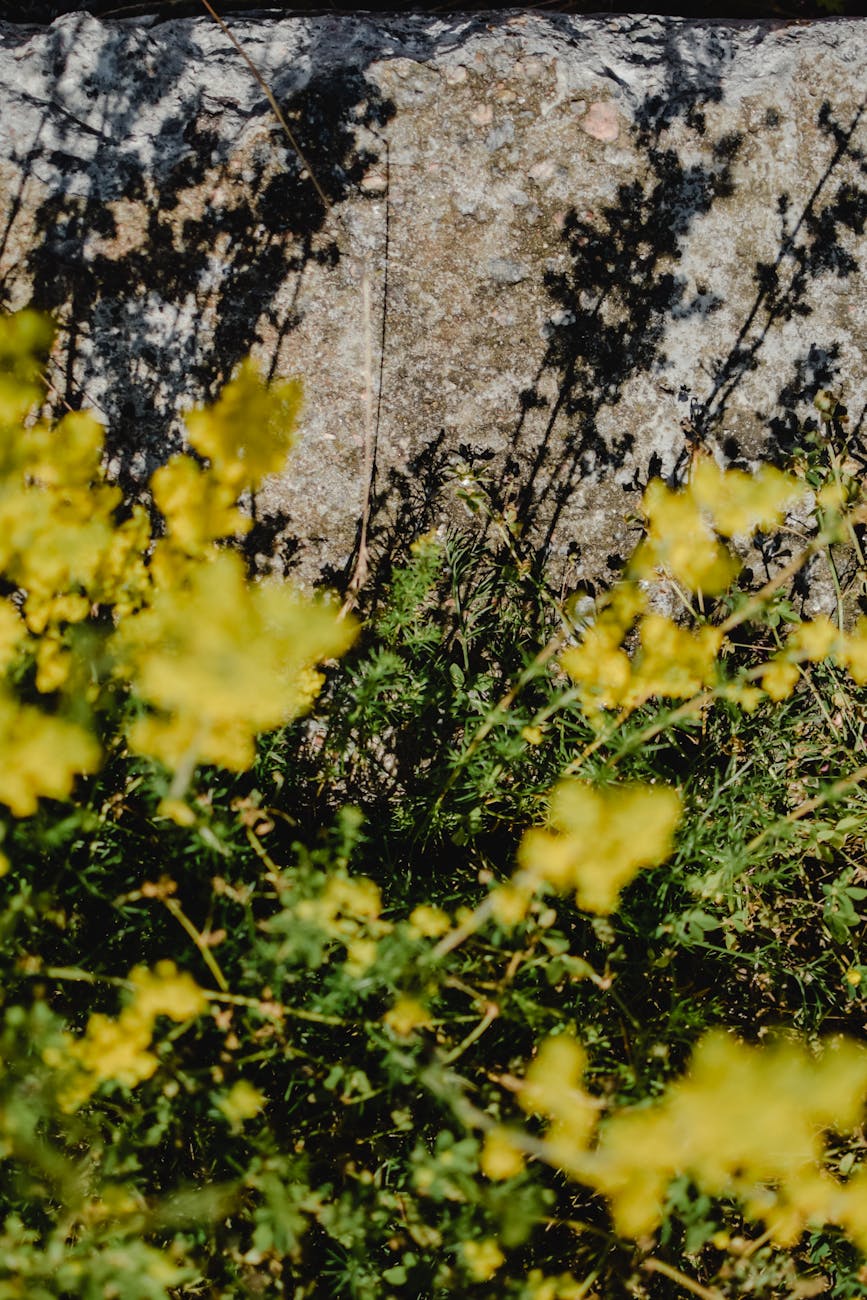
- Group Flowers by Color: Bees and butterflies are attracted to clusters of the same flower species.
- Plant Different Heights: Layered planting provides shelter and a variety of feeding spots.
- Let It Grow Wild: Avoid over-pruning or removing dead plants too quickly, as they can serve as shelter.
- Host Pollinator Workshops: Educate neighbors and community members about the importance of pollinators.
Enjoy the Beauty and Benefits of Your Wildflower Garden

Growing a wildflower garden for bees and pollinators is a rewarding way to support the environment while creating a stunning outdoor space. As your garden flourishes, you’ll enjoy watching a variety of butterflies, hummingbirds, and buzzing bees bringing life to your yard. By making small changes in your landscape, you’re making a big difference for pollinators and the planet.
Are you ready to transform your yard into a haven for pollinators? Start planting today and watch your garden bloom with life!
 Green Garden Journal
Leave a comment