
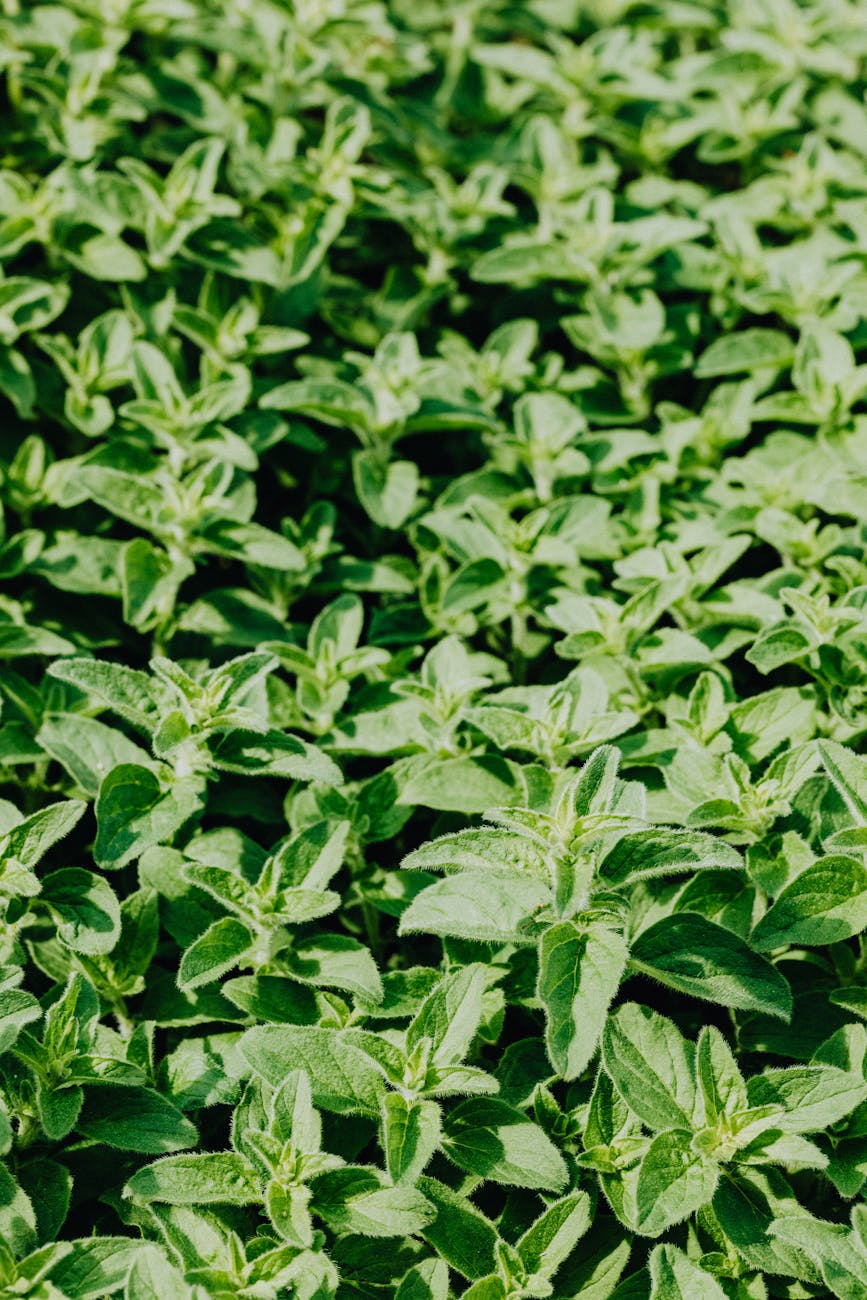
Spring is the perfect time to start growing your own fresh herbs! Whether you have a garden, a small balcony, or just a sunny windowsill, growing herbs indoors and outdoors is easier than you think. Fresh herbs add flavor to your meals, provide natural remedies, and even improve air quality. This guide will walk you through everything you need to know to start your own herb garden this spring.
Choosing the Right Herbs
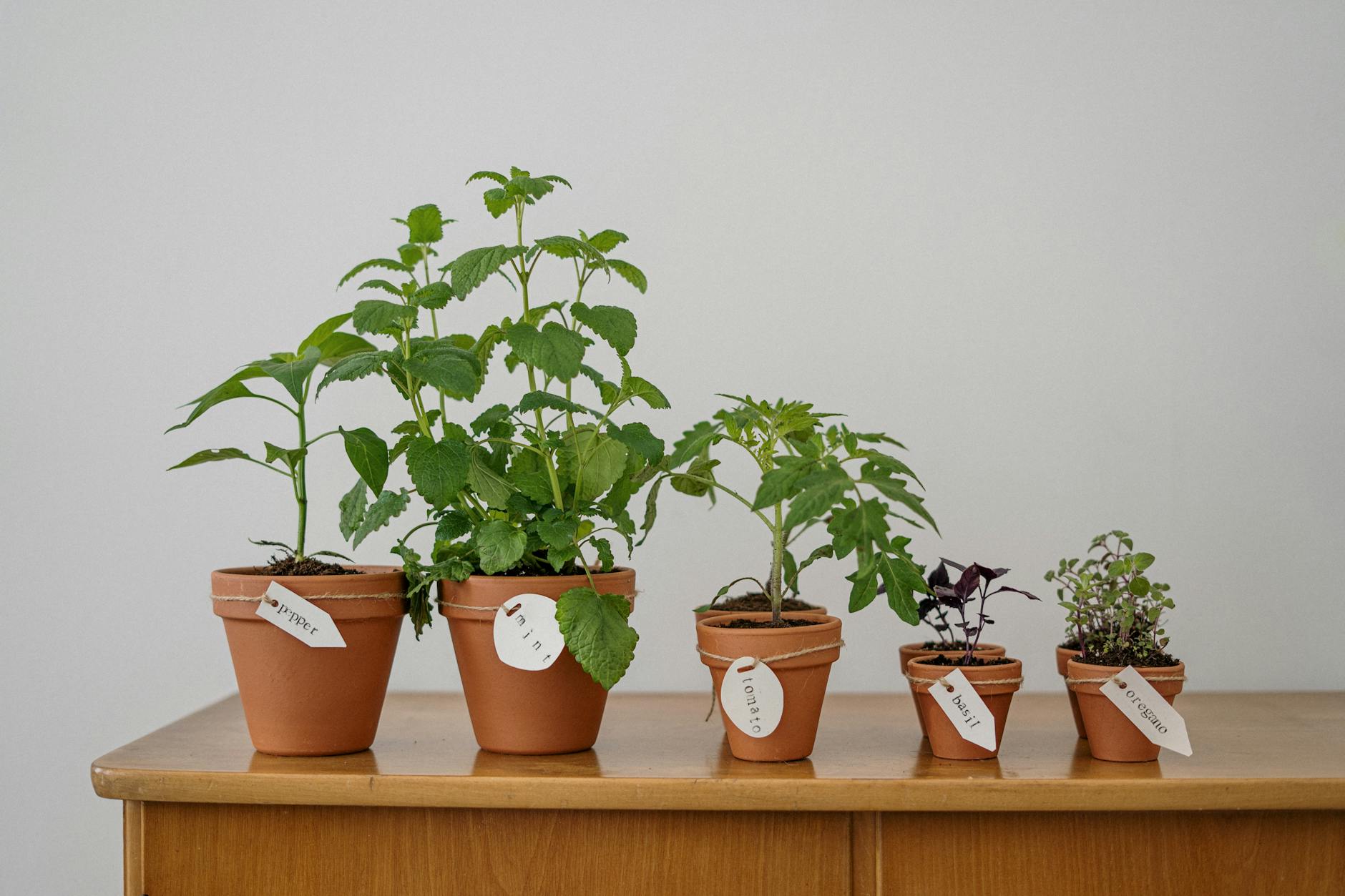
Not all herbs thrive in the same conditions. Some are better suited for indoor growing, while others flourish outdoors. Choosing the right herbs based on your available space and growing conditions is the first step toward a successful herb garden.
Best Herbs for Indoor Growing:
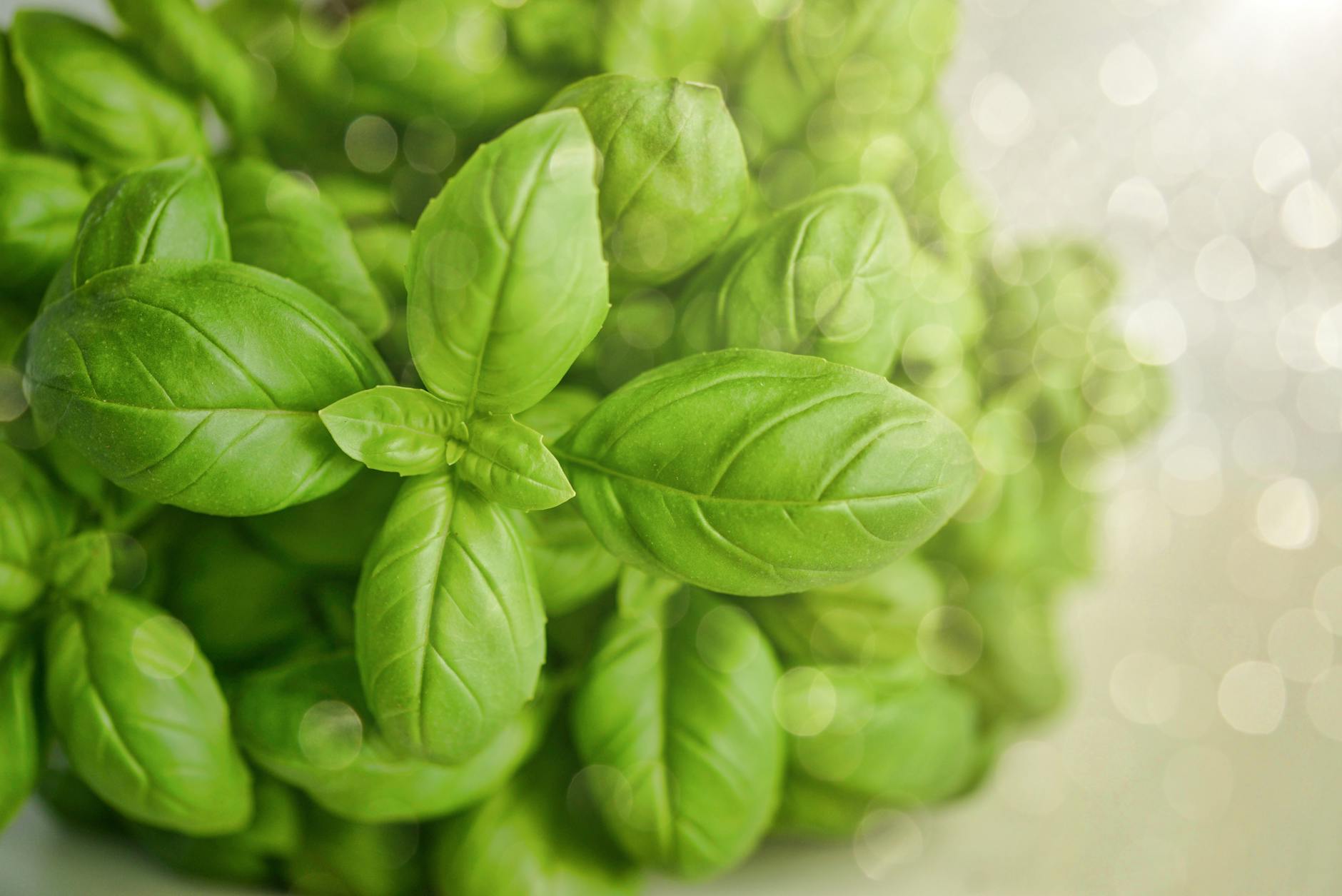
- Basil – Loves warmth and sunlight, making it perfect for kitchen windowsills. Basil is an essential herb for Italian cooking, and it grows quickly with regular trimming.
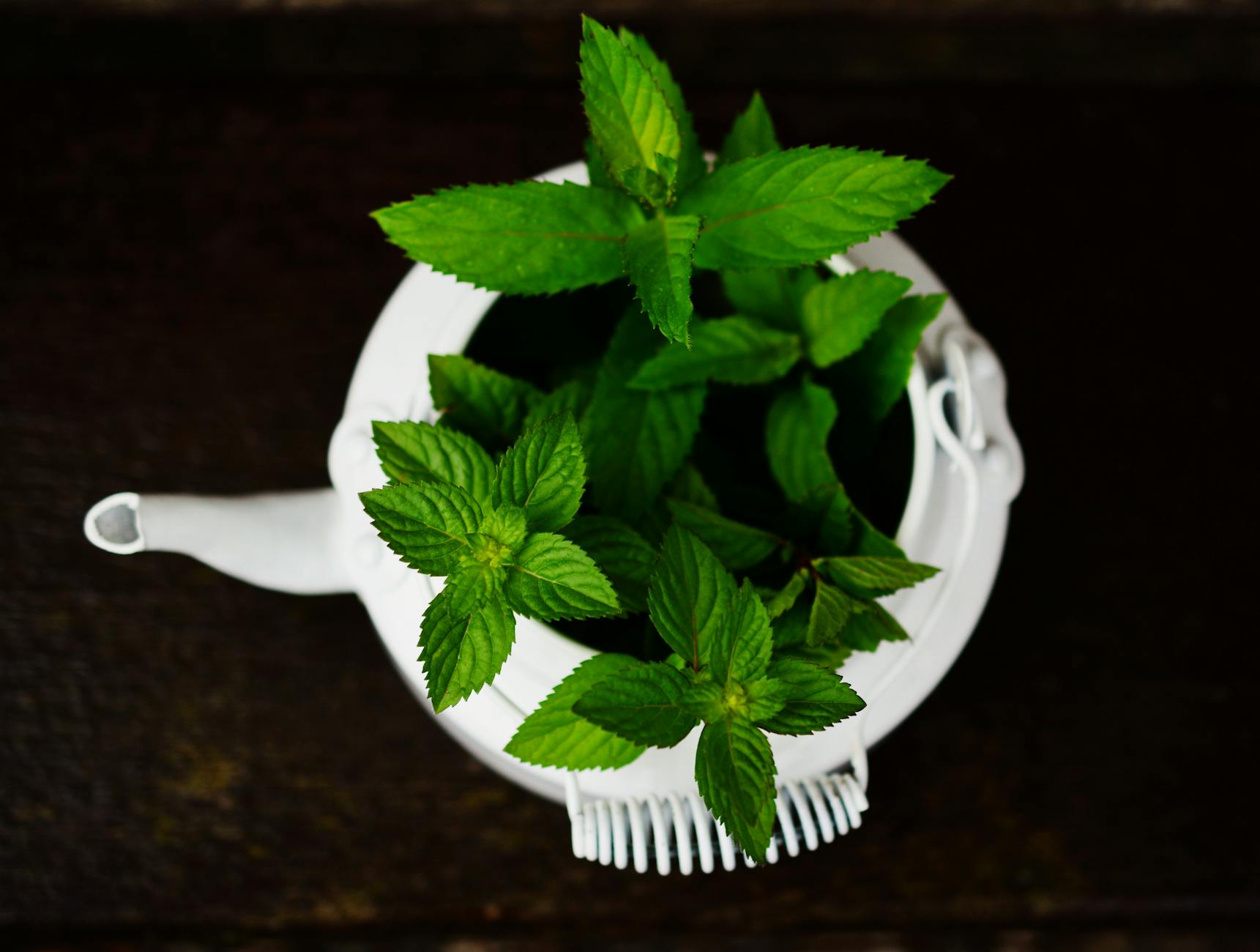
- Mint – A hardy herb that grows well in pots, but be cautious—it spreads aggressively and can take over a garden if not contained. It’s great for teas, cocktails, and fresh garnishes.
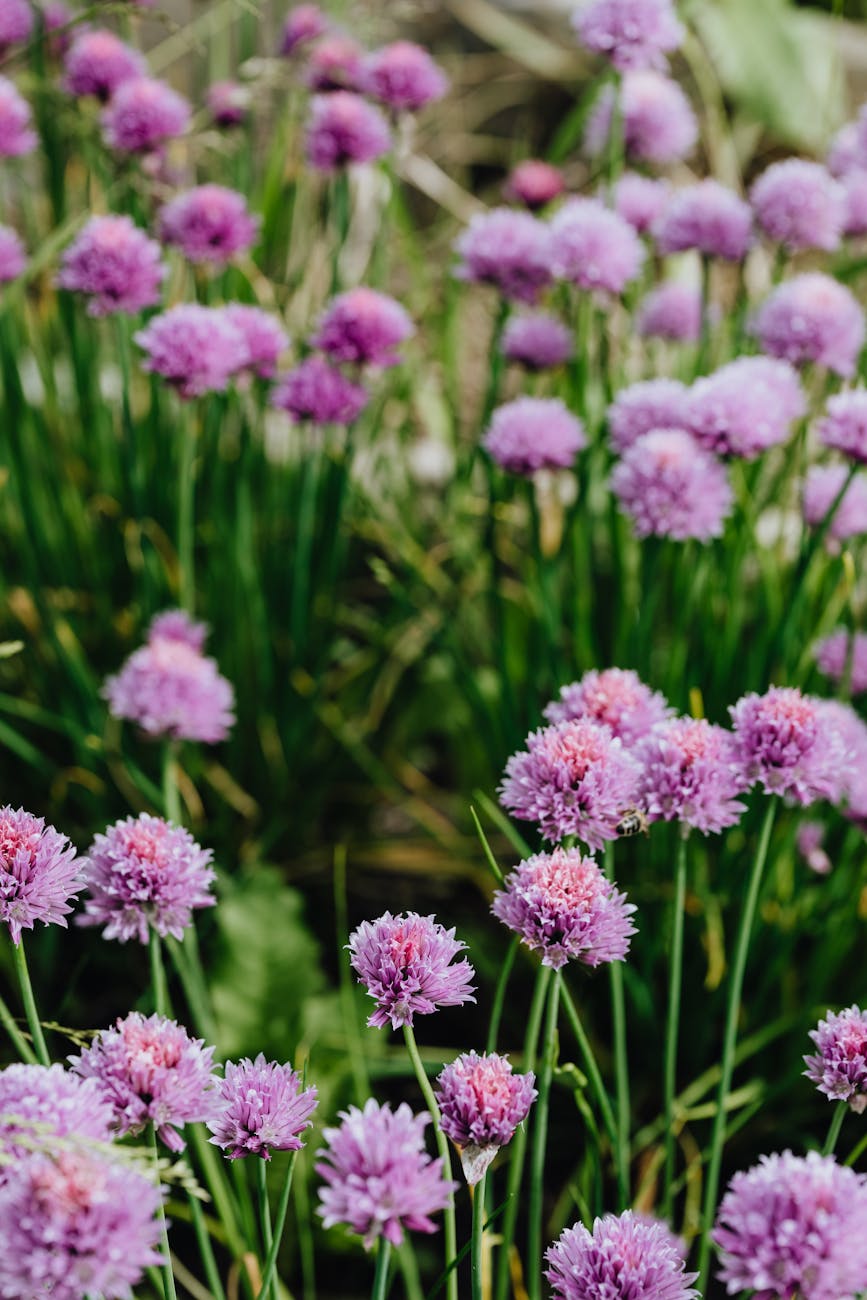
- Chives – This herb is incredibly easy to grow and adds a mild onion flavor to dishes. It thrives indoors and can be harvested continuously.
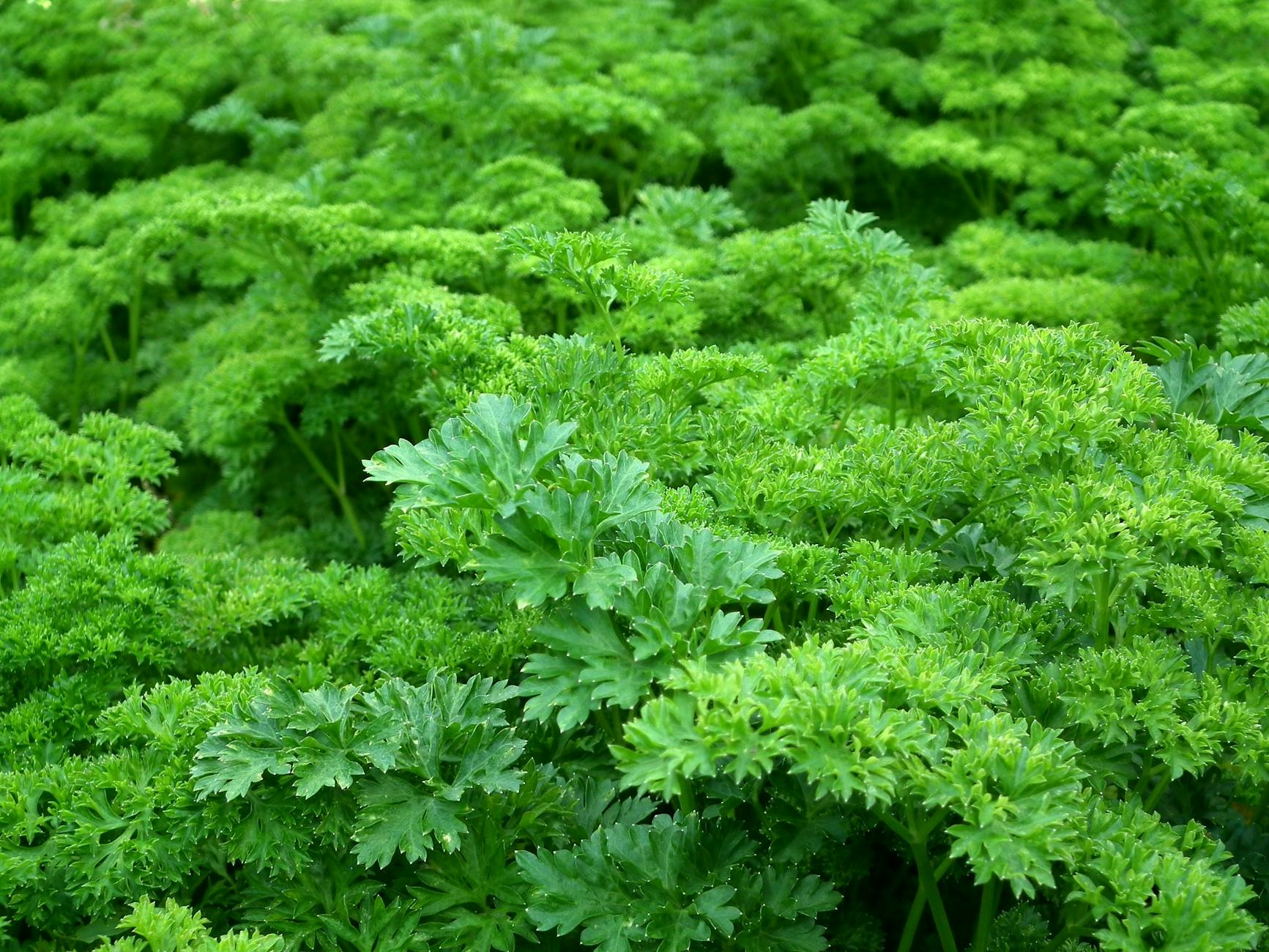
- Parsley – While slow to sprout initially, parsley is a versatile herb that grows well with proper care. It prefers slightly moist soil and regular harvesting encourages fuller growth.
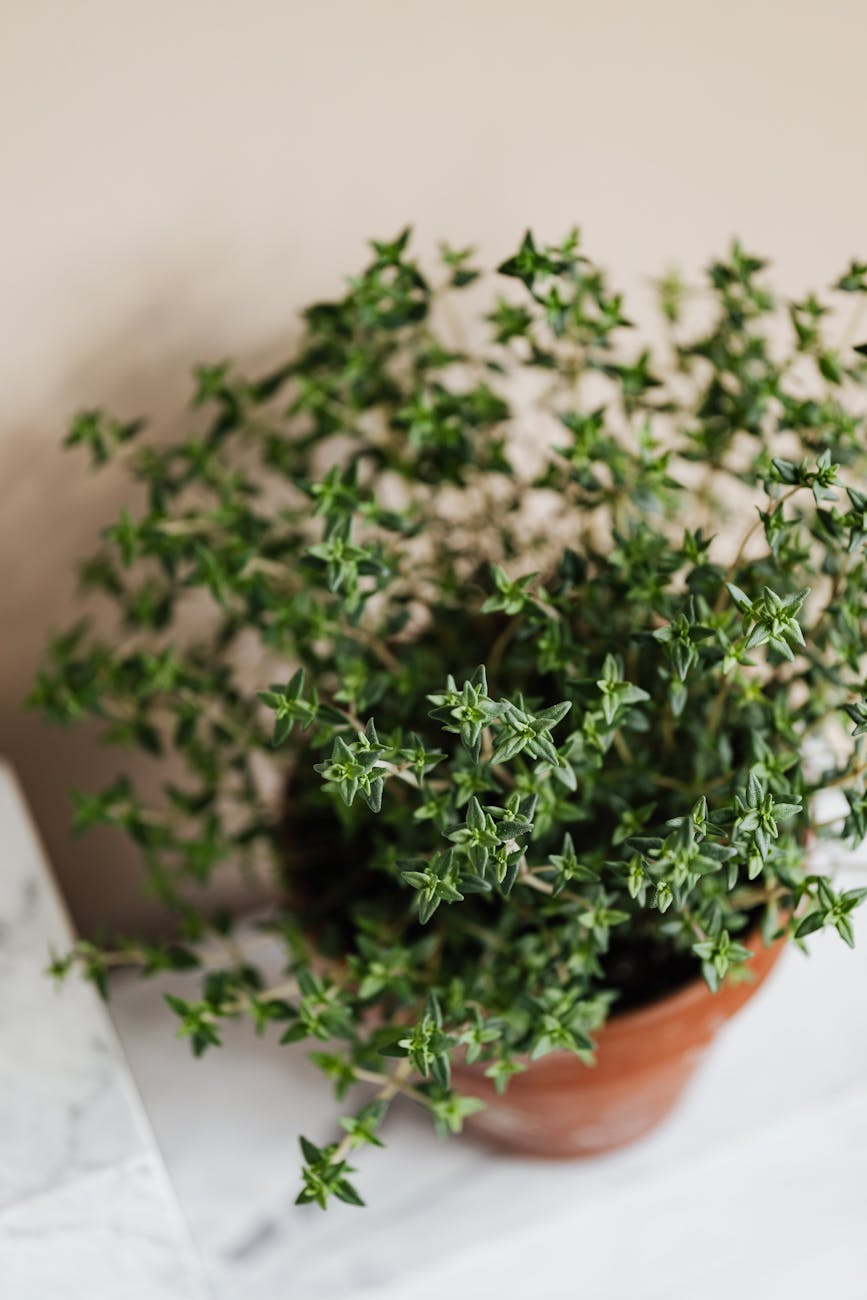
- Thyme – A low-maintenance herb that enjoys bright light and is perfect for seasoning meats, soups, and stews.
Best Herbs for Outdoor Growing:
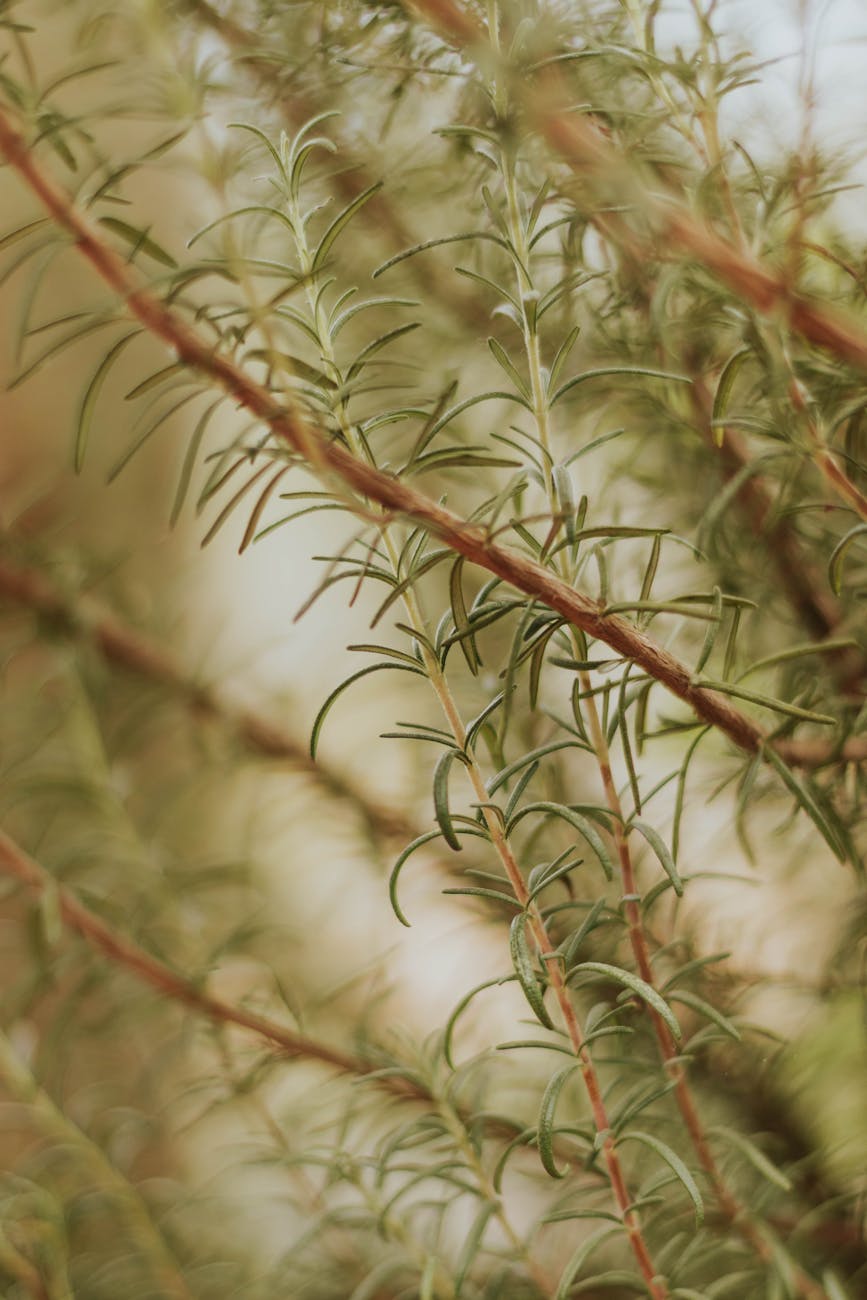
- Rosemary – Prefers full sun and well-drained soil. It is drought-resistant once established and adds a fragrant touch to gardens.
- Oregano – A great herb for ground cover, oregano thrives in garden beds or containers. It’s a staple in Mediterranean cuisine.
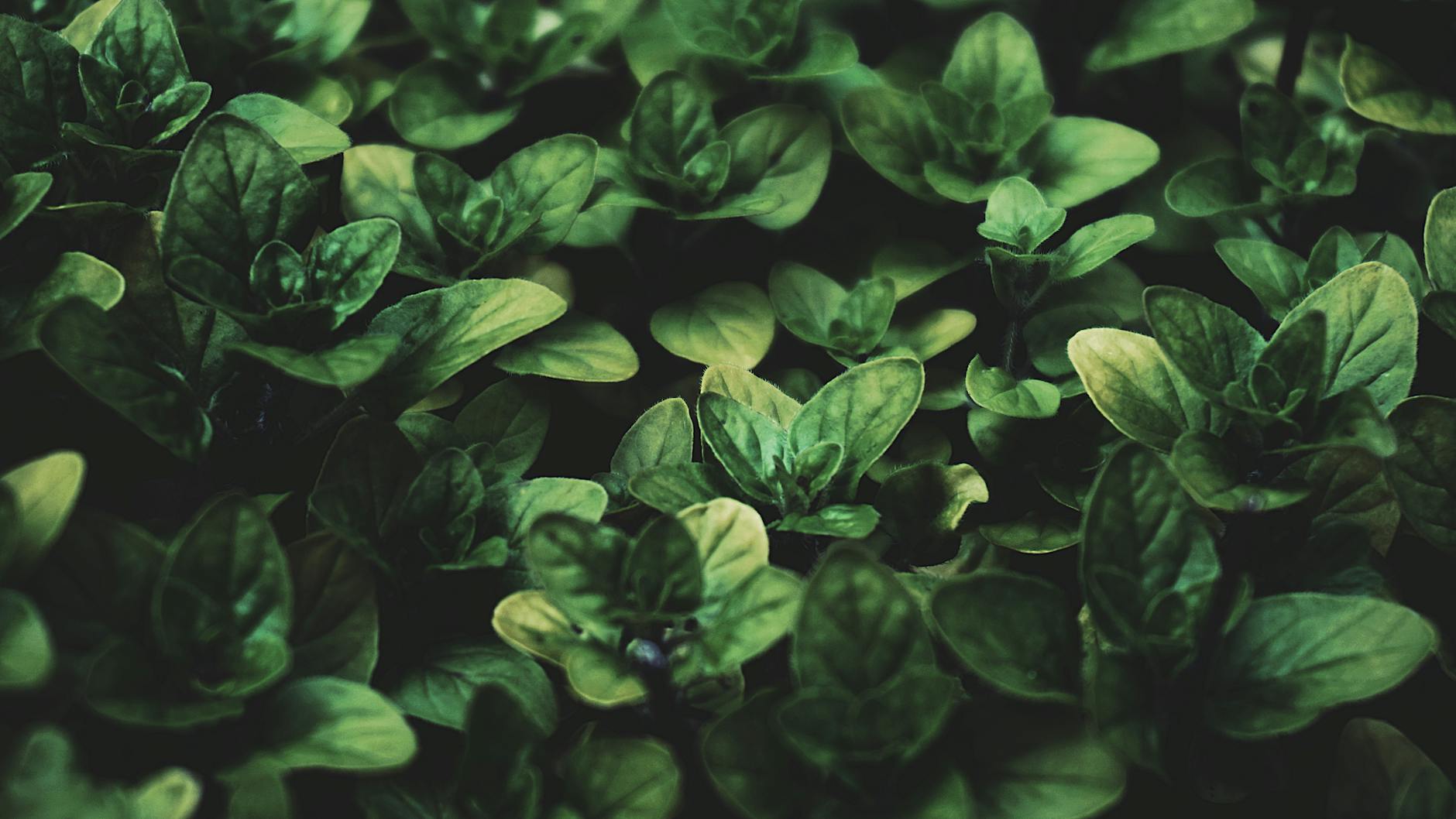
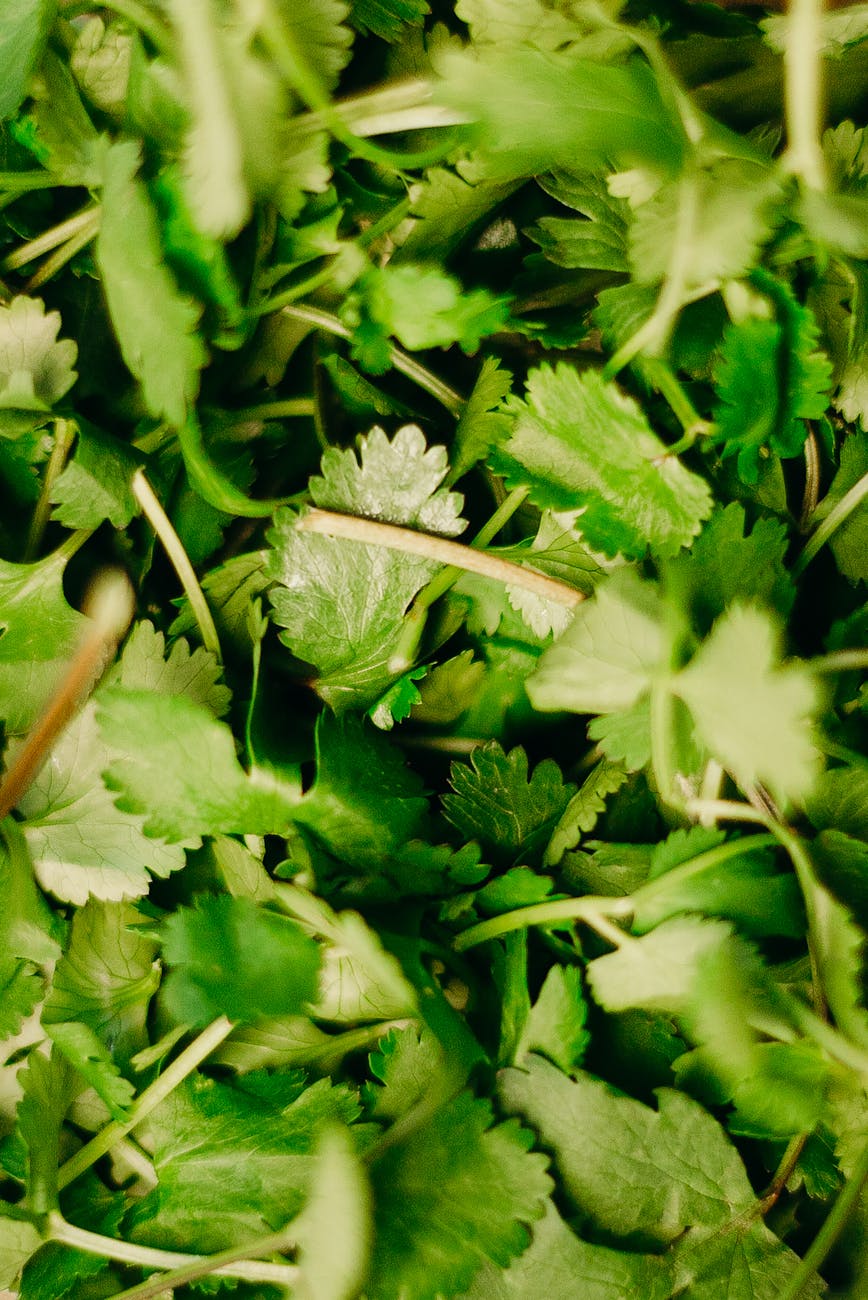
- Cilantro – Best grown in cooler temperatures; it bolts (goes to seed) quickly in hot weather. Plant successively for a continuous harvest.
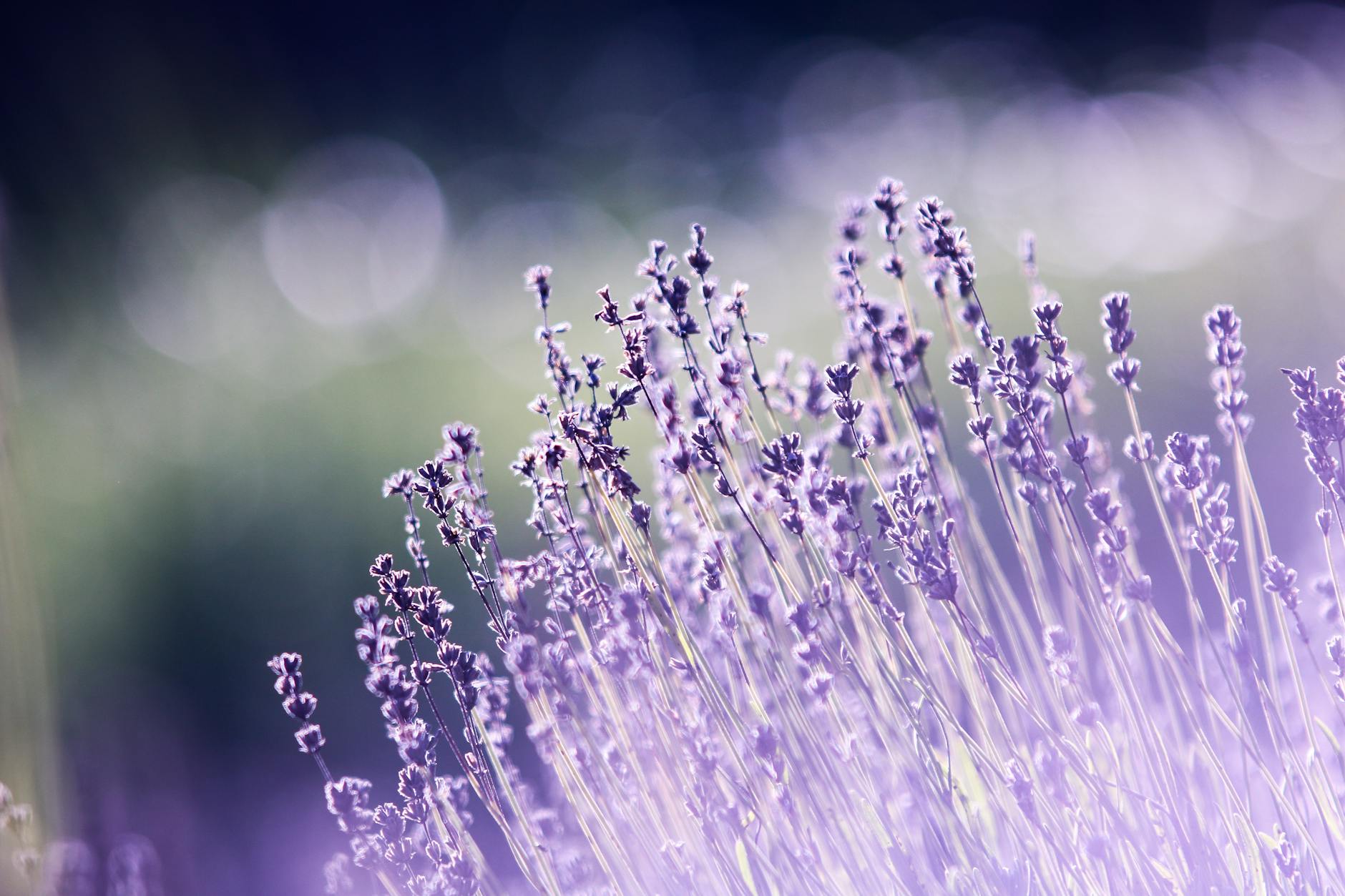
- Lavender – Not just for scent; lavender is also a fantastic culinary herb and an excellent pollinator attractor.
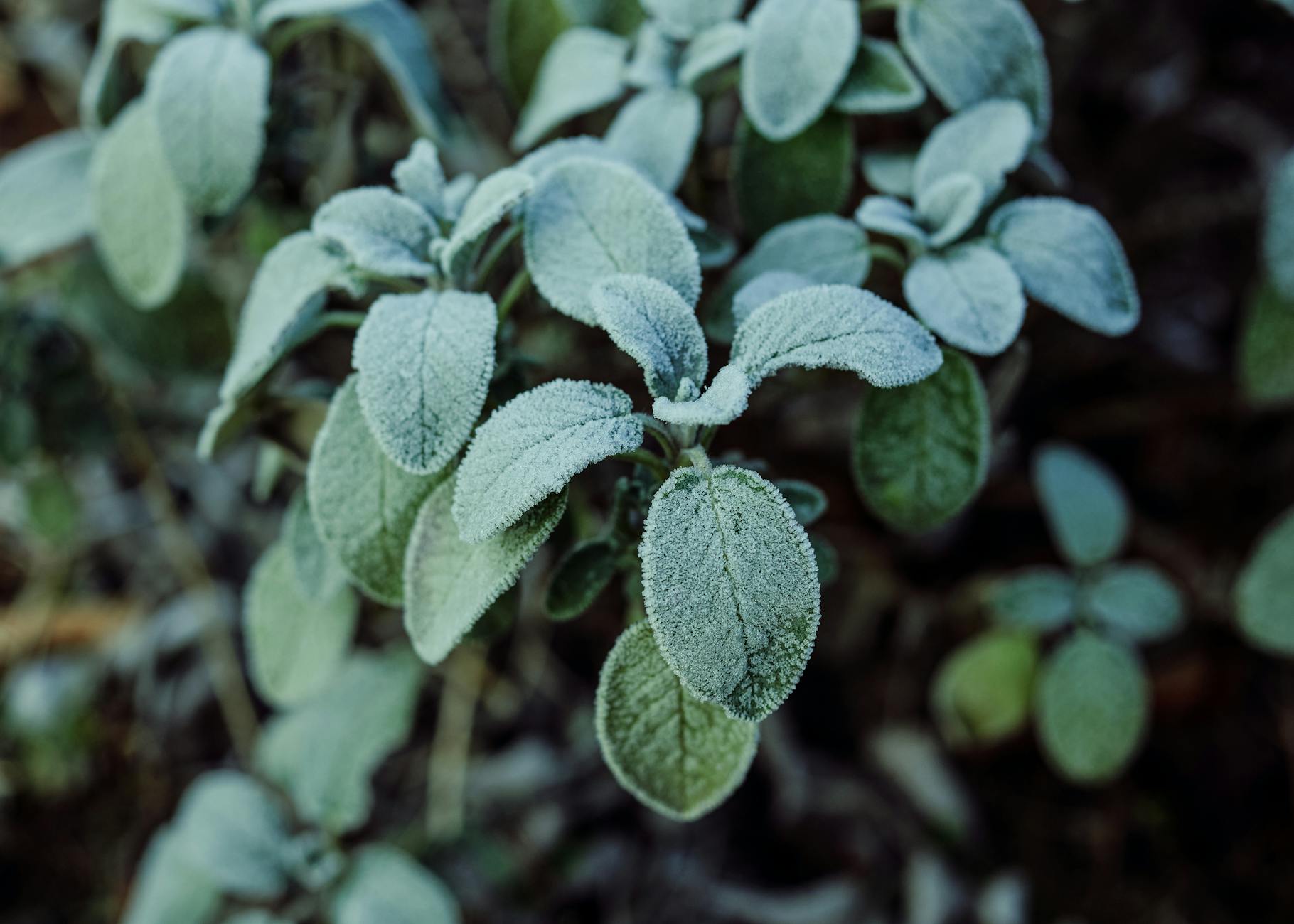
- Sage – This hardy herb loves warm weather and is perfect for seasoning meats and stuffing.
How to Grow Herbs Indoors
Growing herbs indoors is convenient and perfect for those with limited outdoor space. With the right care, you can have fresh herbs year-round.
1. Find the Right Location
Herbs need at least 6 hours of sunlight daily to thrive. A south-facing window is ideal because it provides the most consistent light. If your home doesn’t get enough natural sunlight, consider using grow lights to supplement. LED grow lights work well for indoor herbs and help maintain steady growth.
2. Choose the Right Containers
The type of container you use is crucial for healthy herbs. Use pots with drainage holes to prevent root rot. Clay or ceramic pots are best as they allow for proper airflow, but plastic pots work as long as they have drainage.
3. Use Quality Soil
Herbs thrive in well-draining potting mix. Avoid using garden soil indoors as it can be too dense and may retain too much moisture, leading to root rot. A light, organic potting mix with added perlite or sand ensures proper drainage.
4. Water Properly
Overwatering is a common mistake. Herbs prefer soil that is slightly moist but not soggy. Water only when the soil feels dry to the touch. Always water at the base of the plant to avoid fungal growth on the leaves.
5. Provide Proper Air Circulation
Indoor herbs need good airflow to prevent mold and disease. Avoid overcrowding pots and, if necessary, use a small fan to keep air moving around your plants.
6. Harvest Regularly
Frequent harvesting encourages new growth and prevents herbs from getting leggy. Trim leaves as needed, but never remove more than one-third of the plant at a time.
How to Grow Herbs Outdoors

If you have outdoor space, herbs can thrive in garden beds, raised beds, or containers. Outdoor herbs often grow larger and require minimal maintenance once established.
1. Pick the Right Spot
Most herbs love full sun (6-8 hours of direct sunlight). Choose a spot that gets ample sunlight, whether it’s a garden bed, balcony, or patio.
2. Prepare the Soil
Healthy soil is the foundation of a thriving herb garden. Use loamy, well-draining soil to avoid waterlogging. Adding compost improves soil fertility and ensures a steady supply of nutrients.
3. Plant at the Right Time
Spring is ideal for most herbs, but check individual planting guides. Cilantro and parsley do well in cooler temperatures, while basil and rosemary prefer warmth. If transplanting seedlings, wait until after the last frost.
4. Water and Mulch
Water herbs regularly but avoid overwatering, as most herbs prefer slightly dry conditions. Mulching around herbs helps retain moisture, suppress weeds, and regulate soil temperature.
5. Protect from Pests
Herbs are generally pest-resistant, but aphids, spider mites, and caterpillars can sometimes be a problem. Use natural solutions like neem oil or plant companion flowers like marigolds to deter pests. Hand-pick larger pests like caterpillars.
6. Harvest and Prune for Continued Growth
Regularly harvesting herbs encourages new growth. For perennial herbs like rosemary and thyme, pruning keeps plants compact and healthy.
Bonus Tips for a Thriving Herb Garden

- Rotate your herbs seasonally to ensure continuous growth and prevent soil depletion.
- Feed with organic fertilizer every few weeks to keep them healthy, but avoid over-fertilizing as it can reduce the flavor potency of herbs.
- Use herbs in cooking immediately for the best flavor and freshness. Dry excess herbs for later use.
- Label your herbs so you can easily identify them, especially when they are young.
- Companion planting can enhance herb growth. For example, basil grows well with tomatoes, and rosemary helps repel pests from other plants.
Growing herbs is simple, rewarding, and a great way to bring freshness into your home and kitchen. Whether you grow them indoors or outdoors, these tips will help you cultivate a lush and thriving herb garden this spring. Happy planting!
 Green Garden Journal
Leave a comment