

Living in a small space doesn’t mean you have to sacrifice your green thumb! Vertical gardening is the perfect solution for urban dwellers who want to grow their own herbs, flowers, or even vegetables without taking up valuable square footage. Whether you have a tiny balcony, a small patio, or just a sunny wall, these vertical gardening ideas will help you maximize your space and create a lush, green oasis.
Why Choose Vertical Gardening?
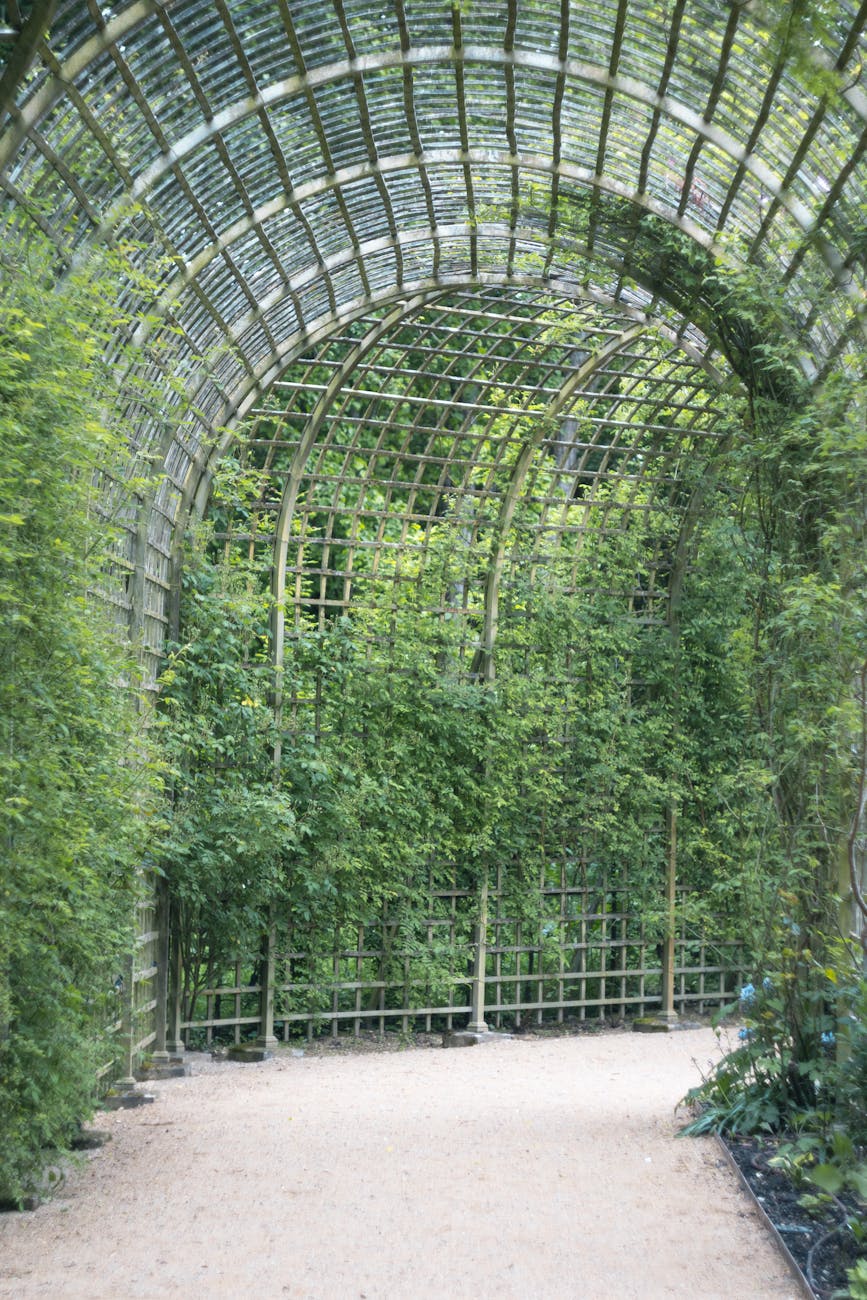
Vertical gardening is not only a space-saving solution but also brings numerous benefits:
- Maximizes Limited Space – Grow more plants without using up precious floor space.
- Enhances Aesthetics – Adds beauty to walls, fences, and railings, transforming dull areas into lush green spaces.
- Improves Air Quality – Helps filter pollutants and improve the air around your home.
- Encourages Sustainability – Provides fresh herbs, vegetables, and fruits right at your fingertips.
- Reduces Pest Issues – Keeping plants off the ground can minimize the risk of soil-borne pests and diseases.
- Increases Accessibility – Easier maintenance, watering, and harvesting, especially for people with mobility challenges.
- Boosts Mental Well-Being – Greenery has been shown to reduce stress, enhance mood, and increase overall well-being.
Best Vertical Gardening Ideas for Small Spaces
1. Wall Planters and Hanging Pots
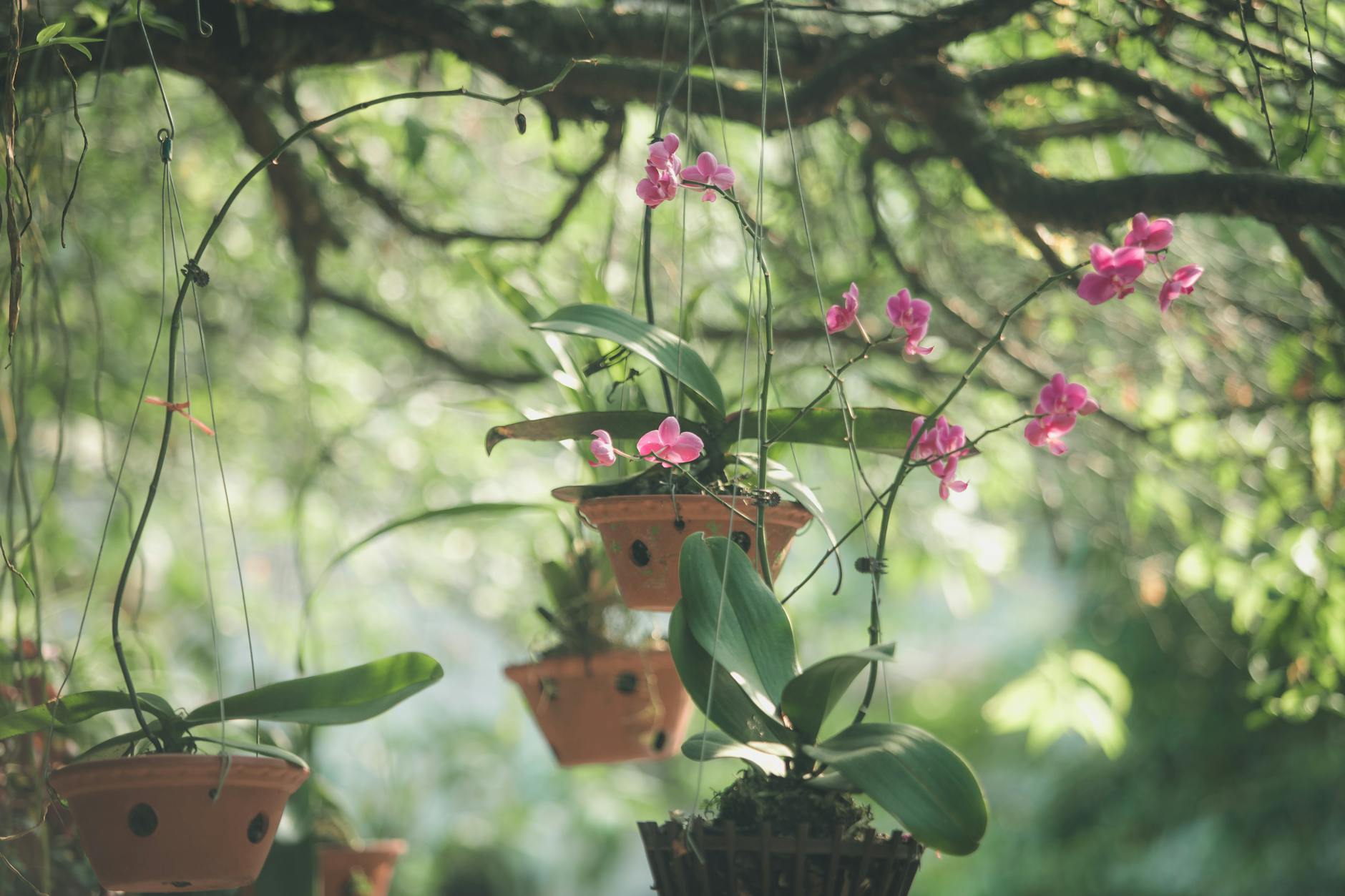
One of the simplest ways to start a vertical garden is by using wall-mounted planters or hanging pots. You can attach planters to walls, railings, or fences to create a living wall. Use materials like wooden pallets, wire grids, or even repurposed shoe organizers for a budget-friendly option.
For a more creative approach, consider using macrame hanging planters or repurposing old tin cans and mason jars. Grouping plants in different heights and sizes will add visual interest to your wall garden.
2. Vertical Herb Garden
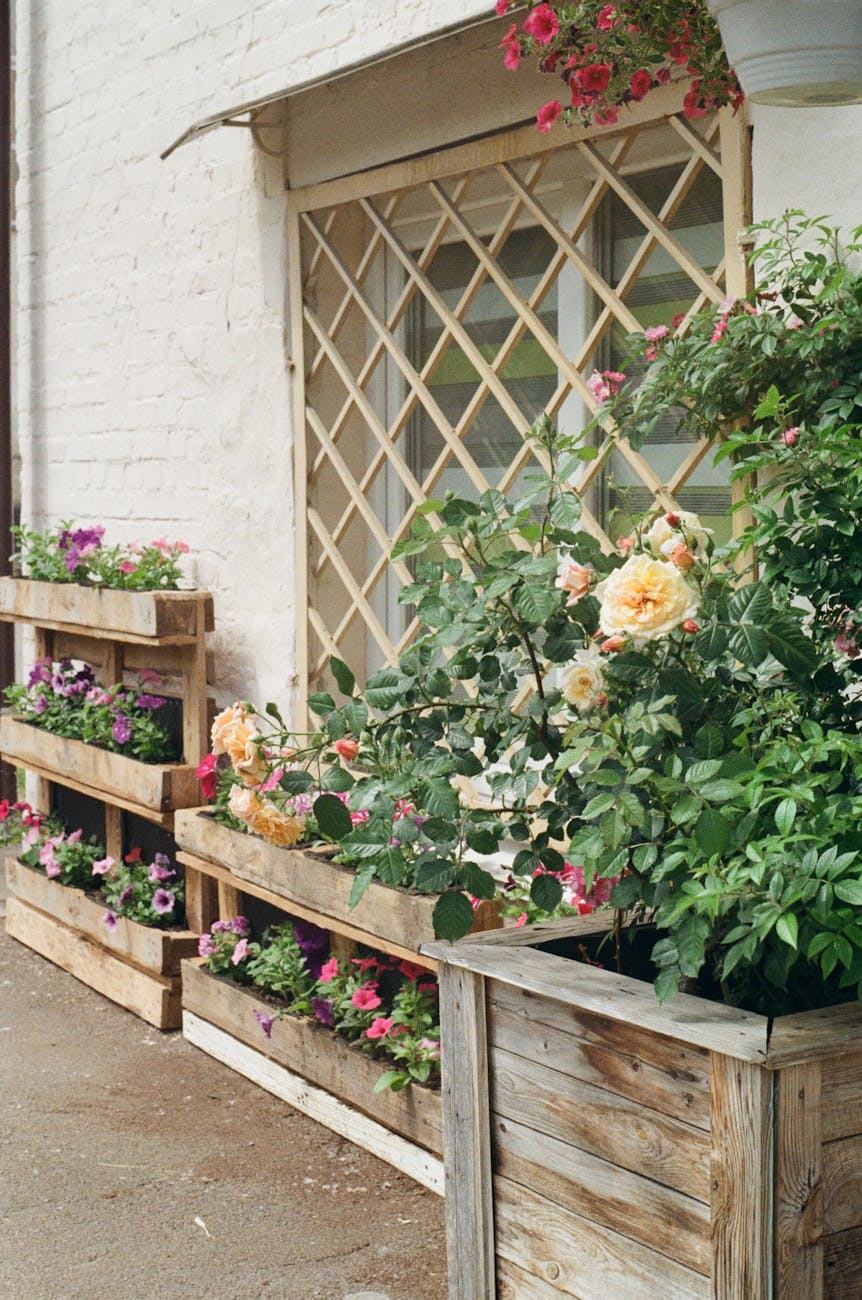
If you love cooking, a vertical herb garden is a must-have! Install a tiered planter or use a wooden trellis with small pots to grow herbs like basil, mint, parsley, and rosemary. Not only will this save space, but it also ensures you have fresh herbs on hand whenever you need them.
For an extra touch of convenience, label each pot with the herb name and add a drip irrigation system to keep the herbs hydrated with minimal effort.
3. DIY Trellis for Climbing Plants
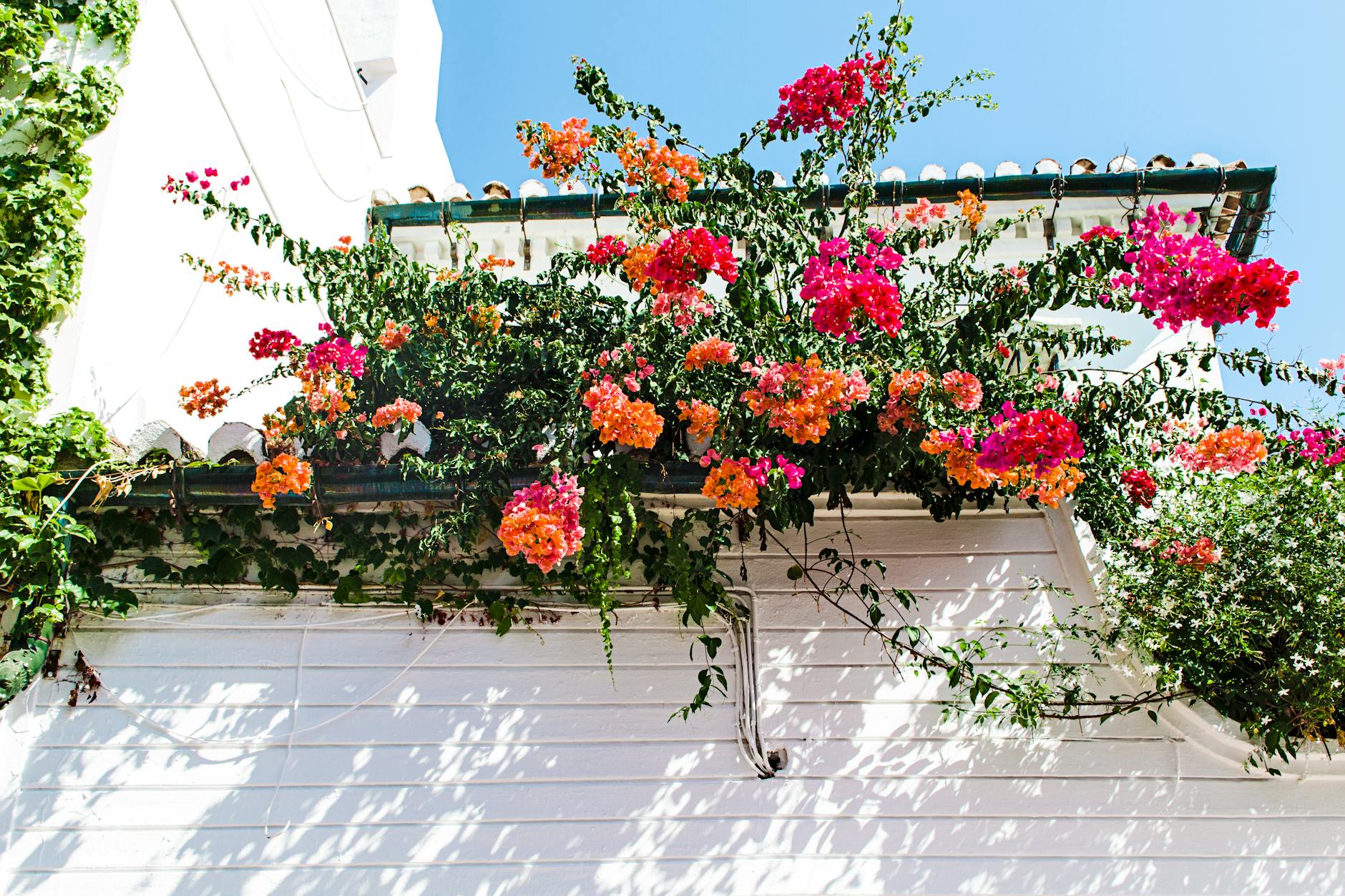
Climbing plants like tomatoes, cucumbers, and beans thrive in vertical gardens. A simple wooden or metal trellis provides support for these plants, allowing them to grow upwards instead of sprawling out. This method is perfect for balconies and small patios.
If you want to get creative, try training flowering vines like morning glories or jasmine to grow along trellises or fences for a beautiful and fragrant outdoor space.
4. Repurposed Ladder Garden
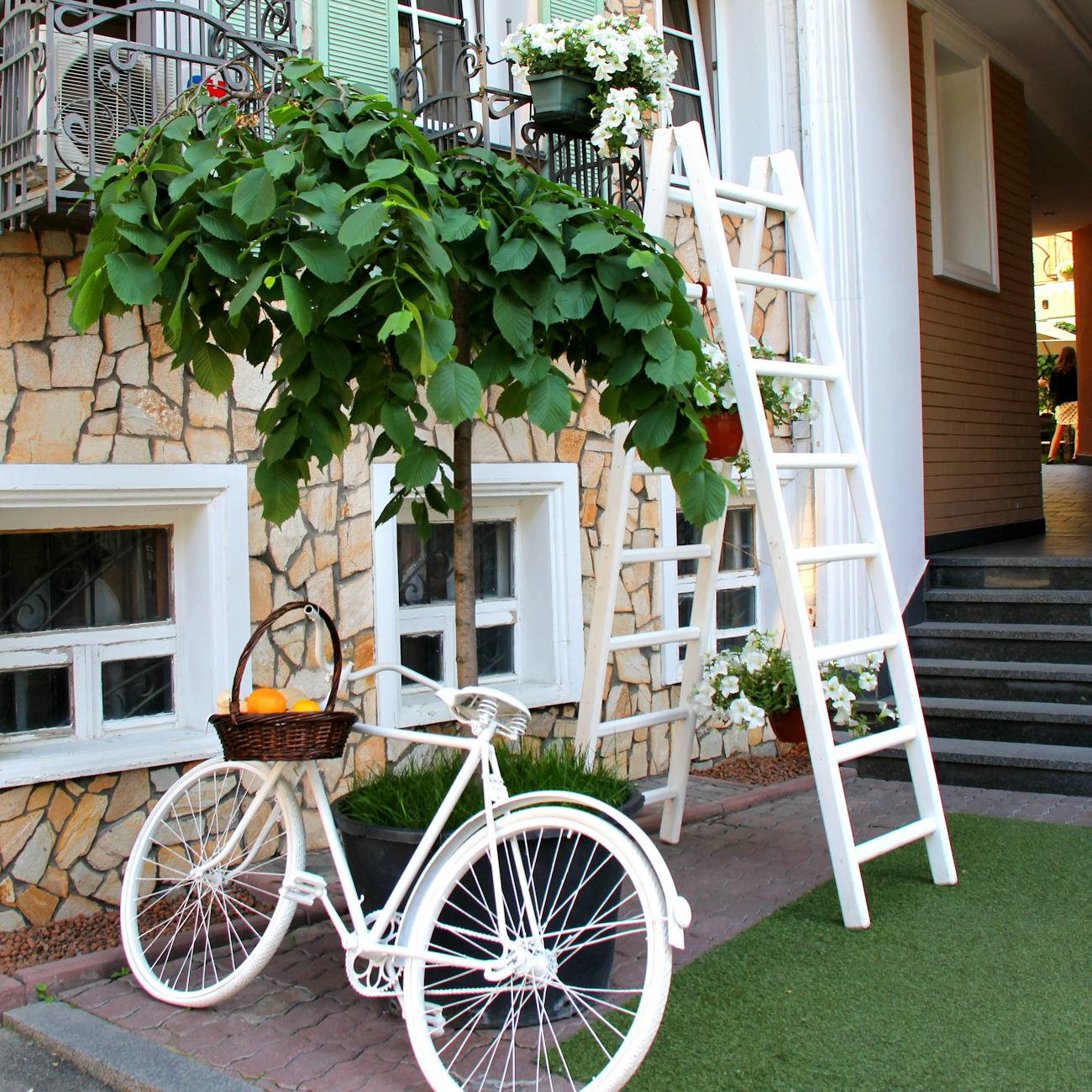
An old wooden ladder can be transformed into a stylish vertical garden by placing potted plants on each step. This is an easy DIY project that adds charm while optimizing space. You can grow succulents, flowers, or even small vegetables on the ladder shelves.
Paint or stain the ladder to match your outdoor decor and add hanging fairy lights for an enchanting evening ambiance.
5. Vertical Hydroponic System
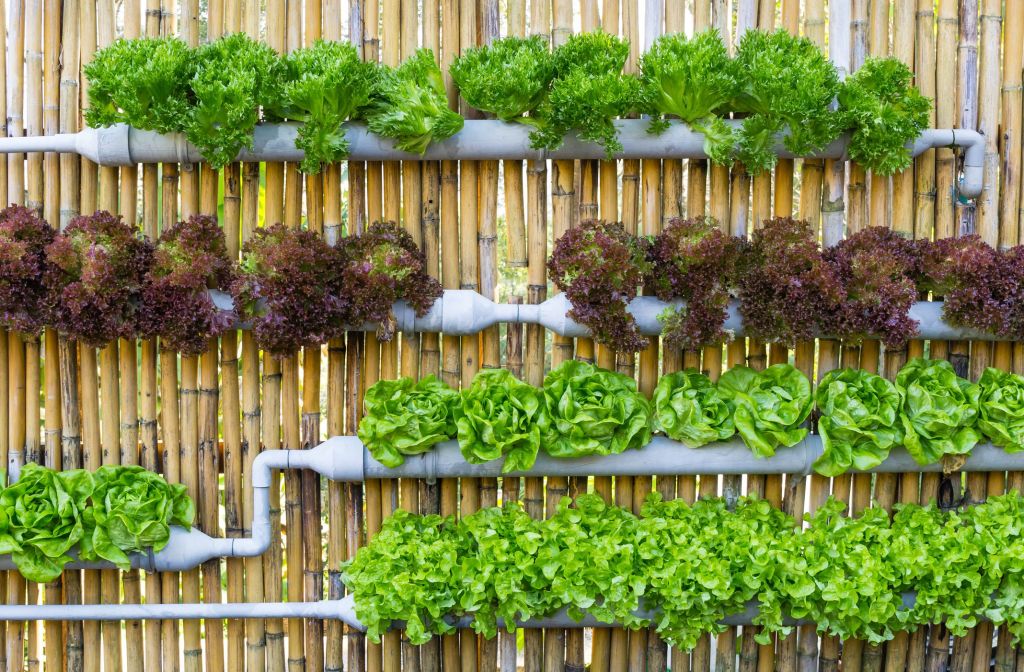
For those interested in modern gardening, a hydroponic vertical garden is a fantastic option. Hydroponic systems use water instead of soil, allowing plants to grow efficiently in a compact space. This method works great for leafy greens like lettuce, spinach, and kale.
To make hydroponics even more space-efficient, consider stacking the systems vertically, using shelves or modular units to grow multiple plant varieties at once.
6. Hanging Gutter Garden
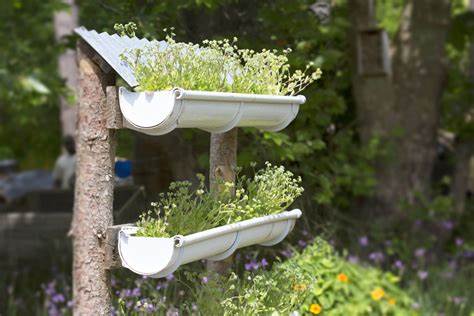
Repurpose old rain gutters into a vertical garden by mounting them on a wall or fence. This setup is perfect for growing shallow-rooted plants like strawberries, lettuce, and herbs. Make sure to drill drainage holes to prevent water buildup.
For a decorative touch, paint the gutters in bright colors or arrange them in a staggered pattern for a unique design element.
7. Pocket Planters and Fabric Wall Gardens

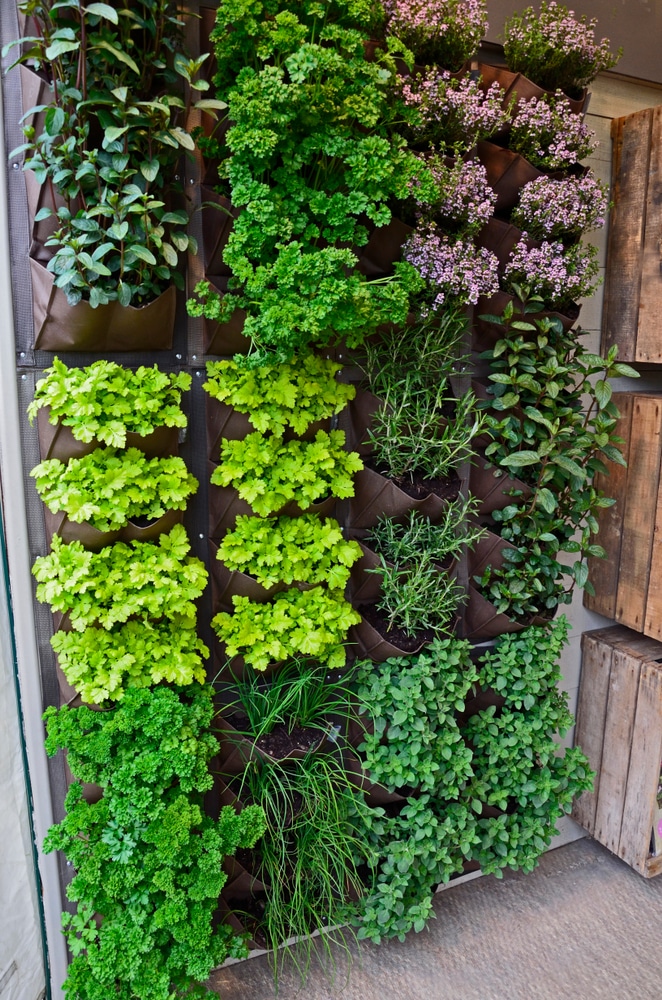
Fabric pocket planters are a trendy way to grow plants vertically. These breathable planters can be hung on walls or fences and are perfect for growing flowers, herbs, and small vegetables. They also help retain moisture, reducing the need for frequent watering.
To keep your pocket planters looking fresh and vibrant, rotate seasonal plants and mix different textures and colors for an eye-catching display.
Additional Creative Vertical Gardening Ideas
- Upcycled Wooden Crates – Stack wooden crates to create a multi-tiered planter for small veggies and flowers.
- Hanging Shoe Organizers – Use fabric shoe organizers with pockets to grow small plants on walls or fences.
- Tower Gardens – Stackable planters allow you to grow multiple layers of plants without taking up extra ground space.
- Mason Jar Gardens – Attach mason jars to a wooden board to create a unique indoor herb garden.
Tips for a Successful Vertical Garden
- Choose the Right Plants – Opt for plants that thrive in vertical conditions, such as ferns, succulents, climbing plants, and herbs.
- Ensure Proper Drainage – Overwatering can be an issue in vertical gardens, so make sure your planters have drainage holes.
- Use Quality Soil – Lightweight, nutrient-rich potting mix is essential for container gardening.
- Provide Adequate Sunlight – Position your vertical garden where plants can receive the right amount of light for healthy growth.
- Water Consistently – Since vertical gardens dry out faster, consider using a drip irrigation system or self-watering planters.
- Secure Planters Properly – Make sure wall-mounted planters and hanging pots are securely fastened to prevent accidents.
- Rotate and Prune Regularly – Trim plants to maintain shape and encourage new growth while rotating them for even sunlight exposure.
Final Thoughts
Vertical gardening is an innovative and practical way to bring nature into urban living spaces. Whether you’re growing fresh herbs for cooking, beautifying a wall with flowers, or cultivating vegetables in a small area, there’s a vertical gardening solution for you. With a little creativity and planning, you can turn any tiny space into a flourishing green sanctuary.
Additionally, vertical gardens can be integrated into indoor spaces, making them a fantastic option for apartment dwellers who may not have outdoor access. Living walls, hanging shelves, and hydroponic gardens can bring nature indoors while purifying the air and adding a calming element to your home decor.
Start your vertical garden today and enjoy the benefits of growing upwards! Whether you’re an experienced gardener or a beginner, these space-saving techniques can help you cultivate your own slice of greenery, no matter how small your space may be.
 Green Garden Journal
Leave a comment