

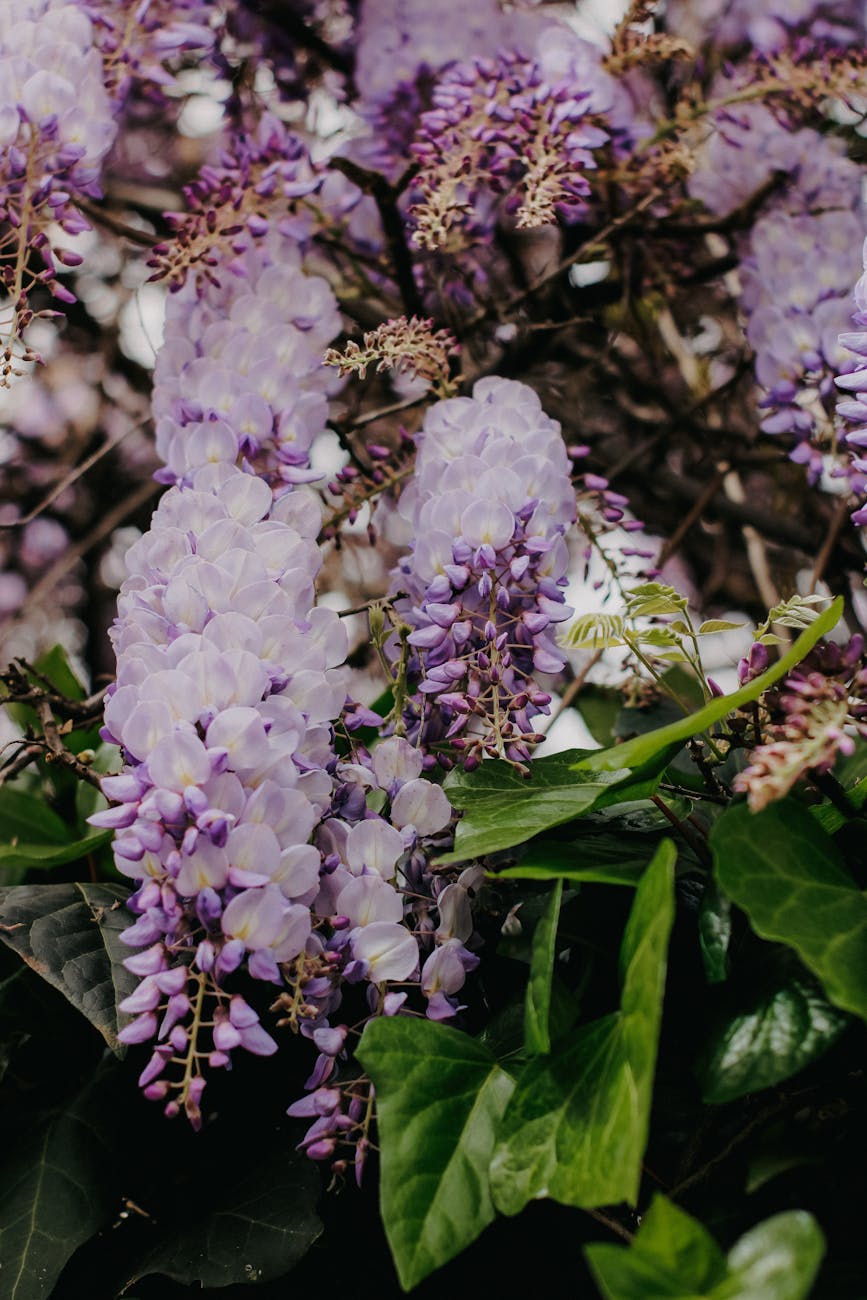
Wisteria is truly a stunning addition to any green space, draping gardens with its breathtaking clusters of blossoms. Yet, with all its beauty, wisteria can quickly become unruly without proper pruning. So, when is the best time to wield those pruning shears? Let’s delve deeper to uncover the secrets of wisteria pruning.
The Growth Cycle of Wisteria
Before we delve into the art of pruning, let’s unravel the growth cycle of wisteria. This botanical marvel is characterized by its vigorous climbing nature, producing long, twisting stems known as “leaders.” These leaders extend outward, seeking support as they weave their way through arbours, trellises, and pergolas.
Wisteria has a unique flowering pattern, blooming on both old and new wood. This means that it can produce flowers on the growth from the previous year as well as the current season’s growth. Understanding this growth cycle is key to mastering the art of pruning.
Timing Is Everything
So when to cut back Wisteria?
When it comes to pruning wisteria, timing is paramount. Here’s a breakdown of the best times to prune:
Winter Pruning: As the chill of winter envelops the garden, it’s time to don your gardening gloves and tackle wisteria pruning. Late winter, when the plant is dormant, is the ideal time for heavy pruning. Begin by assessing the structure of the vine, removing any dead or damaged wood with clean, sharp pruning shears. Next, trim back the long, wayward shoots to maintain the desired shape and size of the plant. Aim to leave two to three buds on each side shoot to encourage the formation of flowering spurs.
Summer Pruning: Once the wisteria has graced your garden with its stunning display of blooms in late spring or early summer, it’s time for a lighter touch. Summer pruning focuses on maintaining the plant’s shape and controlling excessive growth. Trim back any straggly shoots that have emerged since the last pruning session, keeping the vine tidy and promoting better airflow. Be sure to remove any spent flower clusters to encourage the formation of new buds for the following year.

Ongoing Maintenance
Pruning is just one aspect of wisteria care. Here are a few additional tips to keep your vine thriving:
- Training and Support: Train the main stems of your wisteria to grow along a support structure, such as a trellis or pergola. This not only enhances the plant’s appearance but also prevents it from becoming tangled and unkempt.
- Pest and Disease Management: Regularly inspect your wisteria for signs of pests or diseases, such as aphids or powdery mildew. Promptly remove any affected foliage and consider using organic pest control methods to keep your vine healthy.
- Fertilization: Wisteria is a relatively low-maintenance plant, but it benefits from a balanced fertilizer application in early spring. Choose a fertilizer formulated for flowering vines and apply it according to the manufacturer’s instructions to promote robust growth and abundant blooms.
- Patience and Persistence: Wisteria is not known for its instant gratification. It often takes several years for the vine to become established and produce prolific blooms. Be patient, stay consistent with your pruning and care routine, and you’ll be rewarded with a breathtaking display of blossoms in due time.
In Conclusion
Pruning wisteria may seem like a daunting task but armed with the knowledge of its growth cycle and the right timing, you can keep your vine looking its best year after year.
So, embrace the rhythm of the seasons, hone your pruning skills, and prepare to be captivated by the timeless beauty of wisteria in your garden. Happy pruning!
 Green Garden Journal
Leave a comment